

What Is Privacy-First Authentication and Why Indian Platforms Can No Longer Ignore It
Self-sovereign identity is not an abstract vision of a privacy-preserving future. It is a technically mature, standards-compliant, and increasingly operationally deployable framework for enterprise identity that is directly aligned with where Indian regulation, user expectations, and global security…
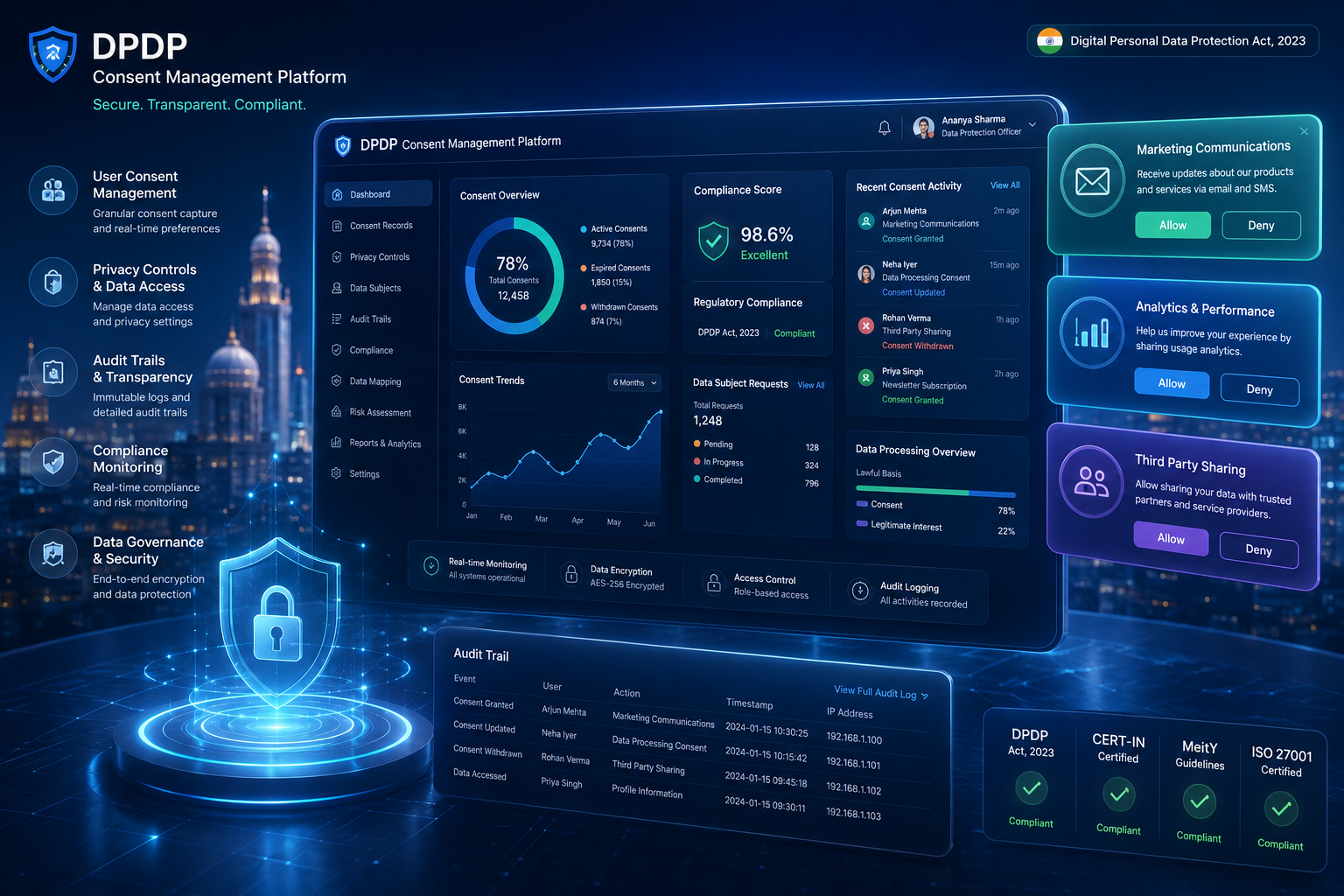
How SecureCMS Reduces DPDP Compliance Risk for Content-Heavy and Data-Driven Web Platforms
The DPDP Act has made consent management a first-order operational and legal priority for every data-driven web platform in India. Content-heavy platforms, with their multiple data touchpoints, third-party integrations, and large user bases, face the most complex compliance…

How to Build a Quantum-Ready Key Management Architecture for Your Enterprise
The quantum era is approaching faster than most enterprise security roadmaps have accounted for. The cryptographic foundations that protect your data, communications, identities, and operations today were not designed to withstand quantum computing. Rebuilding those foundations requires planning,…

Smart Contract Security Challenges in Cross-Chain Protocols
Cross-chain protocols represent some of the most complex smart contract security challenges in Web3. The combination of multi-chain codebases, off-chain trust dependencies, and concentrated liquidity creates an attack surface that demands more rigorous security practices, not less.

Why Real-Time Monitoring Is the Future of Smart Contract Security
Smart contract security cannot be reduced to a single audit before deployment. The on-chain environment is dynamic, adversarial, and transparent to all parties. Sustainable security requires building a strong foundation through rigorous pre-deployment analysis and maintaining active vigilance…

The 7 Must-Have Features of a DPDP-Ready Consent Management Platform in India
India’s data privacy landscape changed permanently when the Digital Personal Data Protection Act was signed into law in 2023. For millions of businesses collecting personal data from Indian users, the clock is ticking. The DPDP Act does not…
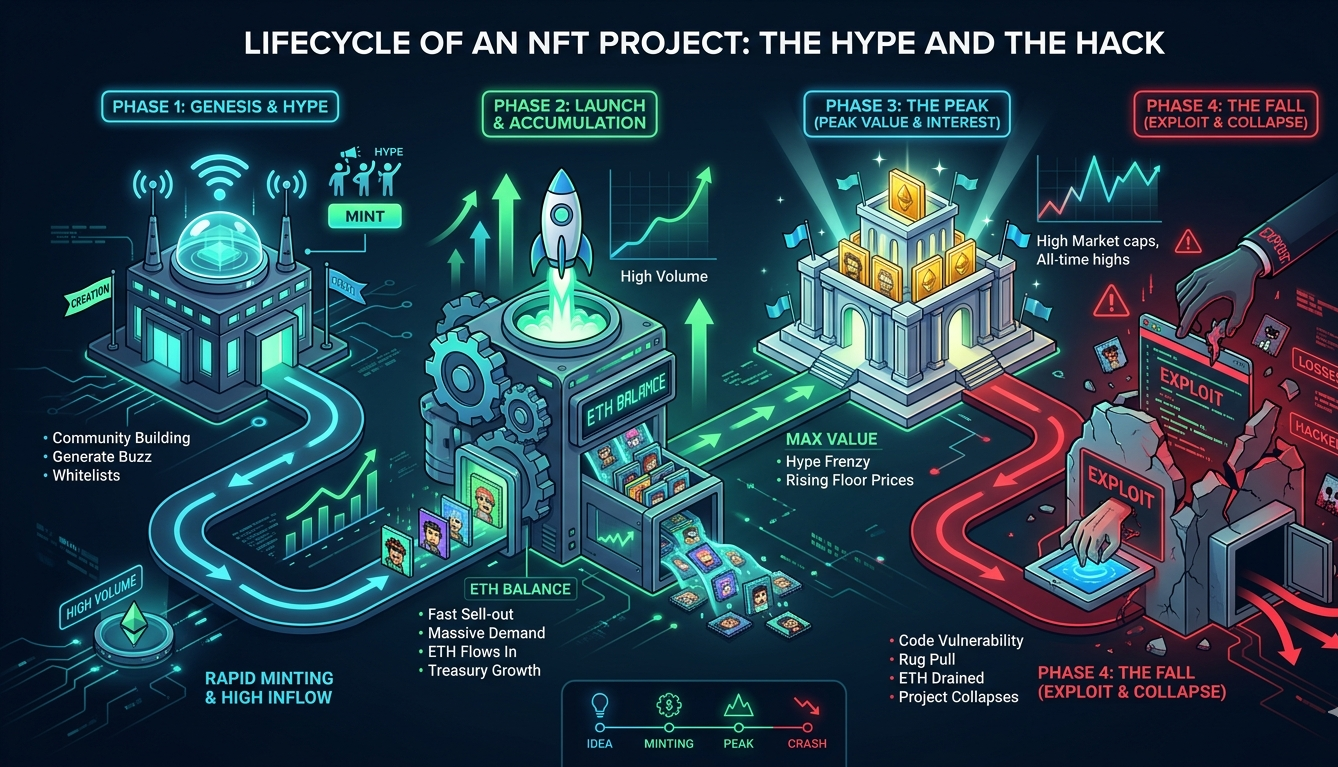
Smart Contract Security for NFT Projects: What You Must Know
NFT projects live and die by community trust. Smart contract security is one of the most direct investments in that trust that any team can make. A contract that behaves exactly as promised, that cannot be exploited, and…
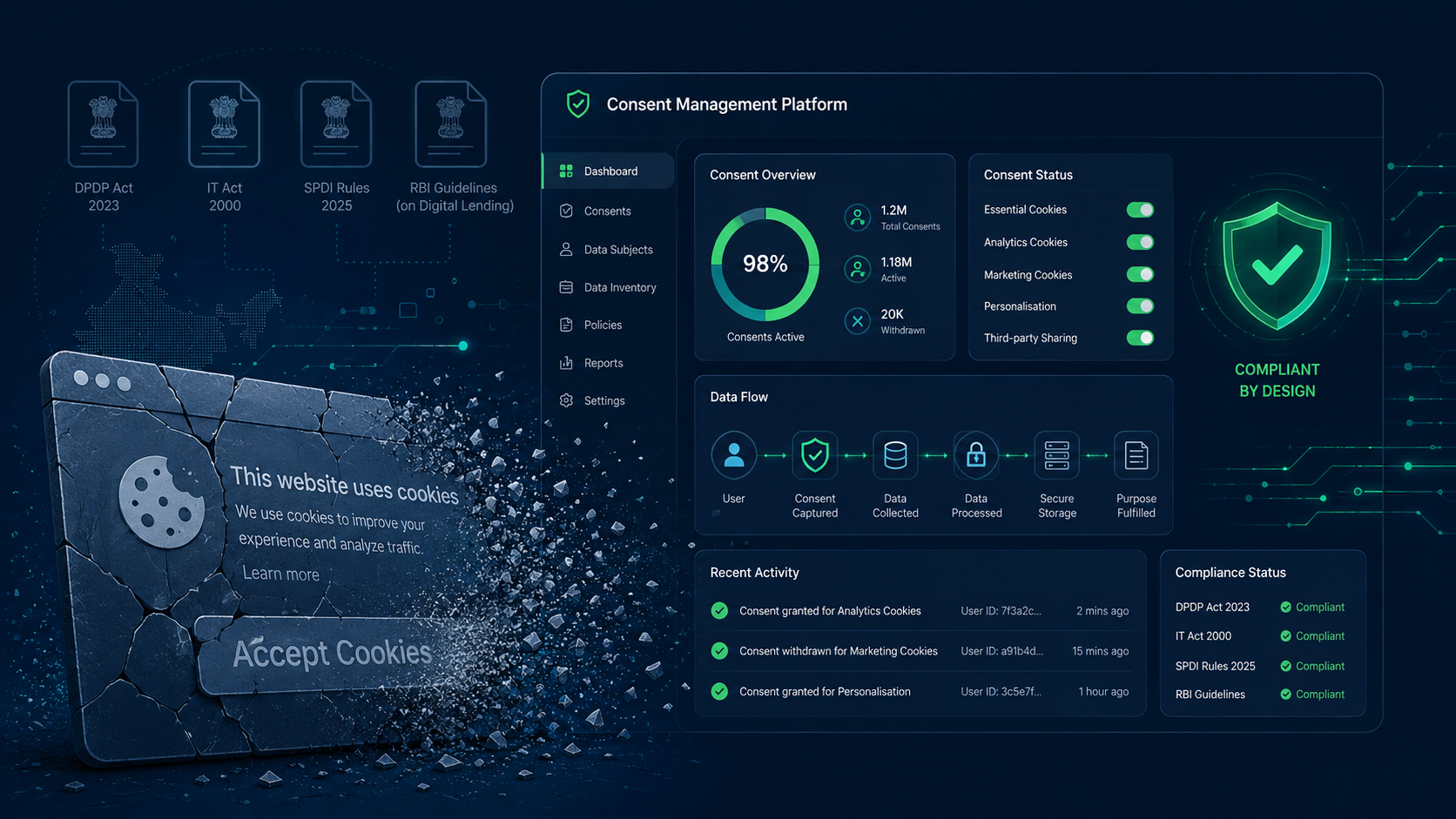
Why Cookie Consent Banners Are No Longer Enough Under India’s DPDP Rules 2026
The era of the cookie consent banner as a compliance strategy is over. India's Digital Personal Data Protection Act 2023 and the 2025 rules implementing it have drawn a clear line between superficial notice-and-click mechanisms and genuine, operationally…

HSM Key Management for Indian BFSI: Meeting RBI, SEBI, and PCI DSS Requirements Together
India's BFSI sector stands at a genuinely consequential juncture. Regulatory expectations around cryptographic governance are rising.

What Is Privacy-First Authentication and Why Indian Platforms…
Self-sovereign identity is not an abstract vision of a privacy-preserving future. It is a technically mature, standards-compliant, and increasingly operationally deployable framework for enterprise identity that is directly aligned with where Indian regulation, user expectations, and global security standards are…

How SecureCMS Reduces DPDP Compliance Risk for Content-Heavy…
The DPDP Act has made consent management a first-order operational and legal priority for every data-driven web platform in India. Content-heavy platforms, with their multiple data touchpoints, third-party integrations, and large user bases, face the most complex compliance surface area…

How to Build a Quantum-Ready Key Management Architecture…
The quantum era is approaching faster than most enterprise security roadmaps have accounted for. The cryptographic foundations that protect your data, communications, identities, and operations today were not designed to withstand quantum computing. Rebuilding those foundations requires planning, architecture, and…

Smart Contract Security Challenges in Cross-Chain Protocols
Cross-chain protocols represent some of the most complex smart contract security challenges in Web3. The combination of multi-chain codebases, off-chain trust dependencies, and concentrated liquidity creates an attack surface that demands more rigorous security practices, not less.

Why Real-Time Monitoring Is the Future of Smart…
Smart contract security cannot be reduced to a single audit before deployment. The on-chain environment is dynamic, adversarial, and transparent to all parties. Sustainable security requires building a strong foundation through rigorous pre-deployment analysis and maintaining active vigilance after launch.

The 7 Must-Have Features of a DPDP-Ready Consent…
India’s data privacy landscape changed permanently when the Digital Personal Data Protection Act was signed into law in 2023. For millions of businesses collecting personal data from Indian users, the clock is ticking. The DPDP Act does not merely suggest…

Smart Contract Security for NFT Projects: What You…
NFT projects live and die by community trust. Smart contract security is one of the most direct investments in that trust that any team can make. A contract that behaves exactly as promised, that cannot be exploited, and that protects…
Why Cookie Consent Banners Are No Longer Enough…
The era of the cookie consent banner as a compliance strategy is over. India's Digital Personal Data Protection Act 2023 and the 2025 rules implementing it have drawn a clear line between superficial notice-and-click mechanisms and genuine, operationally grounded consent…

HSM Key Management for Indian BFSI: Meeting RBI,…
India's BFSI sector stands at a genuinely consequential juncture. Regulatory expectations around cryptographic governance are rising.