
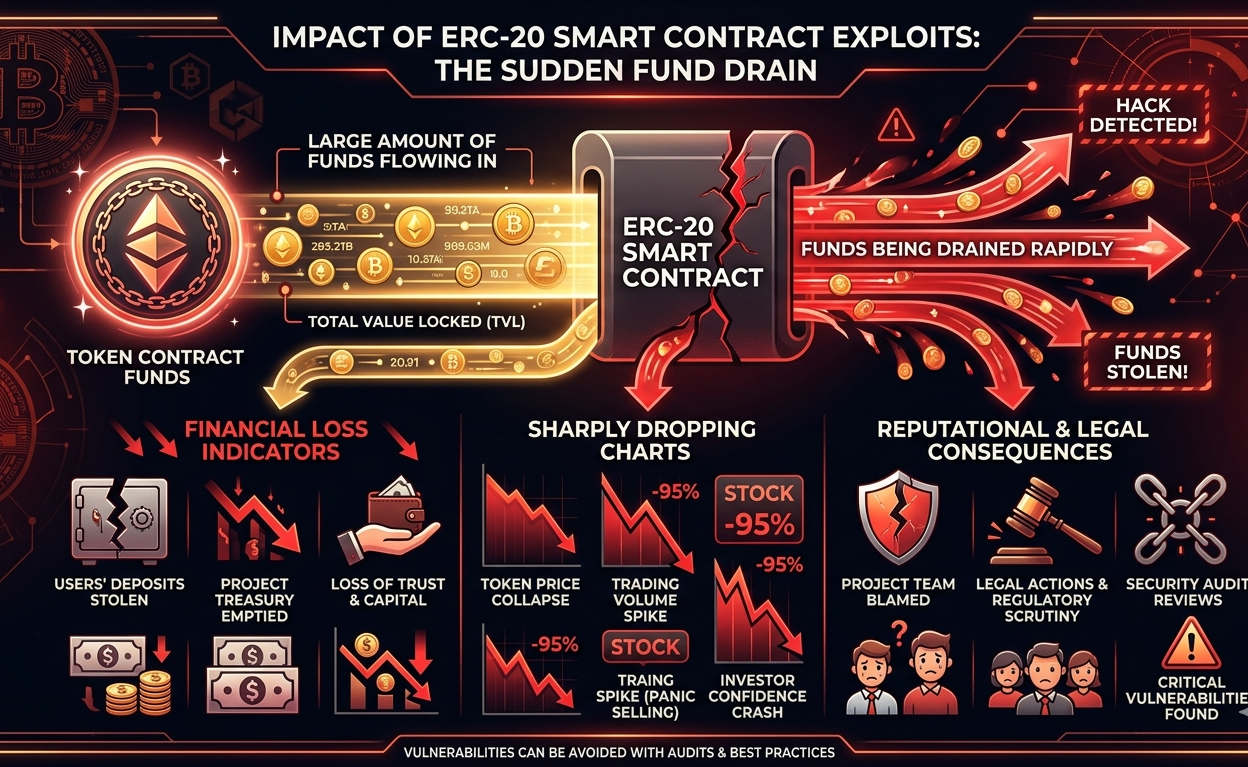
How to Audit ERC-20 Smart Contracts for Security Risks
Auditing ERC-20 smart contracts is not a single step. It is a structured process that combines automated scanning, manual code review, formal verification, and economic analysis. Each layer catches what the others might miss. Together, they form a…
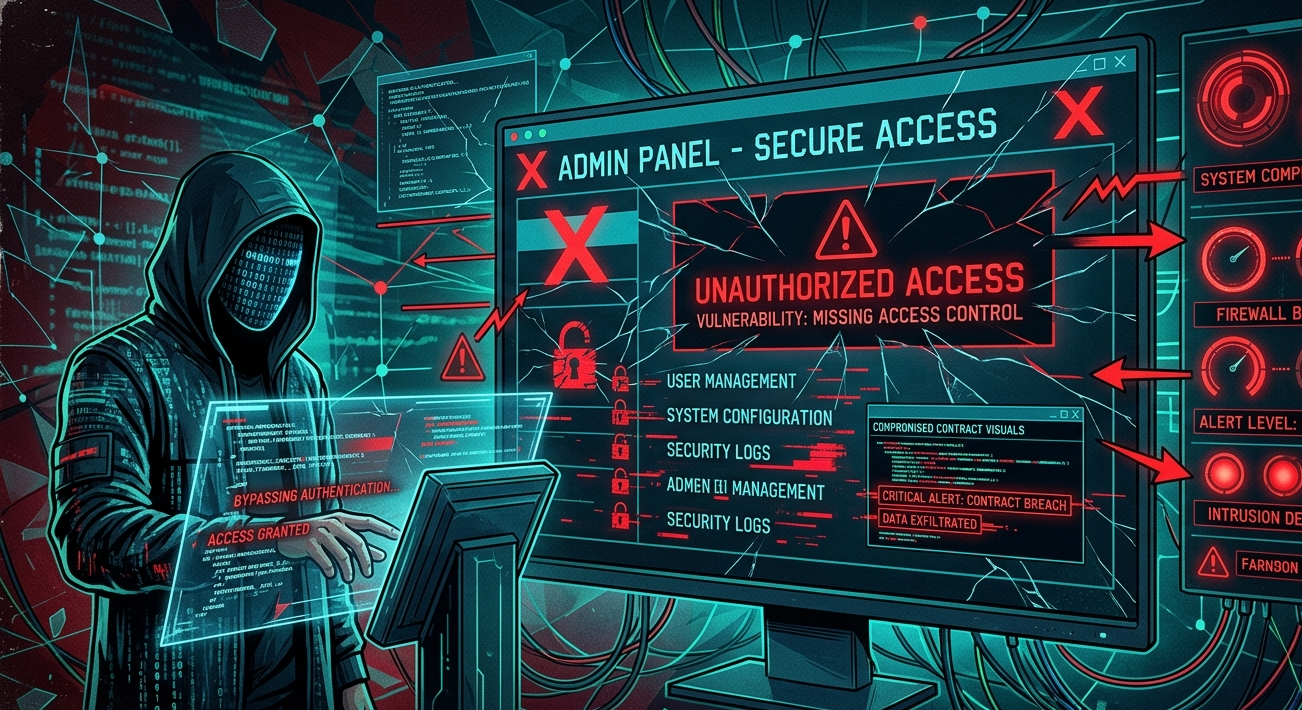
API-Based Real-Time On-Chain Monitoring: Architecture & Setup
Blockchain networks generate thousands of transactions every single minute. Each transaction touches a smart contract, modifies state, or moves assets. If something malicious slips through unnoticed, the damage can be irreversible. This is exactly why real-time blockchain threat…
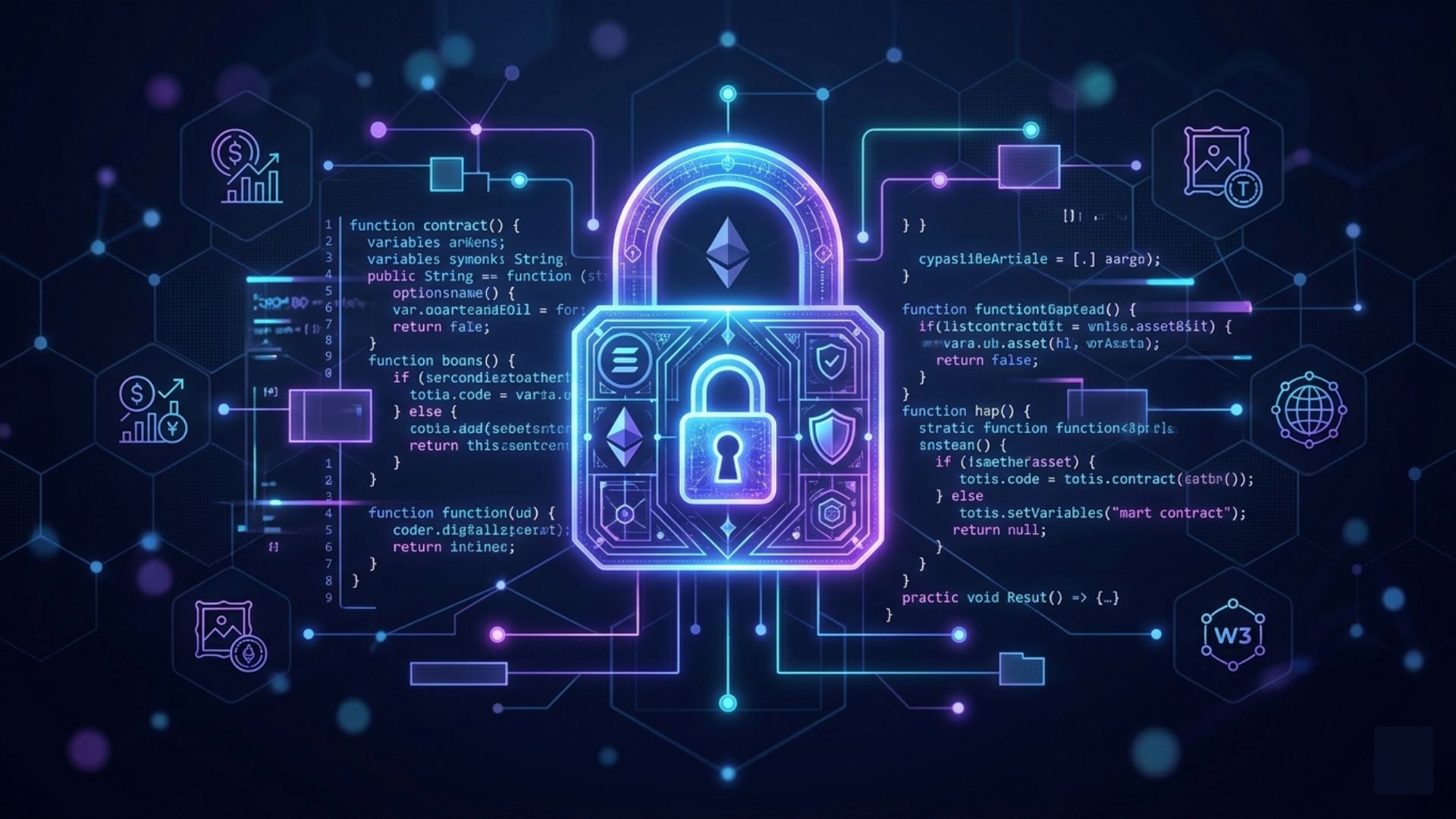
Token Movement Tracking: Real-Time On-Chain Monitoring Explained
Introduction: When Every Transaction Is a Potential Risk Picture this. It is 2:00 AM in Mumbai. A DeFi protocol sitting on Ethereum holds over $80 million in liquidity. Nobody is watching. A hacker begins silently draining tokens through…
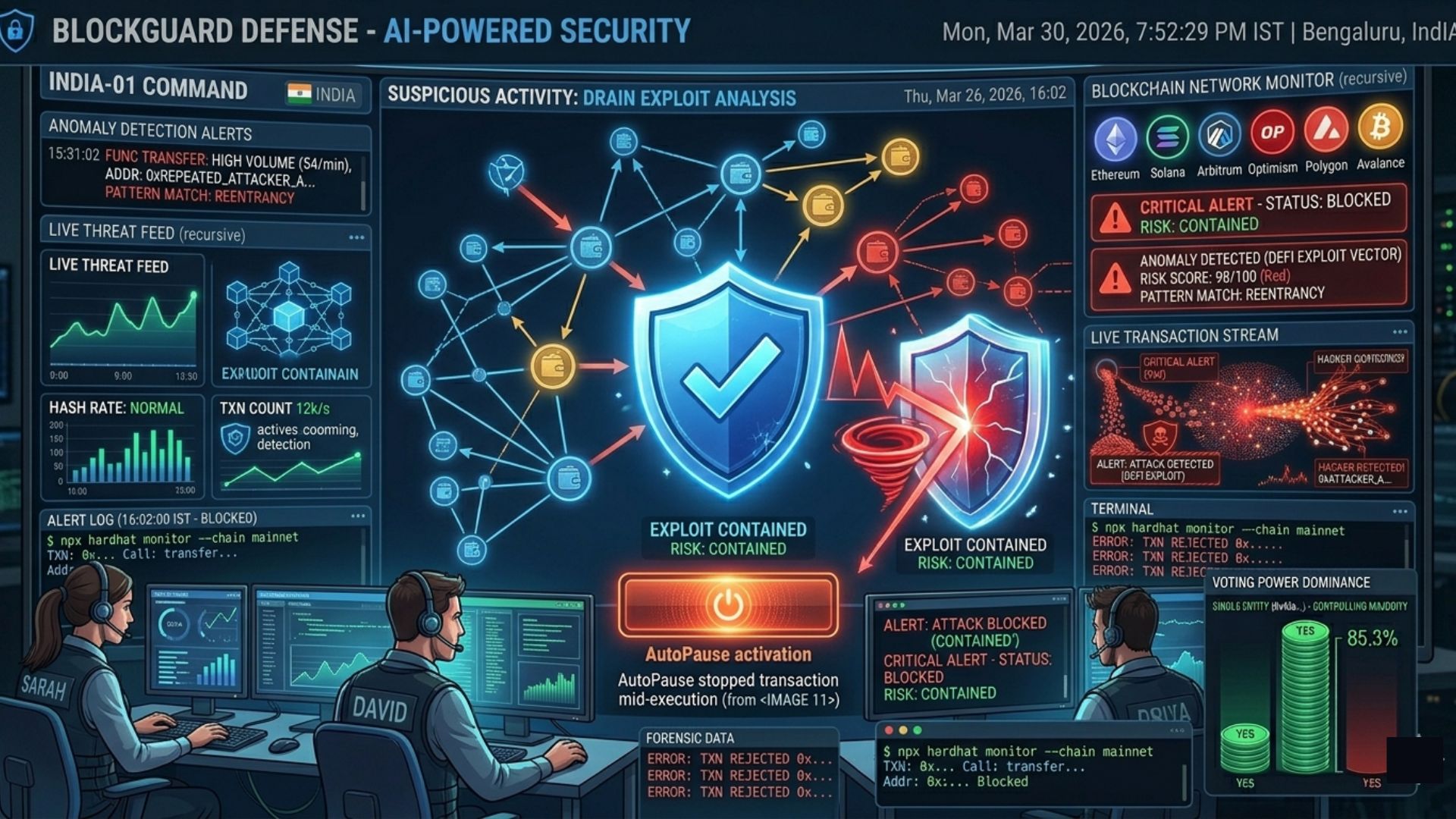
Using Real-Time On-Chain Data for Fraud Prevention in DeFi
Introduction: The DeFi Security Problem No One Wants to Talk About Decentralised finance has unlocked genuine financial freedom for millions. But it has also become one of the most exploited environments in the history of digital assets. In…
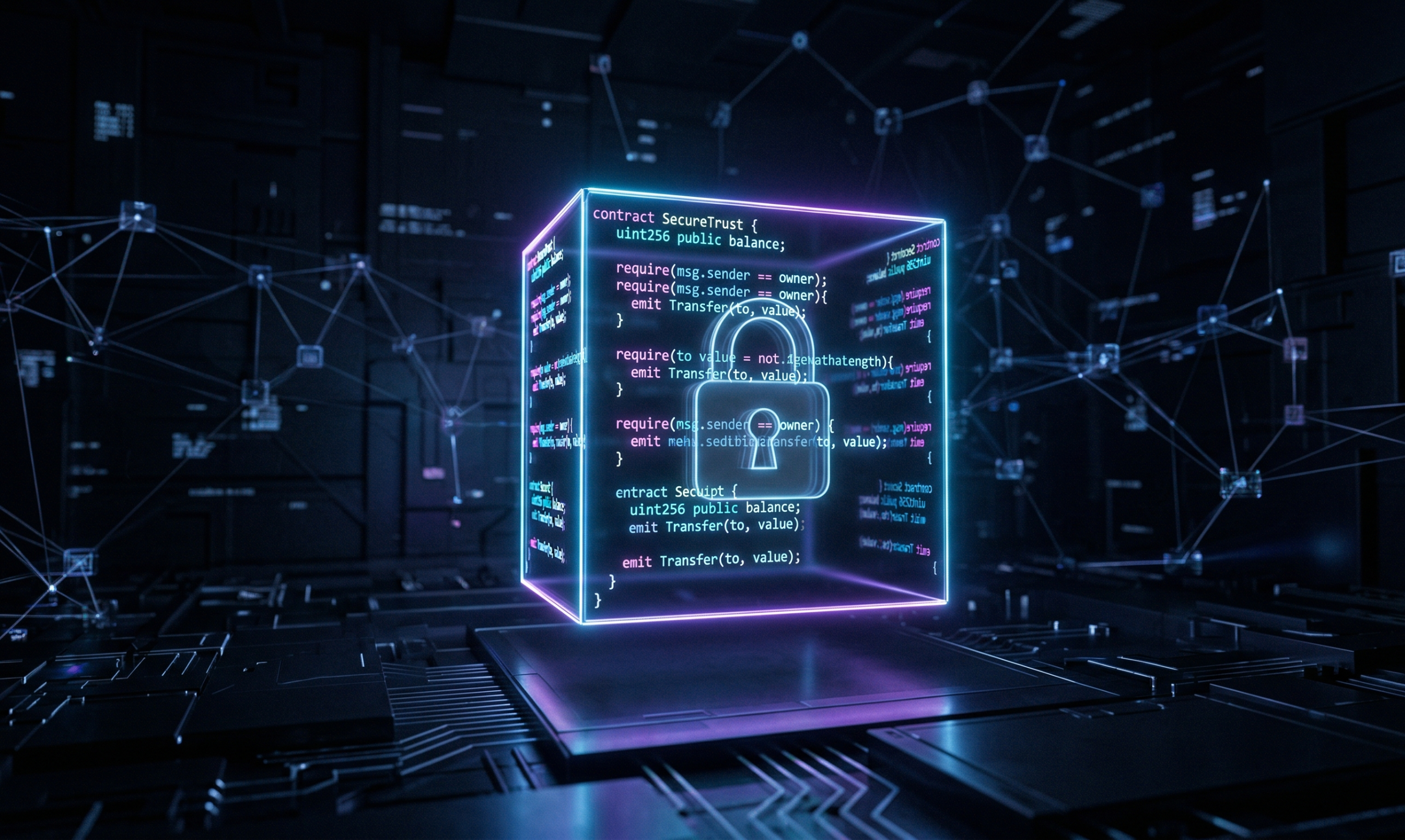
Smart Contract Security: Common Vulnerabilities & Solutions
Smart contracts were built on a simple promise: trustless execution. Once deployed, they run exactly as written, without the need for intermediaries, lawyers, or manual oversight. That promise has powered an entirely new financial ecosystem worth hundreds of…
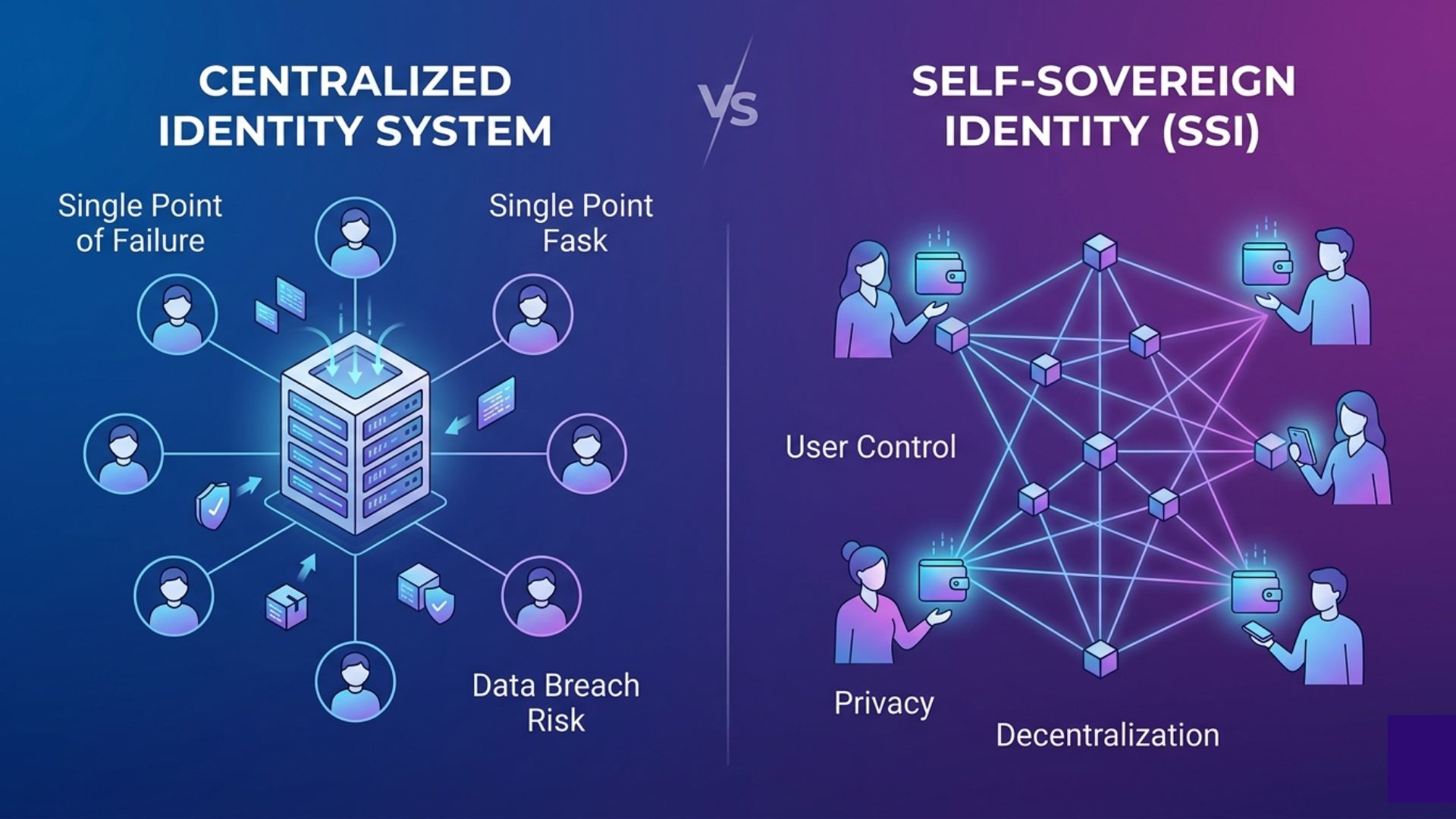
Self-Sovereign Identity: Enterprise Implementation Guide
Self-Sovereign Identity represents a fundamental shift in how enterprises think about digital trust. It moves identity from a centralized service that organizations control to a distributed capability that individuals and entities hold directly. That shift has profound implications…
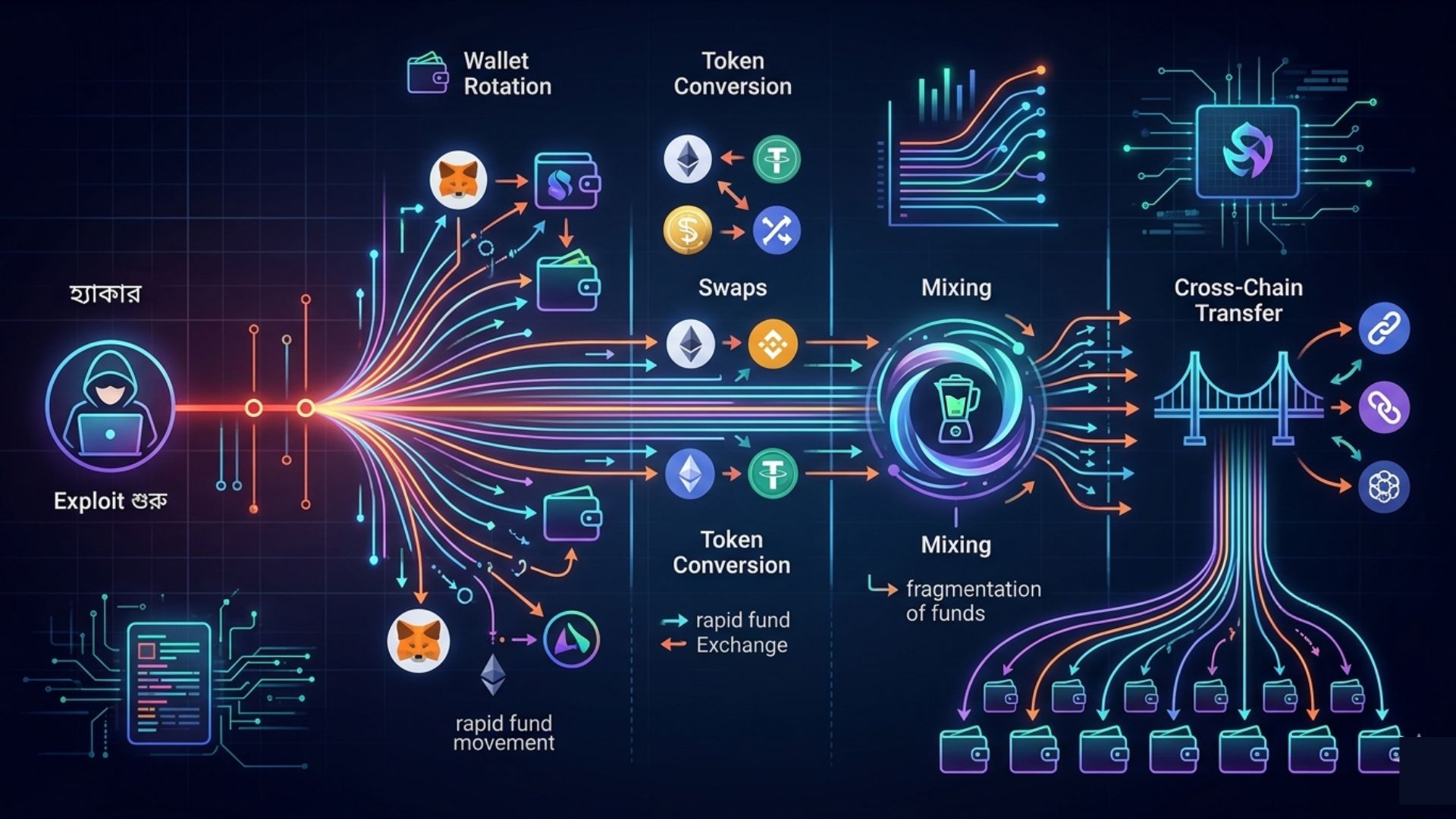
How to Conduct a Blockchain Forensic Investigation
A blockchain forensic investigation is a structured discipline that requires clear methodology, appropriate tooling, and a realistic understanding of what on-chain evidence can and cannot establish in both technical and legal contexts. The teams that achieve the best…
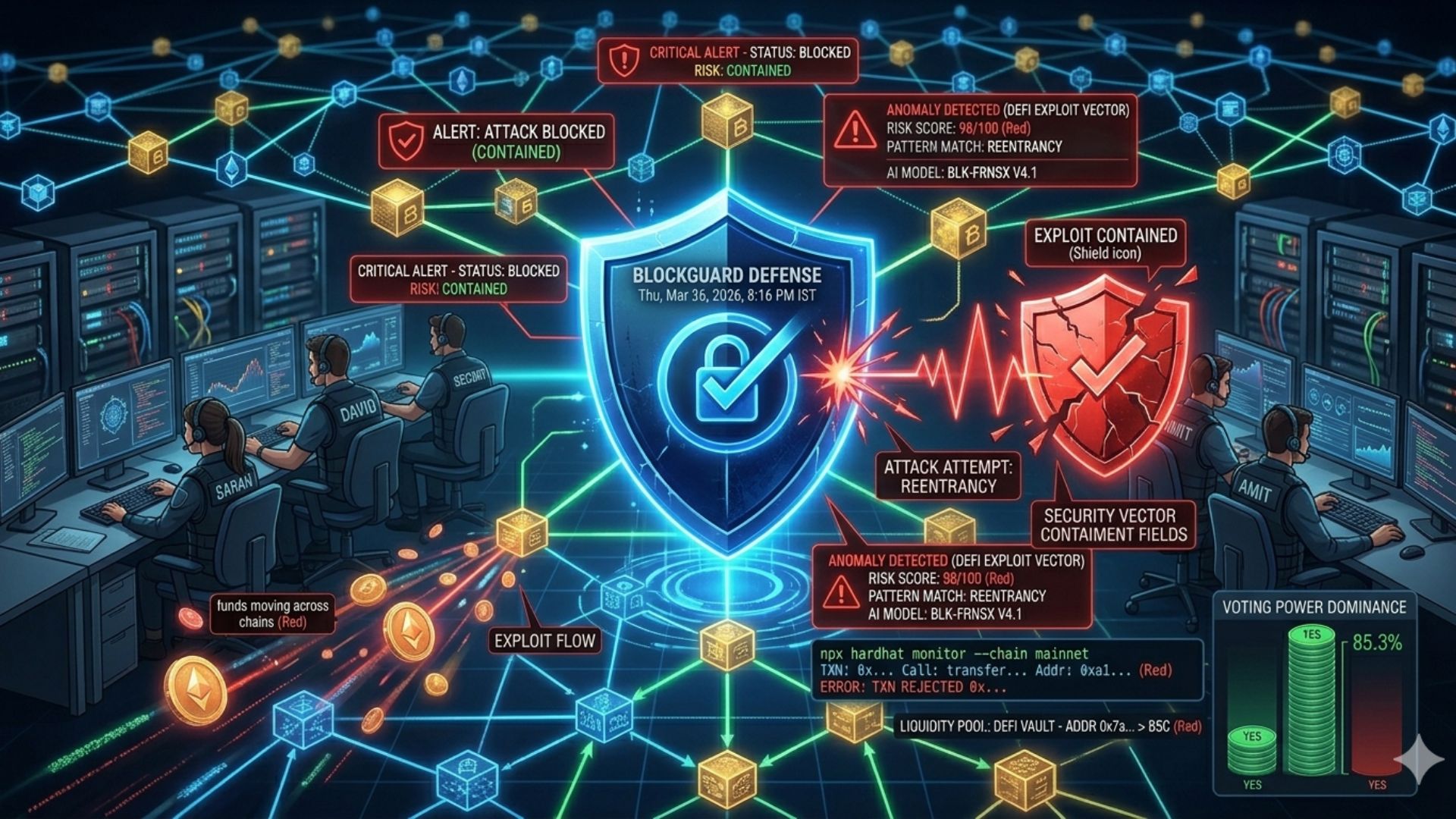
Top 10 On-Chain Threat Detection Tools in 2026
On-chain threat monitoring is one of the most important disciplines in blockchain security today. As ecosystems grow more complex, as DeFi protocols become more interconnected, and as the value at stake continues to climb, the cost of inadequate…
Using Real-Time On-Chain Data for Fraud Prevention in DeFi
DeFi moved over $100 billion in value last year. And fraudsters followed every rupee, every dollar of it. The blockchain is transparent. Everything is recorded. Yet somehow, exploits still happen within seconds. Flash loans drain liquidity pools. Rug…
How to Audit ERC-20 Smart Contracts for Security…
Auditing ERC-20 smart contracts is not a single step. It is a structured process that combines automated scanning, manual code review, formal verification, and economic analysis. Each layer catches what the others might miss. Together, they form a defense that…
API-Based Real-Time On-Chain Monitoring: Architecture & Setup
Blockchain networks generate thousands of transactions every single minute. Each transaction touches a smart contract, modifies state, or moves assets. If something malicious slips through unnoticed, the damage can be irreversible. This is exactly why real-time blockchain threat monitoring has…

Token Movement Tracking: Real-Time On-Chain Monitoring Explained
Introduction: When Every Transaction Is a Potential Risk Picture this. It is 2:00 AM in Mumbai. A DeFi protocol sitting on Ethereum holds over $80 million in liquidity. Nobody is watching. A hacker begins silently draining tokens through a re-entrancy…

Using Real-Time On-Chain Data for Fraud Prevention in…
Introduction: The DeFi Security Problem No One Wants to Talk About Decentralised finance has unlocked genuine financial freedom for millions. But it has also become one of the most exploited environments in the history of digital assets. In 2023 alone,…

Smart Contract Security: Common Vulnerabilities & Solutions
Smart contracts were built on a simple promise: trustless execution. Once deployed, they run exactly as written, without the need for intermediaries, lawyers, or manual oversight. That promise has powered an entirely new financial ecosystem worth hundreds of billions of…

Self-Sovereign Identity: Enterprise Implementation Guide
Self-Sovereign Identity represents a fundamental shift in how enterprises think about digital trust. It moves identity from a centralized service that organizations control to a distributed capability that individuals and entities hold directly. That shift has profound implications for security…

How to Conduct a Blockchain Forensic Investigation
A blockchain forensic investigation is a structured discipline that requires clear methodology, appropriate tooling, and a realistic understanding of what on-chain evidence can and cannot establish in both technical and legal contexts. The teams that achieve the best outcomes from…

Top 10 On-Chain Threat Detection Tools in 2026
On-chain threat monitoring is one of the most important disciplines in blockchain security today. As ecosystems grow more complex, as DeFi protocols become more interconnected, and as the value at stake continues to climb, the cost of inadequate monitoring becomes…
Using Real-Time On-Chain Data for Fraud Prevention in…
DeFi moved over $100 billion in value last year. And fraudsters followed every rupee, every dollar of it. The blockchain is transparent. Everything is recorded. Yet somehow, exploits still happen within seconds. Flash loans drain liquidity pools. Rug pulls leave…