
What Happens During a Smart Contract Security Audit?
A completed audit with all critical findings resolved is a significant milestone. However, it marks the beginning of your protocol's operational security lifecycle, not the end.
Read the fastest Web3 blog
Search via tags
Read the fastest Web3 blog
Search via category
Read the fastest Web3 blog
Search via tags
A completed audit with all critical findings resolved is a significant milestone. However, it marks the beginning of your protocol's operational security lifecycle, not the end.
SecureCMS unifies access control, data protection, and a full Consent Management Platform in one tool - helping platforms achieve DPDP compliance, audit-ready consent logs, and enterprise-grade encryption.
The DPDP Act has moved data protection in India from a set of best practices to a hard legal requirement with real financial and reputational consequences. Consent sits at the very center of this law, and managing it well requires…
Every enterprise that moves sensitive workloads to the cloud eventually asks the same question: who actually controls the encryption keys protecting that data? The answer shapes your compliance posture, your breach exposure, and increasingly, your readiness for the quantum computing…
Every blockchain transaction is public, permanent, and pseudonymous all at once. That combination is precisely what makes wallet tracing and address attribution the foundation of modern blockchain forensics. An investigator staring at a string of alphanumeric characters cannot immediately tell…
Every second, a bank somewhere authorizes a payment, verifies a card swipe, or settles a wire transfer. Behind that instant approval sits a decision most customers never think about: can this transaction be trusted? Banking HSM Security is the discipline…
Security in smart contract development is not a skill you acquire once and set aside. It is a lens you develop gradually, shaped by everything you read, build, test, and learn from.
Enterprise encryption key management has entered a new era, shaped by regulatory pressure, architectural complexity, and the approaching reality of quantum computing. The organizations that treat key management as a strategic discipline, rather than a background IT function, are the…
The promise of Self-Sovereign Identity to transform identity management, enable credential verification without centralized intermediaries, and restore individual agency over identity data depends critically on achieving interoperability.
A completed audit with all critical findings resolved is a significant milestone. However, it marks the beginning of your protocol's operational security lifecycle, not the end.
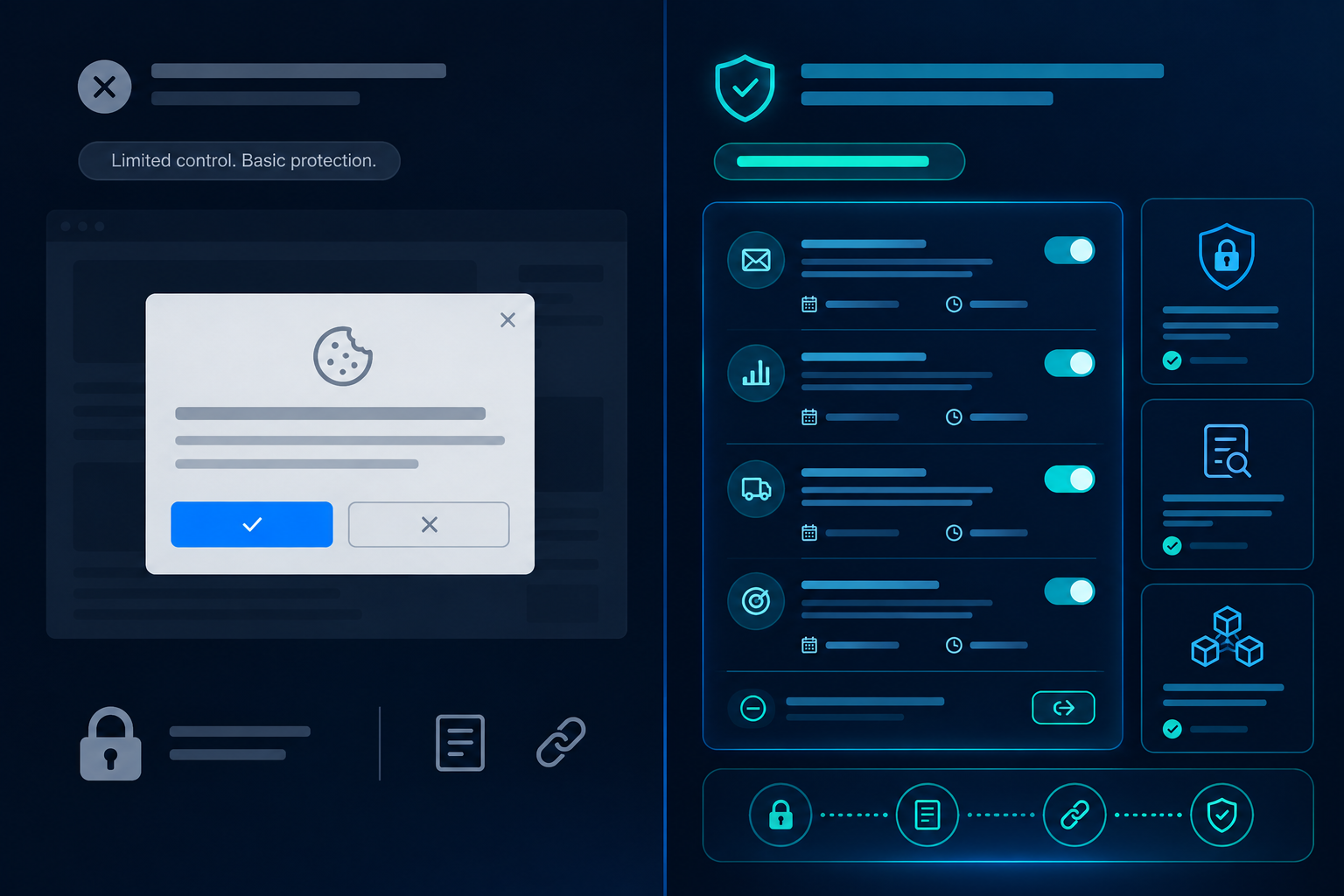
SecureCMS unifies access control, data protection, and a full Consent Management Platform in one tool - helping platforms achieve DPDP compliance, audit-ready consent logs, and enterprise-grade encryption.
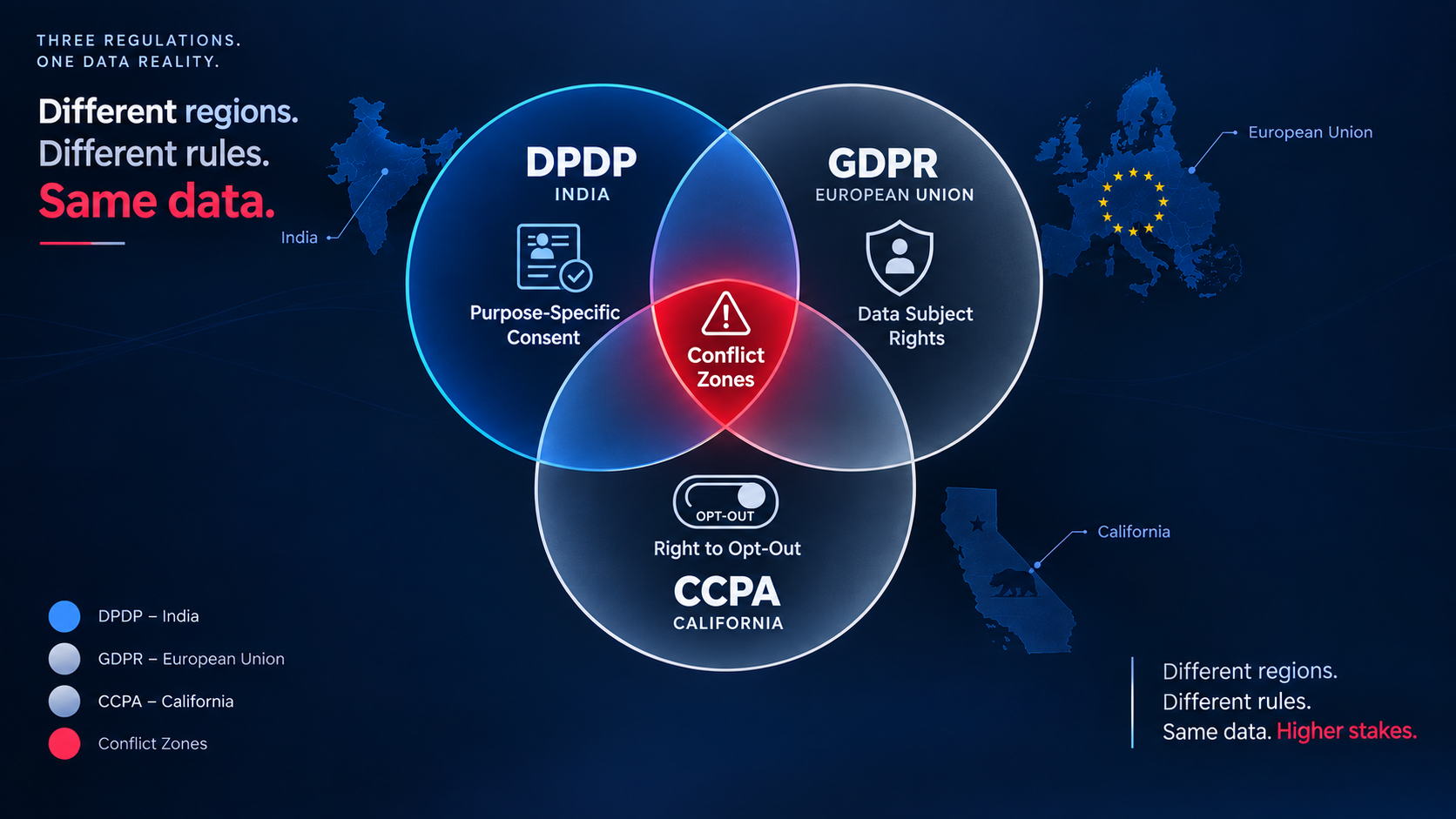
The DPDP Act has moved data protection in India from a set of best practices to a hard legal requirement with real financial and reputational consequences. Consent sits at the very center of this law, and managing it well requires…
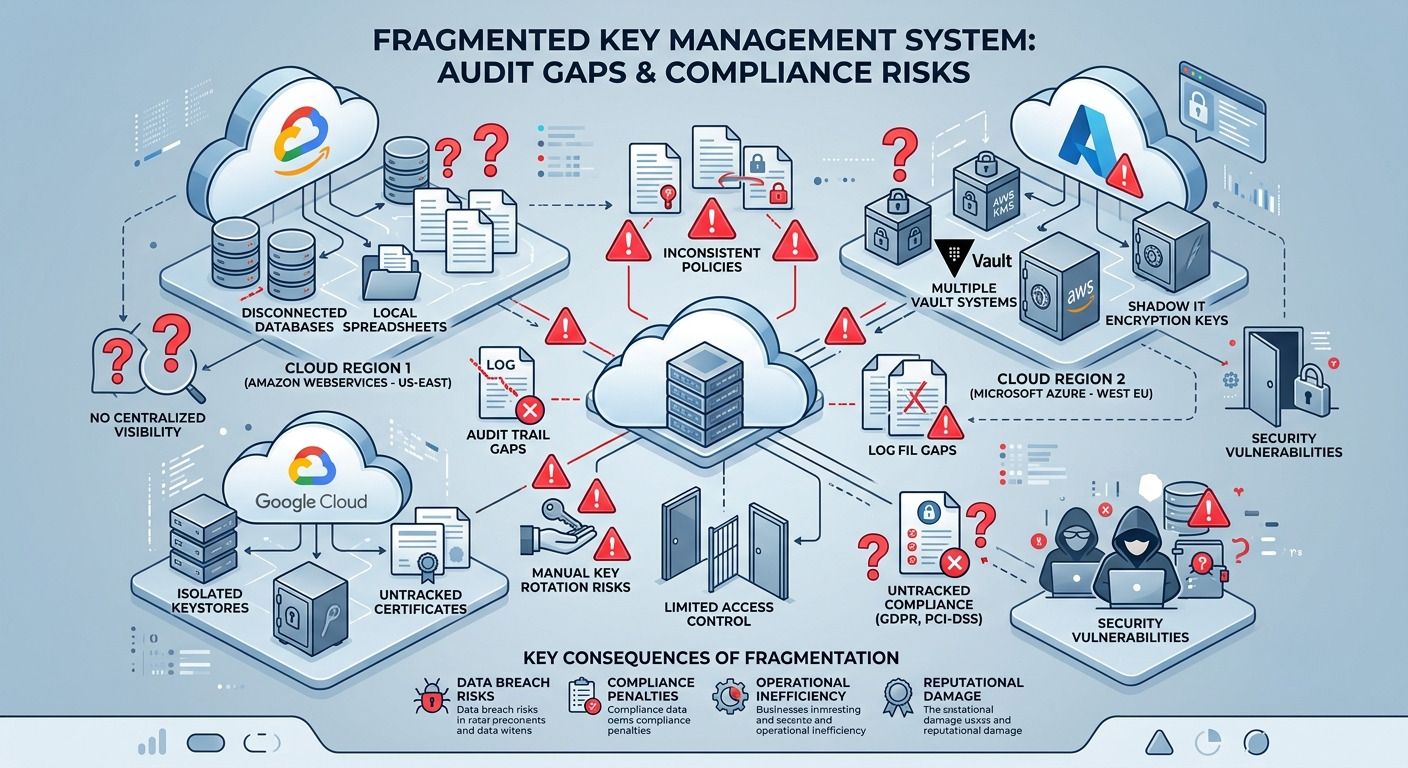
Every enterprise that moves sensitive workloads to the cloud eventually asks the same question: who actually controls the encryption keys protecting that data? The answer shapes your compliance posture, your breach exposure, and increasingly, your readiness for the quantum computing…
Every blockchain transaction is public, permanent, and pseudonymous all at once. That combination is precisely what makes wallet tracing and address attribution the foundation of modern blockchain forensics. An investigator staring at a string of alphanumeric characters cannot immediately tell…
Every second, a bank somewhere authorizes a payment, verifies a card swipe, or settles a wire transfer. Behind that instant approval sits a decision most customers never think about: can this transaction be trusted? Banking HSM Security is the discipline…
Security in smart contract development is not a skill you acquire once and set aside. It is a lens you develop gradually, shaped by everything you read, build, test, and learn from.
Enterprise encryption key management has entered a new era, shaped by regulatory pressure, architectural complexity, and the approaching reality of quantum computing. The organizations that treat key management as a strategic discipline, rather than a background IT function, are the…
The promise of Self-Sovereign Identity to transform identity management, enable credential verification without centralized intermediaries, and restore individual agency over identity data depends critically on achieving interoperability.