
Introduction
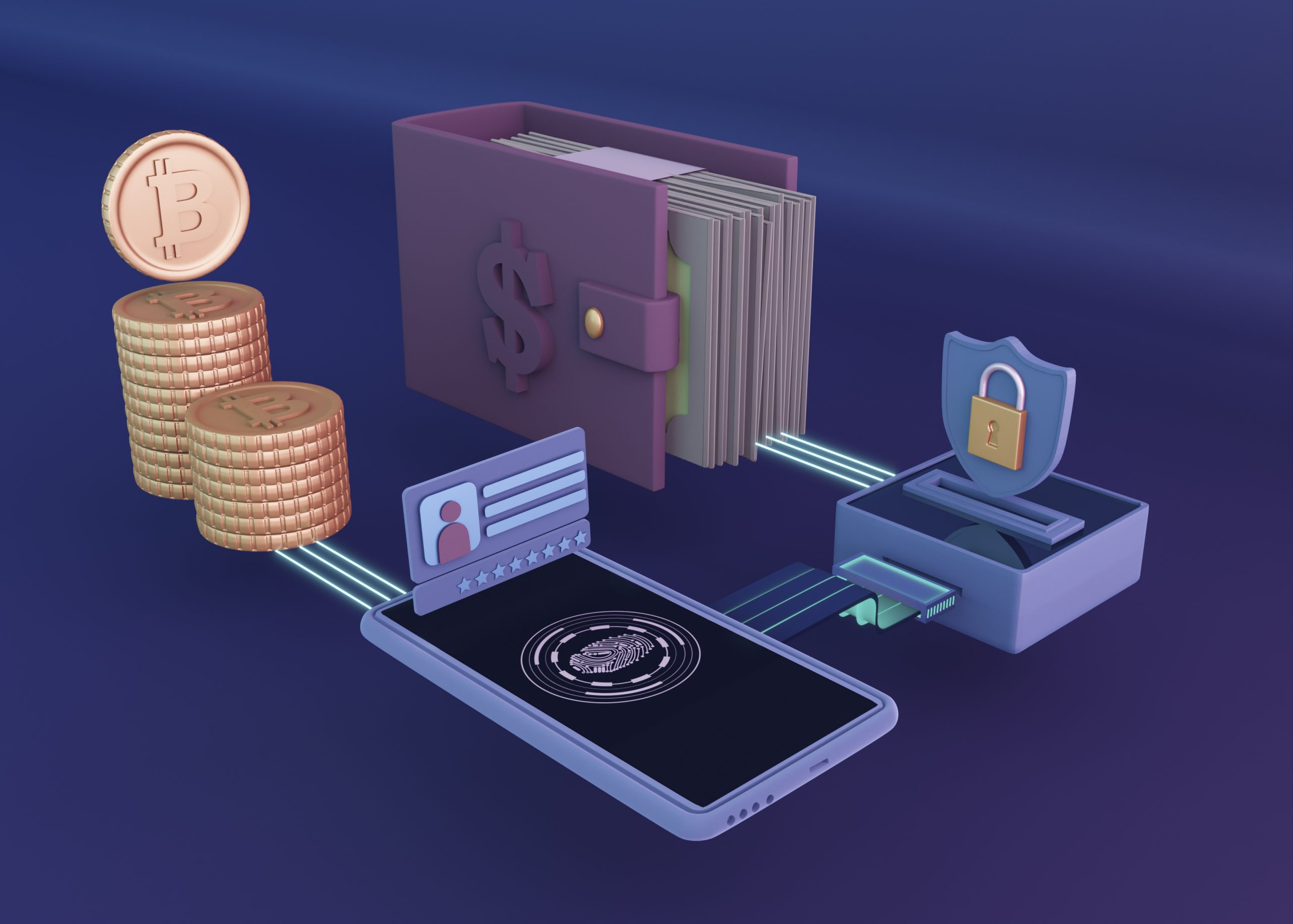
In the evolving blockchain landscape, Real-World Assets (RWAs) & NFTs are bridging the gap between tangible assets and decentralized digital ownership. By tokenizing real estate, art, or even financial instruments, RWAs convert physical assets into blockchain-based tokens, often linked with NFTs to ensure uniqueness and traceability. While this innovation promises greater accessibility and liquidity, it also comes with technical, legal, and security challenges that businesses and investors must address.
What Are Real-World Assets (RWAs) in Blockchain
Real-World Assets are physical or off-chain assets that gain representation on the blockchain through tokenization. For instance, real estate, fine art, or intellectual property can be tokenized, divided into fractional units, and traded globally. This model provides inclusivity, allowing investors to gain exposure to markets traditionally limited to large institutions.
Tokenization not only increases liquidity but also introduces new opportunities for smart contracts to automate compliance and ownership transfers. A popular real-world use case includes tokenized treasury bills, which have gained traction in decentralized finance (DeFi).
For a deeper dive into tokenization principles, platforms like Cointelegraph regularly feature updates on RWA developments.
NFTs as the Digital Twin of RWAs
Non-Fungible Tokens (NFTs) serve as the digital twin of RWAs by ensuring the uniqueness of each tokenized asset. Unlike fungible tokens, NFTs carry metadata that links to ownership details, legal agreements, or even high-resolution digital copies of physical assets. This provides assurance in markets where authenticity and provenance are critical, such as luxury goods or rare collectibles.
The combination of NFTs and RWAs unlocks a hybrid ownership model: while the physical asset exists in the real world, its digital representation can be exchanged, collateralized, or even used in decentralized applications.
Legal Framework for RWAs & NFTs
Despite rapid innovation, the legal framework for RWAs and NFTs remains complex. Several key challenges exist:
– Regulatory Classification: Many jurisdictions debate whether tokenized assets qualify as securities, commodities, or a new class altogether.
– Enforceability of Smart Contracts: Legal recognition of blockchain-based contracts varies worldwide, raising questions about dispute resolution.
– Jurisdictional Conflicts: Since blockchain transactions are borderless, determining applicable jurisdiction for disputes can be complicated.
– KYC and AML Compliance: Tokenized RWA platforms must balance decentralization with regulatory mandates like Know Your Customer and Anti-Money Laundering checks.
As governments refine their approach, businesses dealing with tokenized RWAs and NFTs must integrate compliance mechanisms at the protocol level.
Technical Breakdown: Token Standards and Infrastructure
The technical design of RWA tokenization relies heavily on blockchain standards. ERC-20 tokens are often used for fungible fractions of assets, while ERC-721 or ERC-1155 standards serve for NFTs. Together, these frameworks ensure interoperability across DeFi platforms, wallets, and exchanges.
Key infrastructure considerations include:
– Smart Contract Design: Smart contracts govern asset issuance, transfers, and compliance triggers. Security audits become essential to prevent vulnerabilities.
– Oracle Integrations: Oracles bring off-chain data onto the blockchain, such as asset valuations or legal updates, ensuring accurate representation of RWAs.
– Security Layers: Tokenized assets are attractive targets for exploits, requiring proactive security measures.
To mitigate these risks, security-focused tools like Solidity Shield by SecureDApp provide advanced smart contract auditing, ensuring tokenized assets remain tamper-proof and compliant.
Security and Compliance in the RWA-NFT Ecosystem
Security challenges in RWA and NFT integration extend beyond smart contract exploits. Potential risks include fraudulent asset listings, metadata manipulation, and phishing attacks targeting investors. Platforms must adopt a holistic approach combining technology with legal safeguards.
One reliable solution is Secure Watch by SecureDApp, a tool designed to monitor blockchain activity in real-time, detect anomalies, and provide actionable threat intelligence. By incorporating such tools, businesses can protect both users and assets from evolving blockchain threats.
Additionally, decentralized governance mechanisms can add an extra layer of trust by allowing community participation in asset validation and dispute handling.
The Role of Compliance-Ready Smart Contracts
A compliance-ready smart contract ensures that RWA tokenization aligns with regional regulations. Features like whitelisting addresses, embedding KYC requirements, or automating tax obligations are increasingly integrated into token standards.
The emergence of regulatory technology (RegTech) within blockchain is transforming how compliance is achieved. Instead of manual oversight, compliance protocols can now be coded directly into smart contracts, reducing operational risk and enhancing investor confidence.
Market Potential of RWAs & NFTs
The tokenization market is projected to grow into the trillions by the end of this decade. Real estate alone, valued in the hundreds of trillions globally, represents a massive opportunity for blockchain adoption. The integration of RWAs and NFTs allows fractional ownership, instant settlement, and cross-border trading without traditional intermediaries.
Financial institutions are already experimenting with tokenized government bonds and corporate debt instruments. Similarly, the luxury and collectibles sector is adopting NFTs to authenticate high-value items, bridging the digital and physical realms.
For blockchain startups, combining tokenization with robust security tools like Solidity Shield and Secure Watch creates a competitive edge by offering both innovation and protection.
Conclusion
As blockchain matures, the integration of RWAs and NFTs will become a cornerstone of digital economies. The future likely includes:
– Mainstream Adoption: Governments and corporations will increasingly tokenize assets for efficiency.
– Legal Harmonization: Global regulatory frameworks will emerge, standardizing how tokenized assets are classified and governed.
– Enhanced Security Models: Security-first design will become mandatory, with continuous monitoring and auditing built into platforms from inception.
The success of RWAs and NFTs depends on striking a balance between innovation, legal compliance, and technical security. Businesses leveraging comprehensive solutions like SecureDApp’s ecosystem will be better positioned to thrive in this evolving market.