
Blockchain Tokenization and Real-World Assets: A Double-Edged Sword
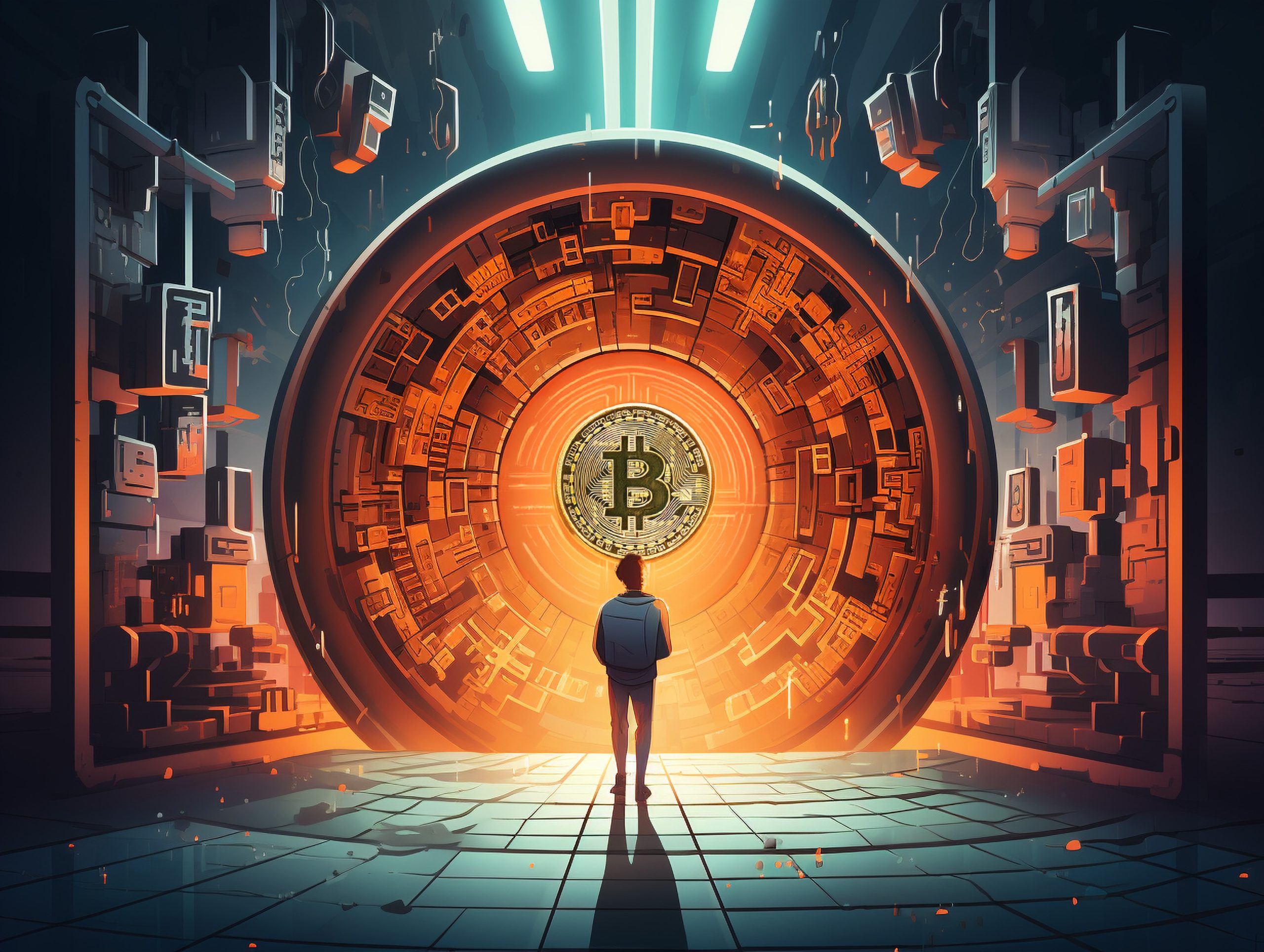
As we move through 2026, blockchain tokenization of Real-World Assets (RWAs) has evolved from an emerging concept into one of the fastest-growing sectors in digital finance. Financial institutions, asset managers, and governments are increasingly tokenizing assets such as real estate, treasury securities, commodities, private credit, and investment funds to improve liquidity, transparency, and operational efficiency. By bringing traditional assets on-chain, tokenization enables fractional ownership, faster settlement, and broader global participation.
However, rapid adoption has also expanded the attack surface. Smart contract exploits, compromised custodians, oracle manipulation, regulatory compliance issues, and cross-chain vulnerabilities continue to pose significant risks. As institutional investment in RWAs accelerates, robust security, transparent governance, and continuous monitoring have become essential for protecting both digital tokens and their underlying physical assets.
In this guide, we’ll explore the opportunities, security challenges, and best practices for safeguarding tokenized real-world assets in 2026.
Real-World Assets on Blockchain: Benefits and Innovation
Tokenizing real-world assets involves creating blockchain-based tokens that represent ownership of tangible or financial assets. For instance, a property or bond can be split into ERC-20 tokens, allowing global investors to trade ownership fractions. Benefits include:
-Increased Liquidity: Illiquid assets gain liquidity by being traded on blockchain markets.
-Fractional Ownership: Broader access to asset classes traditionally reserved for institutions.
-Reduced Costs: Smart contracts cut out intermediaries and automate compliance tasks.
-24/7 Global Trading: Investors can participate across time zones without intermediaries.
-Transparency: Blockchain’s immutability aids in auditing ownership and transaction records.
Custody Risks in Tokenized Asset Security
Security risks emerge once tokens represent real assets. Custody is a key concern. Tokenized RWAs rely on secure storage or collateralization of the physical asset. As Chainlink highlights, custody failures can undermine the entire system. If a token says it represents one ounce of gold, that gold must exist and be verifiably held. A breach, theft, or fraudulent custody claim destroys trust. Thus, securing the physical asset is as critical as smart contract security.
Oracle and Data Feed Vulnerabilities
RWAs rely on real-world data to reflect asset pricing, collateral status, and ownership. This connection is handled by oracles services that relay off-chain data to on-chain systems.
If an oracle is compromised or malfunctions, tokens may misrepresent the actual asset value. Chainlink’s Proof of Reserve is one solution to verify that tokenized assets are truly backed. Yet, misconfigured oracles or reliance on centralized data feeds expose projects to significant risks. Attackers can manipulate prices, trigger false liquidations, or mask undercollateralization.
Smart Contract Exploits and Key Management
Smart contracts form the backbone of RWA platforms, automating everything from token issuance to ownership transfers. But smart contracts are susceptible to bugs and exploits. In March 2026, RWA platform Zoth lost $8.85 million due to an admin key exploit. Attackers upgraded a proxy contract and stole funds, a reminder that poor key management is a critical vulnerability.
Even accidental key loss can be catastrophic. With blockchain, lost private keys often mean lost assets forever. Since a single token might represent millions in value, strong multisig controls, cold storage, and two-factor authentication are essential.
Compliance and Regulatory Security in RWA Tokenization
Many tokenized RWAs fall under security laws and must comply with regulations across jurisdictions. Legal compliance becomes a security issue when projects fail to implement KYC/AML checks, whitelisting, or identity verification.
SecureDApp’s RWA Audit addresses this by integrating compliance into the tokenization process. The audit ensures smart contracts are safe and that the platform enforces identity and licensing checks. Without these measures, token issuers risk legal shutdowns or fines, in addition to technical hacks.
Market Liquidity and Governance Risks
Tokenized assets depend on market demand. Illiquid markets can lead to price manipulation or volatility. Furthermore, RWA governance structures often require complex compliance logic and jurisdictional awareness. A token deemed legal in one country may be restricted in another. Cross-border compliance must be embedded within smart contracts to avoid legal arbitrage or unintended violations.
Mitigating Risks: SecureDApp Solutions for Real-World Asset Tokenization
Tokenizing real-world assets (RWAs) introduces new security challenges from smart contract vulnerabilities to custody breaches and compliance gaps. SecureDApp offers a suite of specialized tools to help projects manage these risks.
RWA Audit goes beyond standard audits by validating smart contracts and ensuring the token accurately reflects the physical asset. It enforces KYC/AML, checks licensing, and adds features like admin-level two-factor authentication to protect against fraud and regulatory non-compliance.
Audit Express delivers fast, deep audits to catch common coding flaws like access control issues or re-entrance bugs before launch. It works hand-in-hand with , which provides automatic code scanning during development.
Secure Watch ensures 24/7 on-chain monitoring. It flags suspicious activity such as unauthorized transfers or AML violations and enforces real-time compliance by freezing compromised tokens.
Secure Trace connects on-chain tokens with physical asset movement. Whether it’s tokenized gold or fine art, SecureTrace tracks logistics and alerts stakeholders to custody risks or double-spending attempts.
Secure Pad automates token launch compliance, handling KYC/AML and whitelist controls to ensure regulatory safety from day one.
Together, these services provide a layered security framework from development to deployment for RWA projects. SecureDApp ensures smart contracts are safe, compliance is enforced, and physical and digital layers remain in sync.
Conclusion
Tokenized RWAs can revolutionize finance, but only if backed by rigorous security. SecureDApp helps startups, enterprises, and developers secure every layer from contract code to off-chain data. In today’s fast-evolving regulatory landscape, integrating solutions like RWA Audit and Secure Watch ensures real-world asset tokens stay resilient, compliant, and trustworthy. For further insights, explore SecureDApp’s RWA trends and security blog.
Frequently Asked Questions
1. What are tokenized Real-World Assets (RWAs)?
Tokenized RWAs are blockchain-based digital tokens that represent ownership or rights to physical or traditional financial assets such as real estate, government bonds, commodities, private equity, or fine art. Tokenization enables faster transactions, fractional ownership, and increased market accessibility while maintaining transparent ownership records.
2. Why is security critical for RWA tokenization platforms?
Unlike purely digital assets, tokenized RWAs depend on both blockchain security and the integrity of the underlying physical asset. Smart contract vulnerabilities, compromised custodians, inaccurate oracle data, weak private key management, or regulatory failures can undermine investor trust and expose projects to significant financial losses.
3. How do oracles secure tokenized real-world assets?
Oracles connect blockchain networks with verified off-chain information such as asset valuations, ownership records, reserve balances, and market prices. Secure oracle networks with decentralized validation and Proof of Reserve mechanisms help ensure that on-chain tokens accurately reflect the underlying real-world assets.
4. What compliance measures should RWA projects implement in 2026?
Modern RWA platforms should integrate KYC, AML, investor verification, transaction monitoring, jurisdiction-based access controls, and smart contract audits. These compliance measures help projects meet evolving global regulations while protecting investors and reducing operational risks.
5. How does SecureDApp help secure tokenized RWA platforms?
SecureDApp provides comprehensive security for RWA ecosystems through smart contract audits, continuous on-chain monitoring, compliance validation, secure token launch infrastructure, custody risk monitoring, and automated threat detection. These solutions help organizations build secure, compliant, and scalable tokenization platforms for institutional and retail investors alike.