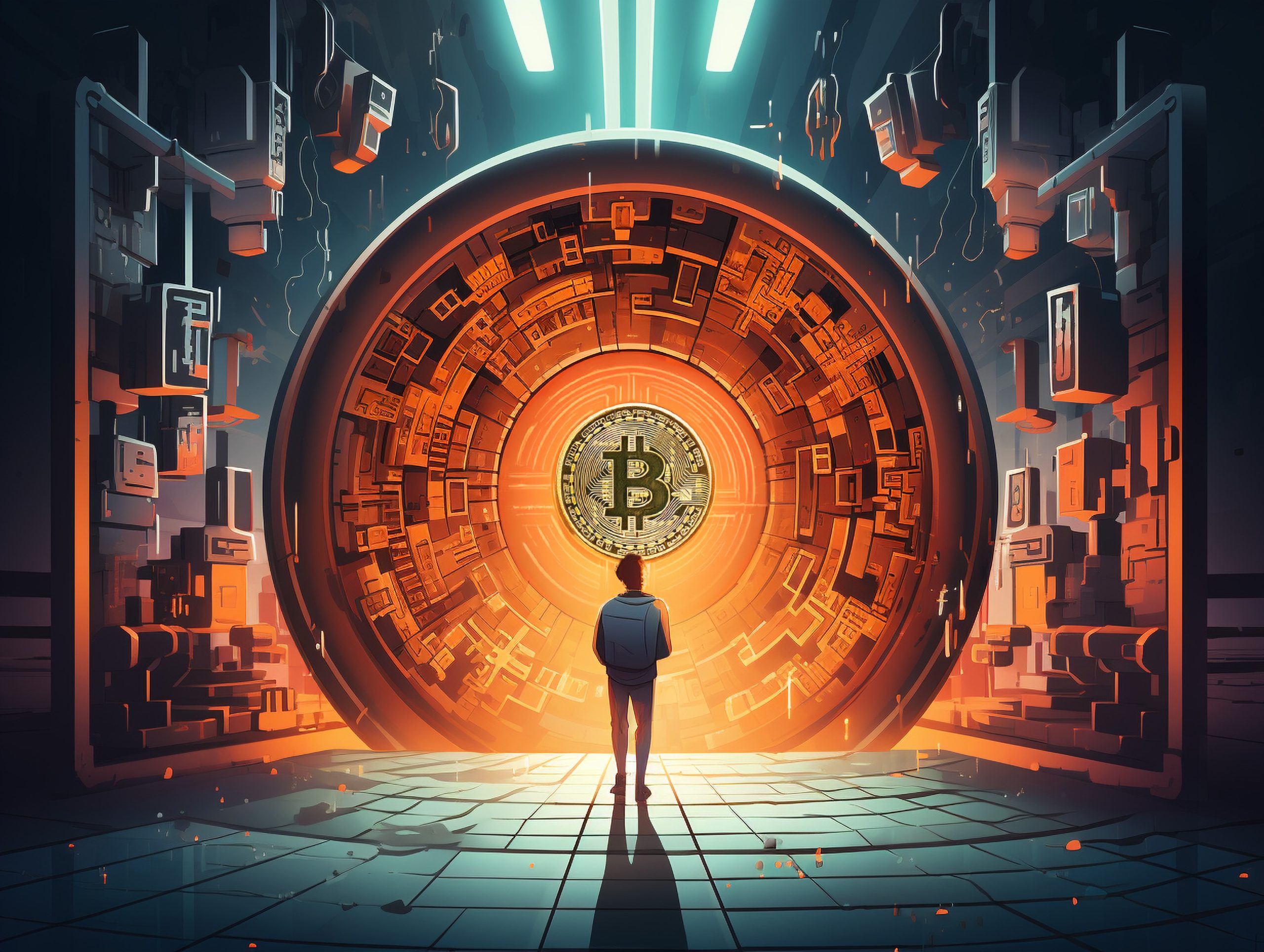

The NFT ecosystem has evolved far beyond digital collectibles, becoming a foundation for creator economies, gaming, digital identity, and tokenized intellectual property in 2026. As more artists, musicians, brands, and enterprises adopt blockchain technology, NFT royalties remain one of the most valuable innovations for ensuring creators continue to benefit from the long-term success of their work. Rather than earning only from the initial sale, creators can generate recurring revenue through secondary market transactions, creating a more sustainable digital economy.
However, NFT royalties are only as reliable as the smart contracts and marketplaces that support them. As royalty policies continue to evolve across different NFT platforms, creators must understand how royalties are implemented, what limitations exist, and how to protect their digital assets from security vulnerabilities. By combining secure smart contract development with blockchain security solutions such as SecureDApp’s Solidity Shield for contract auditing and SecureWatch for continuous blockchain monitoring, creators can maximize royalty earnings while reducing security risks.
Understanding NFT Royalties
NFT royalties are payments automatically sent to creators every time their NFT changes hands in a secondary market. In traditional art or music sales, creators often earn only once when the piece is sold initially. NFTs change that dynamic. Through smart contracts, royalties are embedded into the blockchain code, ensuring that creators get a fixed percentage from each resale.
For example, if a creator sets a 10% royalty, they will receive that percentage every time the NFT is resold. This automated payment system operates transparently and eliminates the need for intermediaries. However, the effectiveness of royalties depends heavily on how the smart contracts are written and how NFT marketplaces honor them.
Why NFT Royalties Are Crucial for Digital Creators
NFT royalties are not just an income source; they are a foundation for creator sustainability. In the Web2 world, artists often lose out once their work is sold or used. But in Web3, royalties empower creators to benefit from the long-term appreciation of their digital assets.
Consider an artist who sells a digital painting for $200. If the piece later gains popularity and sells for $20,000, traditional systems would leave the artist with nothing more than the initial $200. With NFT royalties, that same artist could earn thousands from subsequent sales, ensuring a continuous revenue stream that mirrors the value they’ve created in the ecosystem. This democratization of earnings is one of the core reasons creators should care deeply about NFT royalties. It ensures fairness, encourages innovation, and rewards ongoing participation in the NFT economy.
The Role of Smart Contracts in NFT Royalties
Smart contracts are the backbone of NFT royalties. They define how royalties are distributed and ensure that payments are made automatically when an NFT is resold. However, poorly written or unaudited contracts can create vulnerabilities, leading to lost royalties or even exploitation by malicious actors.
This is where tools like Solidity Shield by SecureDApp become crucial. Solidity Shield provides comprehensive smart contract audits, identifying bugs, vulnerabilities, and misconfigurations before deployment. By securing the code behind NFTs, creators can ensure that their royalty structures work seamlessly and remain tamper-proof. In the NFT world, one small error in a contract can mean losing thousands in future royalties. Therefore, smart contract security is not an option it’s a necessity for any serious creator or NFT project.
How NFT Marketplaces Handle Royalties
Not all NFT marketplaces enforce royalties equally. Some platforms like OpenSea and Rarible honor on-chain royalty structures, ensuring creators are paid automatically. Others give buyers the option to skip royalty payments, which can undermine the entire system. To mitigate this issue, creators should choose platforms that support enforceable royalty mechanisms and consider integrating self-hosted solutions where they control the contract directly. Partnering with blockchain security experts can also ensure compliance across multiple platforms.
A reliable monitoring solution such as Secure Watch by SecureDApp can help track transactions in real time. This tool monitors blockchain activity to detect suspicious behaviors or missed payments, keeping creators informed and protected from potential royalty bypasses.
Common Challenges and Myths About NFT Royalties
Despite their promise, NFT royalties come with a set of challenges that creators need to understand.
Myth 1: Royalties Are Guaranteed by Default
While smart contracts can automate royalty payments, they only work if marketplaces honor them. Some platforms disable royalties for lower fees, so it’s essential for creators to verify compliance before listing.
Myth 2: Smart Contracts Are Always Secure
Even automated systems can be exploited. Without proper auditing and monitoring, attackers can manipulate contracts to divert payments. Auditing your NFT contracts using tools like Solidity Shield helps ensure royalty logic functions as intended.
Myth 3: NFT Royalties Work the Same Everywhere
Different blockchains and standards (like ERC-721 vs ERC-1155) handle royalties differently. Understanding your network’s royalty infrastructure is key to avoiding lost earnings.
Securing Your NFT Royalties
NFT royalties thrive on trust, transparency, and automation but that trust must be earned through security. Creators can take several steps to safeguard their royalties and protect their income:
1. Audit Smart Contracts Regularly:
Using platforms like Solidity Shield helps identify potential weaknesses and ensures contracts distribute royalties correctly.
2. Monitor Blockchain Transactions:
With tools like Secure Watch, creators can keep an eye on NFT transfers, detect unusual activity, and confirm that royalty payments are made.
3. Choose Reliable Marketplaces:
Not every marketplace supports automated royalties. Select those that enforce royalty standards and integrate transparent royalty tracking.
4. Stay Updated on Web3 Security Trends:
Follow reliable resources such as the SecureDApp Blog for updates on NFT security, smart contract protection, and blockchain best practices.
Future of NFT Royalties
The future of NFT royalties looks promising but complex. As more brands and creators enter Web3, demand for secure and transparent royalty systems will rise. We can expect new protocols that standardize royalty enforcement across platforms, ensuring creators never lose out due to technical or market limitations.
Blockchain technology will evolve, and so will security mechanisms. Integrating automated audits, real-time monitoring, and secure smart contract frameworks will be essential for the next phase of digital ownership. Tools like Solidity Shield and Secure Watch represent this shift toward proactive protection, ensuring creators’ royalties remain safe in an ever-changing Web3 landscape.
Conclusion
NFT royalties have redefined digital ownership, giving creators long-term earning potential from their work. However, with great opportunity comes great responsibility, particularly when it comes to security. To truly benefit from royalties, creators must understand how smart contracts function, choose marketplaces wisely, and adopt blockchain security solutions. Platforms like SecureDApp, with products such as Solidity Shield for smart contract audits and Secure Watch for real-time blockchain monitoring, are helping creators safeguard their royalties and assets. By prioritizing security and transparency, creators can fully unlock the financial and creative potential of the NFT revolution.
Frequently Asked Questions (FAQs)
1. What are NFT royalties?
NFT royalties are automatic payments that creators receive whenever their NFTs are resold on participating marketplaces. These payments are typically defined within the NFT’s smart contract and provide creators with recurring income from secondary sales.
2. Are NFT royalties guaranteed on every marketplace?
No. While many NFT marketplaces support royalty payments, enforcement policies differ between platforms. Some marketplaces fully honor creator royalties, while others provide optional or limited royalty support. Creators should verify marketplace policies before listing their NFTs.
3. Why are smart contract audits important for NFT royalties?
A smart contract audit helps ensure that royalty logic functions correctly and that there are no vulnerabilities that could affect payments or compromise NFT ownership. Audits also improve the overall security and credibility of NFT projects.
4. How can creators protect their NFT royalties?
Creators can protect their royalties by using audited smart contracts, choosing reputable NFT marketplaces, monitoring blockchain activity, regularly reviewing contract updates, and implementing continuous security solutions such as SecureWatch.
5. How does SecureDApp help NFT creators?
SecureDApp supports NFT creators through Solidity Shield, which performs comprehensive smart contract security audits, and SecureWatch, which continuously monitors blockchain activity for suspicious behavior and potential security threats. Together, these solutions help creators protect their NFT collections, royalty mechanisms, and digital assets.