
Introduction
The world of decentralized technologies is reshaping the digital economy, but one challenge still holds many Web3 startups back trust. Building user trust through transparency is not only essential but also a competitive advantage. When investors, developers, and users feel confident about how data, assets, and smart contracts are managed, they are more likely to engage and stay loyal. This is where tools like SecureDApp come in, helping startups ensure credibility through real-time monitoring, smart contract audits, and blockchain threat detection.
Why Transparency Matters in Web3
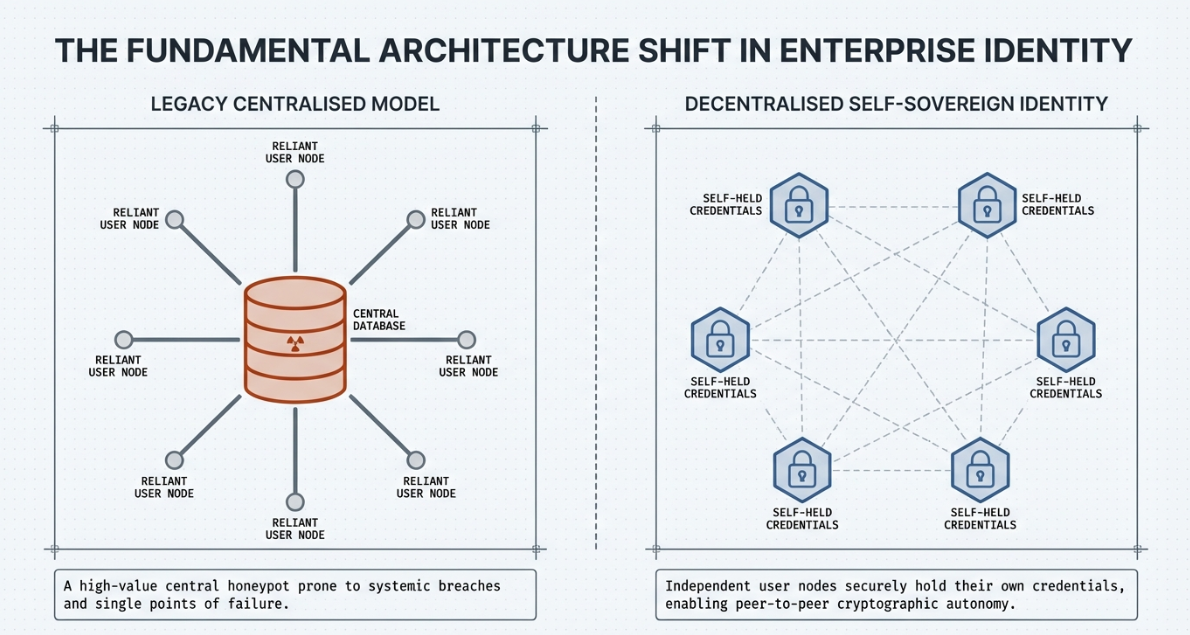
Unlike traditional systems where central authorities manage data, Web3 relies on decentralized networks where trust is distributed among users. However, decentralization alone doesn’t automatically guarantee security. The space has witnessed multiple scams, rug pulls, and contract breaches that have shaken user confidence. Transparency builds a foundation of accountability. By openly sharing audit reports, governance mechanisms, and real-time system data, startups can demonstrate integrity. A transparent ecosystem shows users that developers are not hiding behind code they are building in public for the community’s benefit.
Transparency also aligns with the open-source ethos of blockchain. Projects that publicly release their smart contracts, security assessments, and financial operations often gain stronger community backing. This proactive openness sets successful Web3 startups apart from speculative projects.
Key Pillars of Trust in Web3
To build trust through transparency, startups should focus on four essential pillars: security, communication, accountability, and decentralization.
1. Security: Users must feel safe interacting with a platform. This means ensuring smart contracts are free from vulnerabilities. Conducting regular audits with trusted partners like Solidity Shield by SecureDApp helps identify and fix potential flaws before they can be exploited.
2. Communication: Clear, consistent updates foster a culture of honesty. Projects should communicate not just their successes but also the challenges and improvements underway.
3. Accountability: Transparency means being accountable for actions and outcomes. Open governance models allow token holders to participate in decision-making and hold the team responsible for their commitments.
4. Decentralization: A properly decentralized infrastructure minimizes single points of failure and prevents misuse of power, which enhances credibility.
How Web3 Startups Can Build User Trust Through Transparency in Security
Security is the first test of credibility in Web3. Users are aware that blockchain is immutable once assets are lost, they can rarely be recovered. To overcome skepticism, startups must prove that they take security seriously. This begins with comprehensive smart contract audits. Tools such as Solidity Shield from SecureDApp deliver automated and manual audits that detect vulnerabilities before deployment. By sharing audit summaries with the community, startups can show users their commitment to transparency and safety.
Next comes continuous threat monitoring. Cyber threats evolve daily, and static audits alone are not enough. Solutions like Secure Watch offer ongoing blockchain monitoring to identify irregularities in transactions or contract activities. Real-time alerts and anomaly detection provide teams the ability to respond before issues escalate. By implementing these security measures and making results accessible, startups signal that user protection is their top priority.
Open Governance and Transparent Communication
Web3 startups thrive on community engagement. Implementing open governance models where token holders can propose and vote on changes builds mutual respect and trust. When decisions are made in public view, users feel valued and involved. Beyond governance, transparent communication builds lasting credibility. Regular updates about protocol changes, audits, and partnerships should be published on the project’s blog or community channels. Sharing detailed post-mortems when issues occur also demonstrates responsibility and strengthens user confidence.
Startups can take inspiration from major decentralized autonomous organizations (DAOs) that host open town halls and publish on-chain governance reports. This level of transparency creates alignment between the project team and its community members.
Leveraging SecureDApp Tools for Trust and Transparency
To maintain trust in a rapidly evolving landscape, startups must adopt robust solutions that reinforce their transparency goals. SecureDApp provides a comprehensive suite of products designed specifically for Web3 security and visibility.
– Solidity Shield: Performs advanced smart contract audits, ensuring the integrity and performance of decentralized applications. It uses both automated tools and expert analysis to uncover vulnerabilities.
– Secure Watch: Continuously monitors blockchain activities, identifying unusual behavior or potential exploits in real time. It helps maintain a clean, secure operational environment.
Integrating these tools not only strengthens security but also allows projects to share verified reports with users. These visible layers of protection reassure investors and participants that their assets and data are being managed responsibly. For startups aiming to attract long-term users and partners, collaborating with proven platforms like SecureDApp can be the difference between short-term hype and sustainable growth.
Educating Users About Transparency
Transparency is not effective unless users understand it. Educating the community about how audits, threat monitoring, and governance work helps bridge the knowledge gap. When users see detailed reports, dashboards, and analytics, they can better appreciate the project’s commitment to honesty.
Startups should create easy-to-understand documentation explaining their transparency practices such as where audit results are published, how decisions are made, and what tools are used for security. Interactive dashboards showing transaction metrics or contract health can turn complex data into visual proof of reliability. User education builds an informed community that values openness, reducing fear and uncertainty in a volatile industry.
Long-Term Benefits of Transparency
Transparency is not just a short-term public relations move it’s a growth strategy. Projects that prioritize it benefit from stronger communities, better investor relations, and sustainable brand reputation.
Open projects tend to attract higher-quality developers and contributors because transparency reflects professionalism. In addition, regulatory bodies are beginning to look favorably upon transparent blockchain operations, which can ease compliance processes in the future. Moreover, users who trust a platform are more likely to participate in staking, liquidity provision, or governance voting factors that directly contribute to ecosystem growth.
Conclusion
Ultimately, building user trust through transparency in Web3 is about creating a culture where integrity and openness are non-negotiable. It starts with secure code, continues with honest communication, and matures into a community-driven governance model. When startups combine transparent practices with reliable tools like SecureDApp’s Solidity Shield and Secure Watch, they lay a strong foundation for credibility. The projects that will thrive in the next decade of decentralization will be those that treat transparency not as a marketing angle, but as their core philosophy.