
Introduction
As Web3 adoption accelerates in 2026, digital identity and blockchain-based naming systems are becoming essential building blocks of the decentralized internet. Web3 Identity and on-chain domains are transforming how individuals, businesses, and decentralized applications establish trust, manage digital assets, and authenticate users without relying on centralized intermediaries. Innovations from platforms like Unstoppable Domains, alongside growing collaboration with traditional internet governance through ICANN, are helping bridge the gap between Web2 and Web3. In this guide, you’ll learn how decentralized identity works, why blockchain domains matter, how ICANN recognition is shaping the future of digital naming, and how security solutions such as SecureDApp’s Secure Watch and Solidity Shield help protect Web3 identities and domain infrastructure from emerging cyber threats.
Understanding Web3 Identity
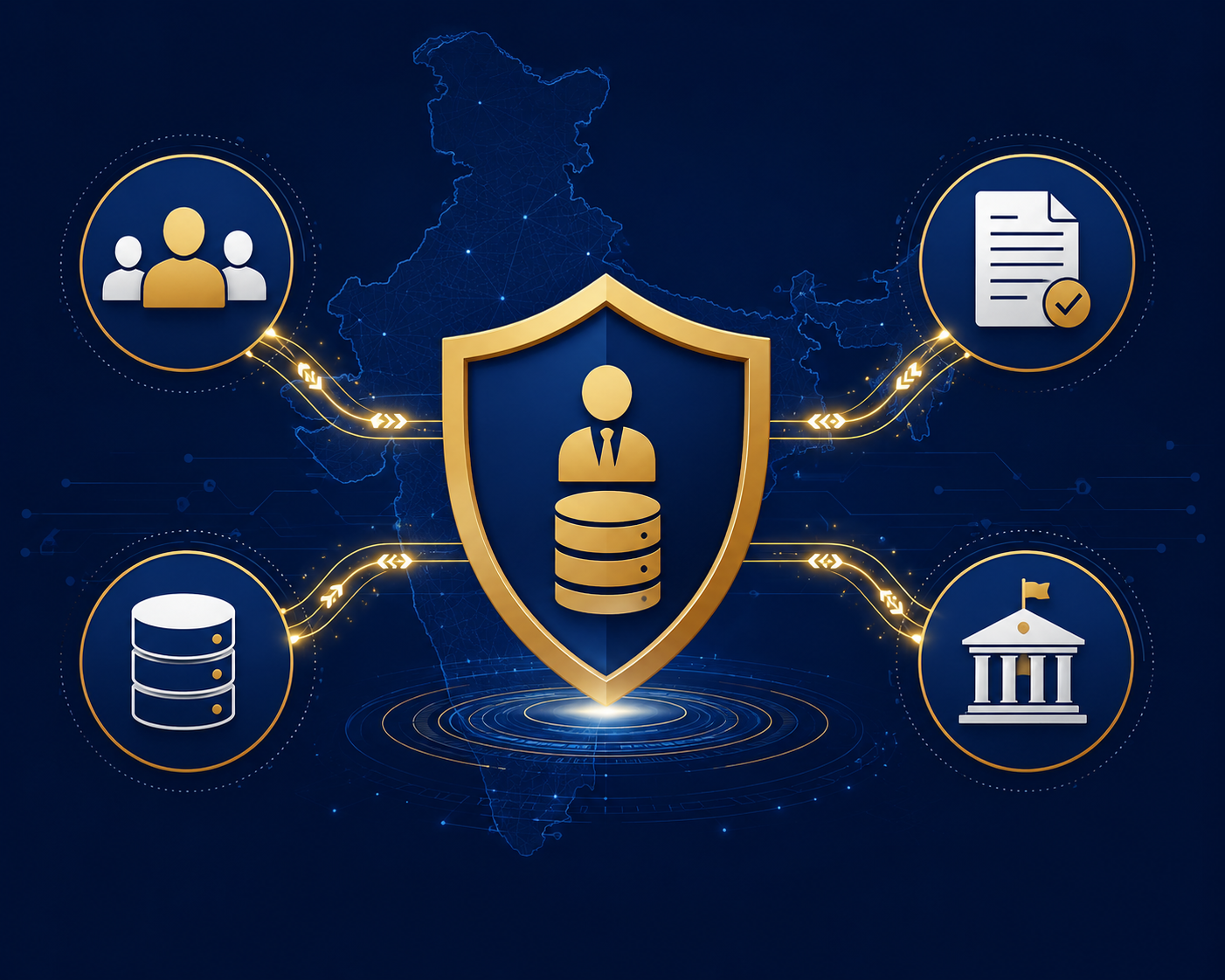
Web3 identity transfers authority from centralized gatekeepers to end users by employing cryptographic keys on distributed ledgers. Instead of logging in with email and password combinations managed by service providers each user controls a wallet address that serves as a unique identifier. This approach removes single points of failure and eliminates third party data harvesting risks.
Decentralized identifiers establish portable identity records across multiple applications and chains. Verifiable credentials allow users to prove aspects of their identity without revealing excessive personal details. This selective disclosure mechanism protects privacy while meeting regulatory requirements such as know your customer and anti money laundering.
The Role of On‑Chain Domains in Web3 Identity
On‑chain domains elevate human friendliness and usability in Web3 by mapping readable names to cryptographic addresses, metadata and even decentralized storage locations. These names reside entirely within blockchain smart contracts making them immune to unauthorized takedowns or alterations. Domain records update only when the private key holder signs a transaction ensuring absolute control.
Use cases range from sending payments to hosting decentralized websites. Instead of long alphanumeric strings users can send funds to simple names such as alice.crypto or brand.nft. Browsers and wallets with native support can resolve these names seamlessly reducing user error and boosting engagement across the ecosystem.
Unstoppable Domains Overview
Unstoppable Domains pioneered the commercial launch of on‑chain naming services offering top level domains such as crypto nft wallet and blockchain across Ethereum Polygon and other networks. The platform employs a one time purchase model eliminating annual renewals and delivering true digital asset ownership.
Their intuitive marketplace and developer friendly APIs accelerate integration for dapp builders brands and metaverse platforms. Users can claim domain names quickly while developers embed resolution libraries to streamline address lookup within their applications. Strategic alliances with major wallet providers, exchange platforms and browser makers further increase utility and brand visibility.
Why ICANN Accreditation Matters for On‑Chain Domains
ICANN accreditation represents formal recognition of a registry by legacy internet governance bodies. Achieving accreditation establishes compliance with global naming policy technical standards and dispute resolution frameworks. This alignment enables blockchain domains to interoperate with the Domain Name System and appear natively in standard browsers without additional plugins or extensions.
Accreditation also provides legal certainty for enterprises, regulators and service providers seeking to leverage on‑chain naming in regulated environments. Hybrid namespace architecture becomes feasible as DNS records and blockchain records coexist with standardized protocols for delegation and transfer. This convergence unlocks new opportunities for website hosting content delivery and secure Internet of Things addressing.
SEO Benefits of On‑Chain Domains
Search engine optimization in Web3 extends beyond traditional text content to decentralized search protocols and indexing platforms. Human readable domain names improve click through rates and memorability when shared across social media forums and messaging channels. Domain names adhering to canonical standards benefit from consistent crawling indexing and ranking across decentralized search layers such as The Graph and IPFS gateways.
Brands securing on‑chain domains protect themselves against cybersquatting phishing and impersonation attacks. Owning the matching domain extension reinforces brand authority within the crypto community and prevents malicious actors from hijacking traffic or minting counterfeit tokens. Over time backlinks from reputable dapps and decentralized directories contribute to domain authority enhancing discoverability across Web3.
Integrating SecureDApp Security Solutions
SecureDApp’s Solidity Shield offers specialized security auditing monitoring and recovery services designed for blockchain based assets and domain registries. Their security audit evaluates smart contract code quality identifies vulnerabilities and delivers remediation guidance to protect your on‑chain namespace infrastructure. Continuous monitoring detects unauthorized domain transfers, front running and DNS poisoning attempts in real time.
For enterprise clients SecureDApp can craft custom multisignature governance frameworks, hardware wallet integrations and key custody policies to safeguard private keys at scale. Their incident response team stands ready to assist with domain recovery and forensic analysis should a compromise occur. This layered security model ensures that your Web3 identity and on‑chain domain investments remain secure throughout their lifecycle.
Best Practices for On‑Chain Domain Adoption
Select domain extensions that align with the primary function of your project such as crypto for payments, NFT for digital collectibles or blockchain for developer portals. Conduct comprehensive security audits before deploying smart contracts or registry services. Employ hardware wallets and multisignature schemes to minimize single key risks and enforce collaborative governance.
Educate users on safe key management techniques emphasizing mnemonic phrase backup secure storage and phishing prevention. Provide clear recovery pathways through social recovery or designated guardians to reduce lockout scenarios. Leverage SecureDApp training workshops developer toolkits and community resources to foster security awareness across your user base.
Future Outlook: Bridging the Gap Between Traditional and Decentralized Naming
As more registries pursue ICANN accreditation the line between legacy DNS and blockchain naming will blur. We can anticipate browser makers incorporating on‑chain resolution protocols directly within core software. Registrars may offer bundled traditional and decentralized domain packages. Enterprises will deploy hybrid websites using smart contracts for key functionality such as content verification and payment collection.
This evolution will usher in an era where digital identity and domain ownership are truly self sovereign yet comply with established policy frameworks. Such developments will accelerate mainstream adoption and enable novel business models that reward community participation and ensure equitable governance.
Conclusion
Web3 identity and on-chain domains are reshaping the future of digital ownership by giving users greater control over their identities, assets, and online presence. As interoperability between traditional internet infrastructure and decentralized networks continues to improve in 2026, blockchain domains are becoming increasingly practical for payments, authentication, digital branding, and decentralized applications.
However, ownership also brings responsibility. Protecting private keys, securing smart contracts, and continuously monitoring blockchain activity are essential for maintaining trust in decentralized ecosystems. Solutions such as SecureDApp’s Secure Watch for real-time threat monitoring and Solidity Shield for comprehensive smart contract audits provide organizations with the security foundation needed to deploy Web3 identity solutions confidently.
Organizations and developers that invest in secure, standards-based identity infrastructure today will be better positioned for the next generation of the decentralized internet, where privacy, transparency, and user ownership become the default rather than the exception.
FAQs
1. What are on-chain domains in Web3?
On-chain domains are blockchain-based domain names stored as smart contracts instead of traditional DNS records. They simplify wallet addresses, enable decentralized websites, and provide users with complete ownership without relying on centralized registrars.
2. How do Web3 identities improve online security?
Web3 identities replace password-based authentication with cryptographic wallets and decentralized identifiers (DIDs). This significantly reduces phishing risks, minimizes data breaches, and gives users full control over their personal credentials.
3. What is the relationship between ICANN and blockchain domains?
ICANN governs the traditional Domain Name System (DNS). As collaboration between ICANN and blockchain naming initiatives evolves, interoperability between conventional websites and decentralized domains is expected to improve, helping accelerate mainstream Web3 adoption.
4. Why are smart contract audits important for on-chain domains?
Blockchain domains rely on smart contracts to manage ownership and transfers. A security vulnerability could allow unauthorized transfers or manipulation. Professional audits using solutions like Solidity Shield help identify and remediate vulnerabilities before deployment.
5. What trends will shape Web3 identity and blockchain domains beyond 2026?
The next phase of Web3 identity is expected to focus on decentralized identity (DID) standards, AI-assisted identity verification, cross-chain interoperability, privacy-preserving authentication using zero-knowledge proofs, and broader enterprise adoption. As these technologies mature, blockchain identities are likely to become a core component of digital authentication across finance, healthcare, education, and government services.