The Rise of Web3 and the Growing Need for Advanced Blockchain Security
As Web3 continues to mature in 2026, decentralized applications (DApps), smart contracts, decentralized finance (DeFi), tokenized real-world assets (RWAs), and Layer-2 blockchain ecosystems are transforming how businesses and individuals interact online. These innovations are creating faster, more transparent, and user-controlled digital experiences while driving adoption across finance, gaming, healthcare, supply chain, and enterprise applications.
However, this rapid growth has also expanded the blockchain attack surface. Smart contract exploits, cross-chain bridge vulnerabilities, wallet compromises, oracle manipulation, and protocol-level attacks continue to pose significant risks to Web3 projects. Even a single security flaw can result in substantial financial losses, reputational damage, and reduced user confidence.
As blockchain ecosystems become increasingly interconnected, security is no longer an optional feature; it is a fundamental requirement for sustainable Web3 growth. Organizations must adopt comprehensive security strategies that combine smart contract auditing, continuous monitoring, threat detection, and secure development practices to protect decentralized applications and digital assets.
This is where SecureDApp plays a vital role by helping businesses build secure, scalable, and trustworthy Web3 applications through advanced blockchain security solutions and proactive risk management.
The Birth of SecureDApp
This growing problem led to the creation of SecureDApp, a blockchain security company dedicated to protecting the future of Web3. SecureDApp understands that strong security is essential for the decentralized world to thrive. Their mission is to build solutions that address the industry’s most urgent challenges.
At the core of SecureDApp’s offerings is deep expertise in smart contract development and security. Their team blends advanced technology with strong domain knowledge to audit, test, and harden DApps. From identifying vulnerabilities to implementing robust safeguards, SecureDApp ensures that the foundation of Web3 is not only innovative but also secure.
A Holistic Approach to Decentralized Security
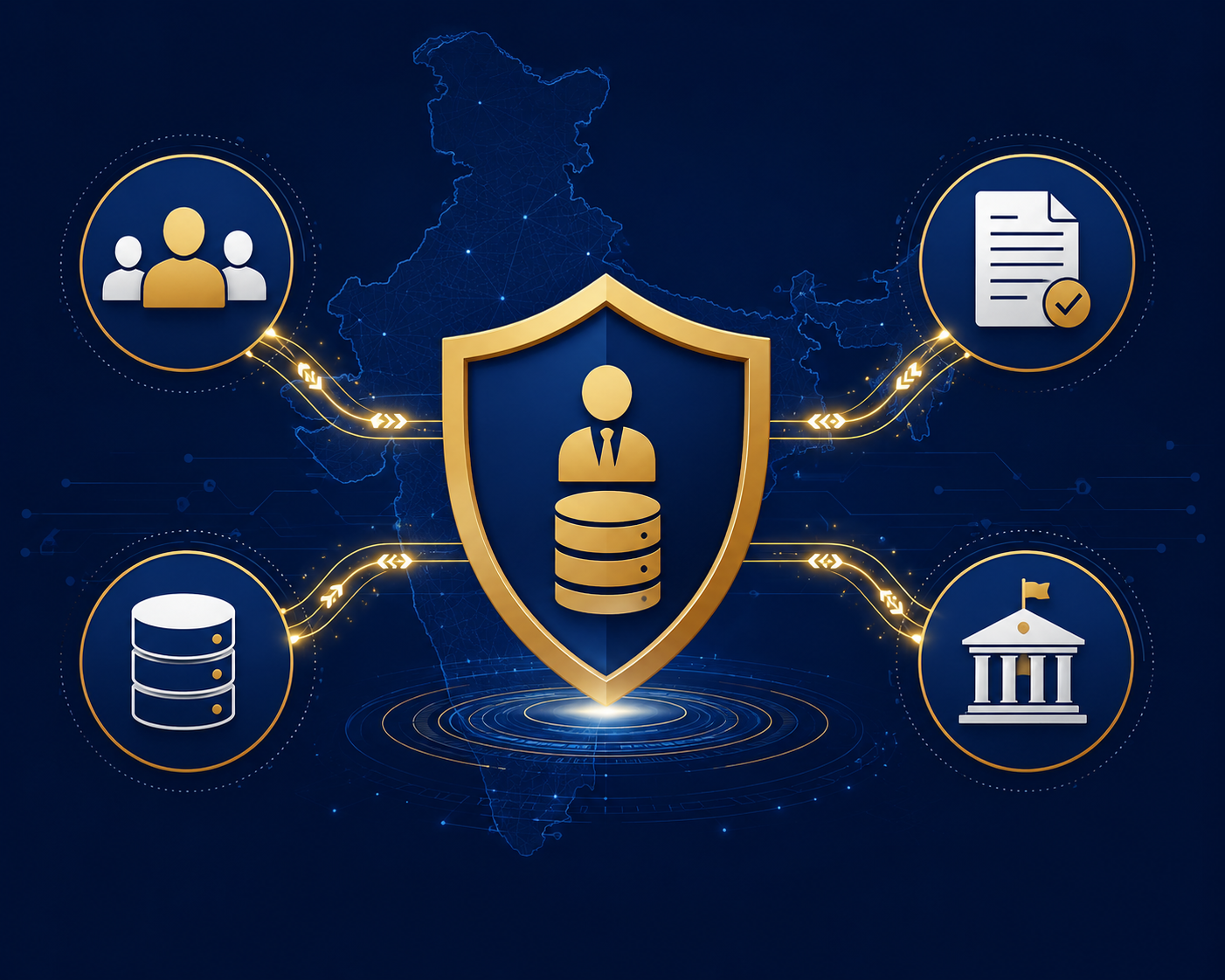
SecureDApp goes beyond smart contract auditing. They analyze the entire decentralized environment to uncover risks at every layer. This includes blockchain infrastructure, system integrations, and overall architectural design. By strengthening each component, they help businesses build resilient, trustworthy DApps that users can confidently rely on.
Imagine a world where decentralized applications operate on a rock-solid security foundation. A world where Web3 can flourish without the constant threat of losing digital assets or compromising user trust. This is the future SecureDApp aims to build.
Democratizing Web3 Development
Security should never be a barrier. Recognizing this, SecureDApp developed a user-friendly no-code platform that allows developers of all experience levels to build secure and affordable DApps. This approach democratizes Web3 development, opening the door for more innovators to participate without sacrificing safety.
By removing the need for advanced coding skills, SecureDApp empowers creators from all backgrounds. Anyone can now build blockchain applications with confidence, knowing their ideas are protected by industry-grade security from day one.
Building a Security-Focused Web3 Community
SecureDApp’s impact goes far beyond products. They are investing in a strong, collaborative Web3 community committed to security. Their upcoming hackathon is one example of how they are supporting the next wave of Web3 builders. By offering tools, insights, and best practices, SecureDApp is equipping young creators to build safer decentralized solutions.
Through collaboration with developers, security specialists, and industry leaders, SecureDApp is driving meaningful innovation while ensuring that trust and reliability remain at the forefront. They understand that Web3 can only succeed if the community grows together with a shared commitment to security.
A Secure and Promising Future for Web3
As Web3 evolves, the demand for strong security solutions continues to rise. With SecureDApp leading the way, the decentralized world can finally reach its true potential. Businesses and users can explore new opportunities while knowing their digital assets and trust are protected.
Imagine an internet where innovation and security coexist seamlessly. A world where Web3’s full power is unlocked without the constant fear of hacks or vulnerabilities. This is the future SecureDApp is working tirelessly to build: one defined by trust, transparency, innovation, and unshakeable security.
FAQs
1. Why is blockchain security more important than ever in 2026?
As Web3 adoption expands across decentralized finance (DeFi), gaming, enterprise applications, and tokenized real-world assets, blockchain ecosystems are becoming more complex. Strong security measures help protect smart contracts, digital assets, user data, and decentralized infrastructure from increasingly sophisticated cyber threats.
2. What are the most common security risks for decentralized applications (DApps)?
Common DApp security risks include smart contract vulnerabilities, reentrancy attacks, access control issues, flash loan exploits, oracle manipulation, phishing attacks, private key compromises, and cross-chain bridge vulnerabilities. Regular security audits and continuous monitoring help reduce these risks.
3. Why are smart contract audits essential before launching a Web3 project?
Smart contract audits identify coding errors, logic flaws, and potential vulnerabilities before deployment. A comprehensive audit helps improve contract reliability, protects user funds, enhances investor confidence, and reduces the likelihood of costly security incidents after launch.
4. How does SecureDApp help businesses build secure blockchain applications?
SecureDApp provides end-to-end blockchain security services, including smart contract auditing, vulnerability assessments, secure smart contract development, blockchain consulting, penetration testing, and continuous security monitoring. These services help organizations deploy secure and scalable decentralized applications with greater confidence.
5. What are the biggest blockchain security trends in 2026?
Key blockchain security trends include AI-assisted threat detection, automated smart contract analysis, real-time on-chain monitoring, cross-chain security solutions, zero-knowledge (ZK) privacy technologies, enhanced wallet security, secure Layer-2 infrastructure, and continuous security validation throughout the software development lifecycle.