Introduction
As digital identity becomes a cornerstone of the Web3 ecosystem in 2026, decentralized identity (DID) is gaining momentum as a secure alternative to traditional username-and-password authentication. With phishing attacks, credential theft, and data breaches continuing to target crypto users and enterprises, decentralized identity gives individuals greater control over their personal information through cryptographic verification and blockchain-based credentials. Instead of relying on centralized databases, DID enables secure, privacy-preserving authentication that minimizes the risk of stolen credentials. This guide explores how decentralized identity works, its role in combating phishing attacks, the challenges it still faces, and why it is becoming a critical building block for the future of secure Web3 applications.
What Is Decentralized Identity in Web3?
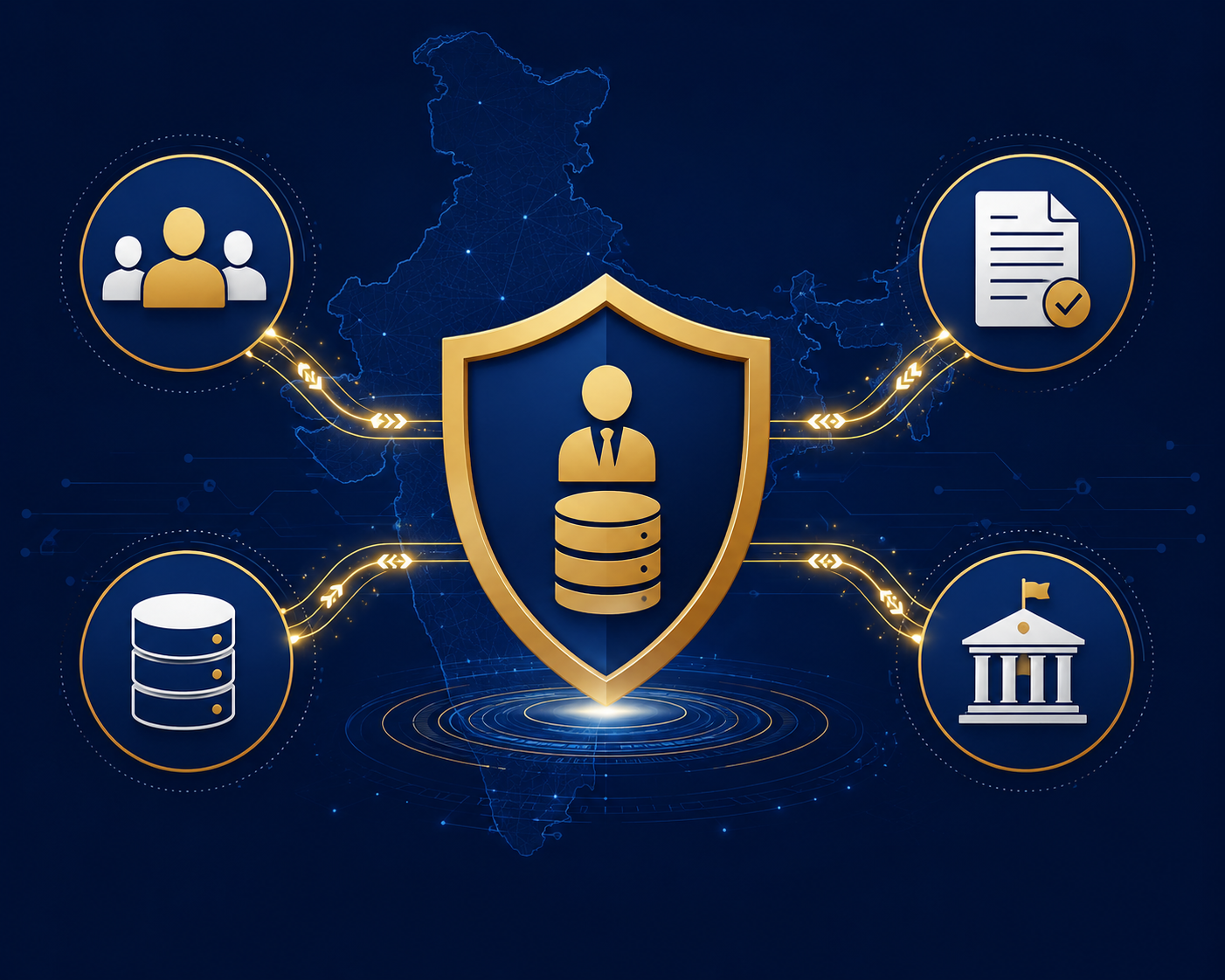
At its core, decentralized identity (DID) empowers individuals to maintain ownership of their personal information. A DID is a unique identifier stored on a blockchain that links to cryptographic keys under the user’s control. These keys allow the holder to create verifiable credentials digital statements about identity attributes such as age, membership status, or professional certifications. Issuers like educational institutions or employers sign these credentials cryptographically. When a user needs to prove an attribute to a service or dApp, they present a proof derived from their credentials without exposing excess data.
This concept upends traditional identity systems where sign-in data is held in centralized databases vulnerable to mass breaches and phishing exploits. For a detailed technical overview of DID standards, visit the W3C DID Core Specification to explore design principles and data models.
How Decentralized Identity Could Thwart Phishing Attacks
Phishing relies on deceiving victims into revealing credentials to malicious actors. Even sophisticated two‑factor authentication can be bypassed if users are tricked into providing one-time codes through counterfeit sites or fake apps. Decentralized identity eliminates this attack vector in several ways:
– Cryptographic Authentication
Rather than typing in a password or code, users sign an authentication challenge with their private key stored in a secure wallet. Phishers cannot capture or reuse this signature because it is unique to each session and cannot be duplicated.
– Selective Disclosure
Users share only the specific data needed to transact. For instance, proving you are over 18 without revealing your date of birth. Phishers seeking full identity profiles find themselves blocked by zero‑knowledge proofs that disclose nothing beyond the verified claim.
– Self‑sovereign Control
By storing DIDs and credentials in personal wallets whether hardware, mobile, or browser‑based users avoid centralized honeypots. Even if a credential issuer is compromised, attackers cannot impersonate users without direct wallet access.
Real‑World Implementations and Early Results
Several Web3 projects already illustrate the security benefits of decentralized identity:
– BrightID
A social graph‑based DID solution that prevents Sybil attacks by verifying unique, real‑world identities without centralized authorities. This approach has been used to distribute tokens and manage governance voting where one person, one vote is crucial.
– uPort
Built on Ethereum, uPort issues self‑sovereign identity credentials that users present to dApps without passwords. This platform demonstrates how DID can streamline KYC processes while minimizing data exposure.
– Sovrin Network
An independent public utility for identity, Sovrin uses Hyperledger Indy to anchor DIDs and credential schemas. Its ledger‑agnostic design allows interoperability across blockchains, accelerating adoption in financial and healthcare sectors.
Early pilots report drastic reductions in phishing incidents. Organizations replacing password‑based logins with wallet‑based authentication see near‑zero credential theft, since attackers cannot replay cryptographic signatures.
Decentralized Identity: Challenges to Overcome
Despite the promise, widespread adoption of DID faces hurdles:
– User Experience
Managing private keys remains daunting for non‑technical users. Intuitive wallet designs and seamless recovery methods are essential to prevent loss of access or reliance on custodial services that reintroduce central points of failure.
– Interoperability
A fragmented ecosystem of ledger protocols and DID methods can stall network effects. Cross‑chain bridges, standardized schemas, and universal resolvers are needed so credentials issued on one network are accepted universally.
– Regulatory Alignment
Global regulations on data protection, digital identity, and anti‑money laundering require careful mapping to decentralized models. Collaborative frameworks between regulators and Web3 projects will ensure compliance without stifling innovation.
Strengthening Security with SecureDApp’s Secure Watch
As decentralized identity ecosystems grow, continuous monitoring of blockchain activity is critical for early threat detection. Secure Watch brings real‑time threat intelligence to public ledger data. By analyzing on‑chain transactions and wallet behaviors, Secure Watch identifies phishing hotspots, impersonation attempts, and unauthorized credential issuance. Integrating these alerts into identity wallets enables automated risk assessment before users approve any operations. Discover how Secure Watch can enhance your Web3 defenses by visiting our dedicated solution page.
Ensuring Trust with Solidity Shield Smart Contract Audits
Verifiable credentials and decentralized identifiers pivot on the reliability of underlying smart contracts. Security flaws in credential issuance or verification code can undermine the entire framework. Solidity Shield provides comprehensive smart contract audits tailored for identity modules, token logic, and wallet contracts. Our expert team reviews code for vulnerabilities such as reentrancy, integer overflow, and access control issues. By certifying contract integrity, Solidity Shield ensures that decentralized identity deployments remain impervious to exploits.
Future Outlook: Can Decentralized Identity Eliminate Phishing Forever?
While decentralized identity drastically raises the bar for would‑be attackers, no system can claim absolute immunity. Threat actors continuously evolve, and attackers might target end‑user devices or social engineering vectors outside the cryptographic flow. Nonetheless, DID’s phishing‑resistant architecture means credential theft becomes economically unviable compared to legacy systems. As wallet usability improves and interoperability matures, decentralized identity could become the default authentication layer across the internet.
The next few years will reveal whether DID reaches critical mass. Continued investment in education, open standards such as those from the W3C, and enterprise pilots will drive mainstream acceptance. Security partners like SecureDApp ensure that the supporting infrastructure monitoring, audits, wallet software remains robust against emerging threats.
Conclusion
Decentralized Identity in Web3 offers a paradigm shift in online security. By replacing reusable passwords and centralized databases with cryptographic proofs and self‑sovereign credentials, Web3 identity frameworks render phishing attacks largely ineffective. While challenges around UX, regulation, and standardization remain, innovative solutions like Secure Watch and Solidity Shield strengthen the ecosystem’s resilience. Although phishing may never vanish entirely, decentralized identity brings us closer than ever to an internet where trust is built into every digital handshake.
FAQs
1. What is decentralized identity (DID) in Web3?
Decentralized identity (DID) is a blockchain-based identity system that allows users to own and control their digital identities using cryptographic keys and verifiable credentials instead of relying on centralized identity providers.
2. How does decentralized identity help prevent phishing?
DID replaces passwords with cryptographic authentication. Users verify their identity by signing requests with private keys, making it much harder for attackers to steal login credentials through phishing websites.
3. Are decentralized identities completely secure?
No. While DID significantly reduces phishing and credential theft, users must still protect their wallets, private keys, and recovery phrases from malware, scams, and social engineering attacks.
4. Where is decentralized identity being used today?
Decentralized identity is being adopted in Web3 wallets, decentralized applications (dApps), digital credentials, enterprise authentication, DAO governance, and blockchain-based KYC and access management solutions.
5. What is the future of decentralized identity in Web3?
As interoperability standards improve and user-friendly wallets become more common, decentralized identity is expected to play a major role in Web3 authentication, digital privacy, and secure online interactions across industries.