
Introduction
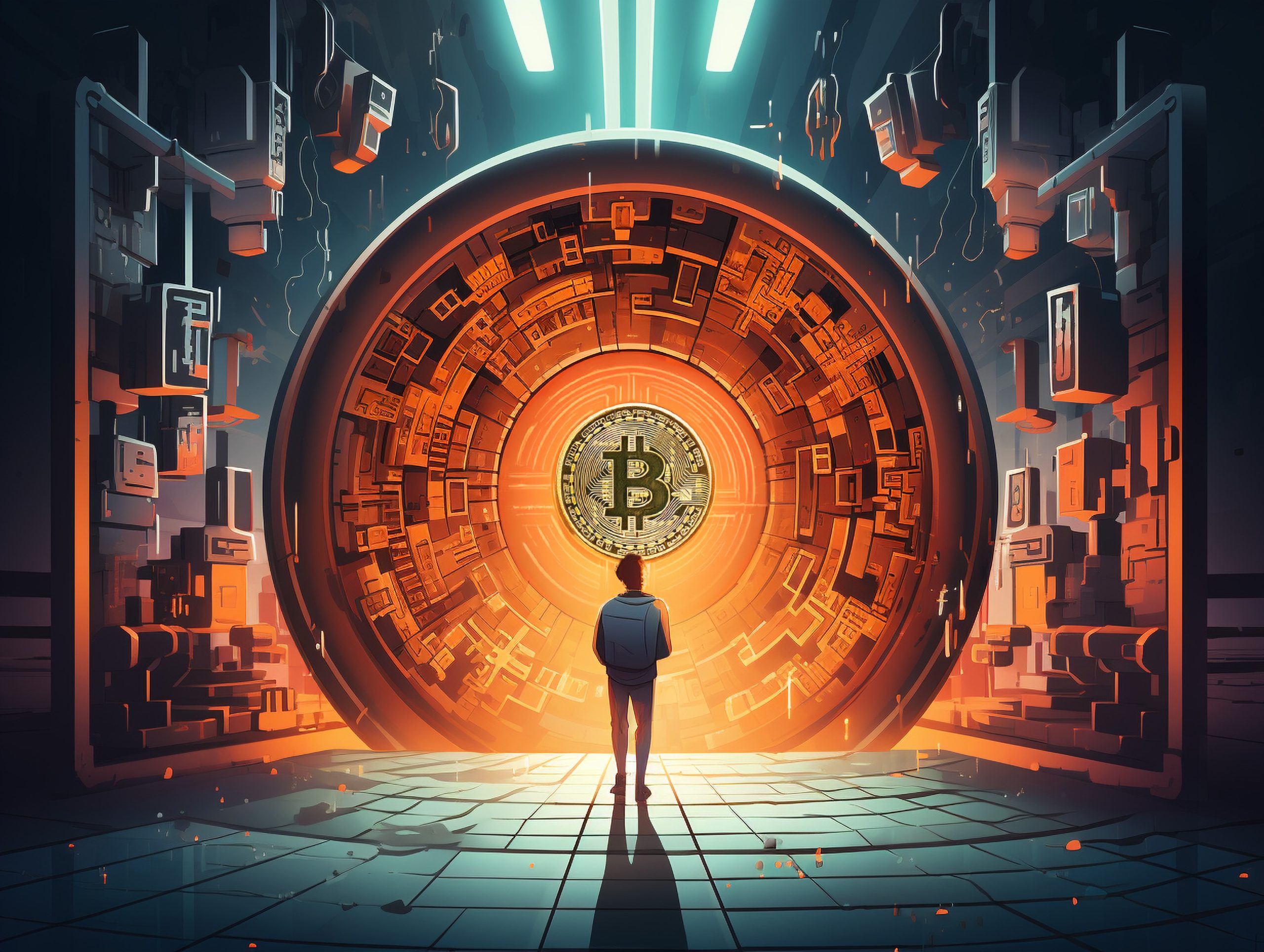
The tokenization of Real-World Assets (RWAs) has become one of the fastest-growing sectors in blockchain and digital finance. In 2026, financial institutions, enterprises, and governments are increasingly exploring tokenized real estate, commodities, bonds, private credit, and other physical assets to improve liquidity, transparency, and global accessibility. By converting ownership rights into blockchain-based digital tokens, organizations can simplify transactions, enable fractional ownership, and reduce settlement times while maintaining secure and verifiable records.
As tokenization continues to bridge traditional finance (TradFi) and decentralized finance (DeFi), security and regulatory compliance have become more important than ever. This article explains what real-world assets are, how tokenization works, its key use cases, and how SecureDApp helps protect tokenized ecosystems through advanced blockchain security solutions.
Understanding Real-World Assets in Blockchain
Real-World Assets include both physical and intangible items from the traditional financial system. These may include real estate, commodities, stocks, bonds, luxury goods, or intellectual property. When these assets move to the blockchain, they gain transparency, faster settlement, and global accessibility. Tokenized RWAs also support fractional ownership, which allows more people to invest in markets that were once restricted.
For example, an investor no longer needs to buy an entire property. Instead, they can buy smaller digital fractions of a real estate token. In the same way, tokenized gold or oil can be traded without the need for physical handling or storage.
How Tokenization of Real-World Assets Works
Tokenization converts asset ownership rights into digital blockchain tokens. The process follows several clear steps:
1. Asset Verification
Experts check the asset’s authenticity, ownership, and legal status. This step ensures trust and compliance.
2. Smart Contract Deployment
Developers create a smart contract that defines ownership rules, trading terms, and regulatory requirements.
3. Token Minting
The asset is divided into digital tokens. Each token represents a fraction of the asset.
4. Trading and Transfer
Investors buy, sell, or trade these tokens on blockchain platforms. The blockchain records each transaction securely.
5. Regulatory Compliance
The tokens must follow local and global financial rules.
This structured process keeps the value of the original asset intact while adding the benefits of blockchain efficiency.
Advantages of Real-World Asset Tokenization
Tokenizing RWAs provides several important benefits:
Increased Liquidity
Illiquid assets, such as real estate, become easier to trade when divided into smaller tokens.
Greater Accessibility
Anyone with an internet connection can access global investment opportunities.
Lower Costs
Blockchain removes middlemen, which reduces fees and speeds up settlements.
High Transparency
Every transaction appears on the blockchain, creating a clear and immutable record.
Fast and Efficient Settlement
Smart contracts automate processes and reduce delays.
Global Reach
Investors from anywhere can participate in tokenized asset markets.
These advantages make tokenization a powerful tool for modernizing financial systems.
Challenges and Risks in RWA Tokenization
Even with its benefits, RWA tokenization faces several challenges:
Regulatory Uncertainty
Countries follow different rules, making compliance difficult for global projects.
Smart Contract Risks
Bugs, coding errors, or vulnerabilities can result in financial loss.
Market Volatility
Digital representations of assets may experience sudden price changes.
Legal Ownership Issues
Clear legal frameworks are necessary to enforce ownership of tokenized assets.
Security Threats
Hackers and cyberattacks can target tokenized platforms or wallets.
These challenges highlight the need for strong security and proper compliance measures.
How SecureDApp Ensures Safe Tokenization of RWAs
SecureDApp offers advanced tools that protect tokenized assets at every stage.
Audit Express
This service provides fast and reliable smart contract audits. It identifies risks before deployment and ensures that contracts follow strong security standards.
SecureWatch
SecureWatch delivers real-time monitoring and alerts for suspicious activity. It helps teams react quickly and protect their tokenized assets.
Regulatory Compliance Support
SecureDApp guides blockchain projects through complex financial regulations. It also provides best practices for secure tokenization.
With SecureDApp, projects can tokenize real-world assets confidently and securely.
Use Cases of Real-World Asset Tokenization
Tokenization is creating new opportunities across many industries:
Real Estate Investment
Investors can buy fractional ownership in properties. Smart contracts also simplify rental agreements and revenue distribution.
Gold and Commodity Trading
Tokenized commodities allow instant and secure global trading without physical storage.
Stock and Bond Tokenization
Securities become digital, borderless, and easier to trade. Settlement becomes faster, and paperwork reduces.
Luxury Goods and Collectibles
Assets such as watches, artwork, or sports memorabilia can be tokenized for fractional investment.
Carbon Credits and ESG Tokens
Tokenization brings transparency to carbon credit trading and helps promote sustainable initiatives.
These examples show how tokenization is reshaping investment opportunities across different sectors.
The Future of RWA Tokenization
As blockchain adoption grows, tokenization will continue to influence global financial systems. Key trends include:
Integration with DeFi
Tokenized assets will act as collateral in lending, borrowing, and yield-generation platforms.
Institutional Adoption
Banks and financial institutions are exploring tokenized assets to improve efficiency and reduce costs.
Cross-Border Transactions
Tokenization will enable faster and more affordable global settlements.
AI and Automation
AI will improve smart contract execution, risk detection, and overall security.
SecureDApp will continue to play a leading role in securing these advancements, creating a safer digital asset ecosystem.
Conclusion
Real-World Asset tokenization is transforming traditional finance by increasing liquidity, accessibility, and transparency. Although regulatory and security challenges remain, strong solutions can address these issues effectively. SecureDApp supports this transformation with tools like Audit Express and SecureWatch, ensuring safe and compliant tokenization.
As the adoption of RWAs grows, businesses, investors, and regulators must work together to build a secure and inclusive financial future powered by blockchain technology.
FAQs
1. What are Real-World Assets (RWAs) in blockchain?
Real-World Assets (RWAs) are physical or traditional financial assets—such as real estate, commodities, bonds, stocks, invoices, or artwork—that are represented as digital tokens on a blockchain. Tokenization makes these assets easier to trade, transfer, and manage while improving transparency and accessibility.
2. Why is RWA tokenization gaining popularity in 2026?
RWA tokenization is growing because it enables fractional ownership, faster settlement, improved liquidity, lower transaction costs, and global investment opportunities. Financial institutions, asset managers, and blockchain platforms are increasingly adopting tokenization to modernize traditional asset markets and improve operational efficiency.
3. What are the biggest challenges in tokenizing real-world assets?
The primary challenges include evolving regulations, legal recognition of digital ownership, smart contract vulnerabilities, cybersecurity risks, and integrating blockchain platforms with traditional financial infrastructure. Proper compliance and security audits are essential for successful tokenization.
4. How does SecureDApp improve the security of tokenized assets?
SecureDApp helps secure tokenized assets through Audit Express for comprehensive smart contract audits, SecureWatch for real-time blockchain monitoring and threat detection, and compliance-focused security practices that reduce vulnerabilities and protect blockchain applications from attacks.
5. What is the future of Real-World Asset (RWA) tokenization?
The future of RWA tokenization looks promising as more financial institutions, enterprises, and governments explore blockchain-based asset management. In the coming years, tokenized assets are expected to integrate more closely with decentralized finance (DeFi), support faster cross-border transactions, and enable broader access to traditionally illiquid investments. As regulatory frameworks mature and blockchain security improves, RWA tokenization is likely to become a key component of the global digital economy.