
Introduction
Blockchain technology is reshaping industries around the world. One of its most powerful applications is the tokenization of real-world assets. Tokenization converts physical assets—such as real estate, artwork, commodities, or financial instruments—into digital tokens stored on a blockchain. This shift increases liquidity, enables fractional ownership, and brings transparency and security to asset transactions.
With blockchain’s decentralized and tamper-proof nature, tokenized real-world assets (RWAs) are redefining how ownership works. Investors can now access markets that previously required high capital, faced geographical restrictions, or involved lengthy and complex processes.
In this article, you will learn how tokenization works, its benefits, challenges, and how SecureDApp protects tokenized assets through strong security and compliance features.
How Tokenization of Real-World Assets Works
Tokenization follows a clear and structured process. Each step ensures that real-world assets can be represented and traded safely on a blockchain.
1. Asset Verification and Valuation
The process begins with a detailed verification of the asset. Experts check its authenticity, ownership, and market value. This step prevents fraud and ensures compliance with financial regulations. As a result, investors can trust the asset’s legitimacy.
2. Smart Contract Deployment
Next, developers create a smart contract that digitally represents the asset. This contract outlines ownership rights, transfer rules, and compliance requirements. Since smart contracts run automatically, they enforce these rules without any intermediaries.
3. Token Minting
After deploying the smart contract, the asset is divided into digital tokens. Each token represents a fraction of the asset’s value. Investors can then purchase these tokens and gain direct exposure to the underlying asset.
4. Marketplace Listing and Trading
The tokens are listed on blockchain-based marketplaces. Here, investors can buy, sell, or trade them easily. Smart contracts handle the transactions instantly and transparently. This automation reduces the need for third parties and speeds up the entire process.
5. Regulatory Compliance and Security Measures
Regulatory compliance plays a major role in successful tokenization. Every asset must follow local and international financial rules. To strengthen security, real-time monitoring and audits protect platforms from fraud, cyberattacks, and unauthorized activity.
Benefits of Tokenizing Real-World Assets
Tokenization introduces several advantages that transform traditional investment models.
Enhanced Liquidity
Assets like real estate and fine art are usually illiquid, but tokenization makes them easier to buy or sell. Investors can trade fractional shares anytime, which increases market participation.
Fractional Ownership
Tokenization allows investors to own a portion of high-value assets. This approach makes premium investment opportunities more accessible to everyone, not just large institutions.
Reduced Transaction Costs
Since blockchain removes intermediaries, investors enjoy lower fees and faster transactions.
Greater Transparency
Every transaction is recorded on a public or semi-public ledger. This transparency reduces fraud and builds trust among participants.
Improved Security
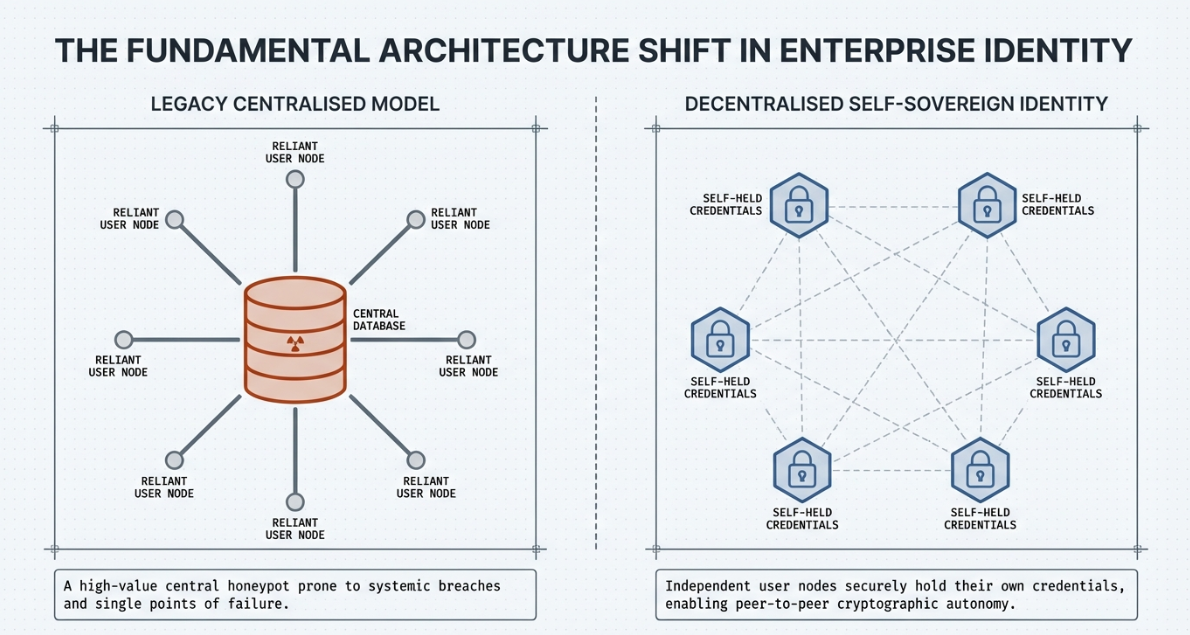
Blockchain’s decentralized structure protects tokenized assets from tampering and manipulation. It creates a secure environment for storing and transferring ownership.
Challenges and Risks in Asset Tokenization
Although tokenization offers many advantages, several challenges still exist.
Regulatory Uncertainty
Different regions implement different digital asset laws. Navigating these rules can be complex for global businesses.
Smart Contract Risks
Poorly written smart contracts can lead to exploits. A single vulnerability may cause major financial losses.
Market Volatility
Digital asset markets often face sharp price movements. This volatility may affect the value of tokenized assets.
Legal Recognition and Ownership Rights
Ensuring that tokenized ownership is legally enforceable remains a major challenge, especially across countries.
Security Threats
Cyberattacks, phishing, and hacking attempts continue to affect digital asset platforms, making security a top priority.
How SecureDApp Protects Tokenized Assets
SecureDApp offers strong solutions that safeguard tokenized assets and help businesses stay compliant.
Audit Express
This feature performs a detailed audit of smart contracts before deployment. It identifies vulnerabilities early and ensures that the contract runs safely.
SecureWatch
SecureWatch provides real-time monitoring, alerts, and threat detection. It helps platforms stop fraudulent activities and unauthorized access immediately.
Regulatory Compliance Support
SecureDApp guides projects through complex financial regulations. This support helps businesses launch and manage tokenized assets legally and confidently.
With SecureDApp’s tools, companies and investors can participate in tokenization without worrying about compliance failures or security breaches.
Use Cases of Tokenized Real-World Assets
Tokenization is transforming many industries. Some major use cases include:
Real Estate
Investors can buy fractional shares of residential or commercial properties, lowering the barrier to entry.
Fine Art and Collectibles
High-value artwork and collectibles become more accessible and liquid through tokenization.
Commodities
Assets such as gold, oil, or agricultural products can be traded globally as digital tokens.
Stocks and Bonds
Financial instruments become borderless and easier to trade, improving market efficiency.
Carbon Credits and ESG Assets
Tokenization brings transparency to carbon credit tracking and trading, supporting sustainable initiatives.
The Future of Tokenized Real-World Assets
The world of tokenized assets continues to grow, and several trends are shaping its future.
Integration with DeFi
Tokenized assets will soon be used as collateral for decentralized lending, borrowing, and staking.
Institutional Adoption
Banks and financial institutions are exploring tokenization to simplify asset management and reduce operational costs.
Cross-Border Transactions
Blockchain enables fast, low-cost, and borderless asset transfers, making global markets more connected.
AI and Automation
Combining AI with smart contracts will streamline security, risk detection, and compliance in tokenization ecosystems.
SecureDApp will continue to support this growth by offering strong security frameworks for the expanding tokenized economy.
Conclusion
Tokenization is transforming how people buy, sell, and manage assets. It increases liquidity, expands access, and brings transparency to traditional markets. Although regulatory and technical challenges remain, the technology offers enormous potential for reshaping global finance.
SecureDApp’s security solutions Audit Express and SecureWatch play a vital role in ensuring safe, compliant, and trustworthy asset tokenization. As blockchain adoption grows, tokenized assets will bridge the gap between traditional finance and the digital economy, unlocking new investment opportunities for everyone.