
Introduction
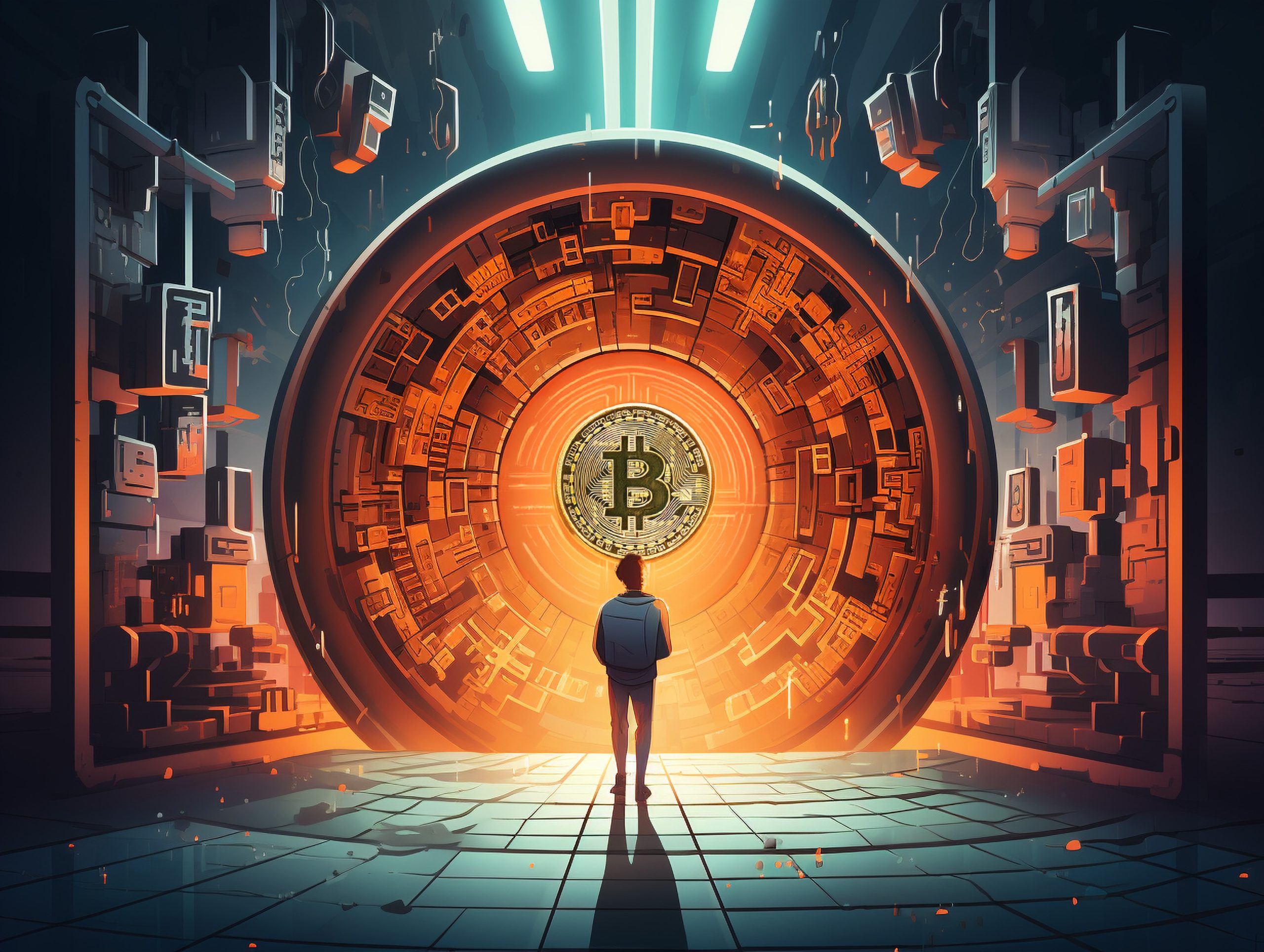
The gaming industry is entering a new era in 2026, where blockchain technology is redefining digital ownership through Non-Fungible Tokens (NFTs). Rather than existing solely within centralized game servers, in-game assets such as characters, weapons, skins, collectibles, and virtual land can now be owned, traded, and verified on the blockchain. This shift toward secure, on-chain asset ownership gives players greater control over their digital assets while enabling developers to build transparent, player-driven economies.
As blockchain gaming continues to evolve, success depends on more than NFT adoption alone. Secure smart contracts, scalable blockchain infrastructure, seamless wallet integration, and continuous security monitoring have become essential for protecting players and maintaining trust. This guide explores how NFTs are transforming gaming, the benefits of on-chain ownership, and the security practices that will shape the future of Web3 gaming in 2026 and beyond.
Why on-chain ownership matters for players
True ownership means a player can prove they own an item at any time without trusting a single company to hold records. On-chain NFTs provide timestamped proof and an immutable history of transfers. That record reduces fraudulent duplication and restores value to long-term players who invest time and money into an ecosystem. For communities that trade, collect, and compete, that trust is essential. Players gain interoperable assets that can move between experiences when games adopt common standards.
NFTs in Gaming: The Shift Toward Secure, On-Chain Asset Ownership explained
The shift toward secure, on-chain asset ownership revolves around three simple promises. The first promise is provenance where every token has a transparent origin and history. The second promise is portability since standards allow assets to be recognized across titles and marketplaces. The third promise is resilience because decentralized ledgers do not suffer the single point of failure that central servers do. When developers and toolchains prioritize secure on-chain patterns, these promises become realities for millions of players.
How developers balance creativity and security
Game makers want player freedom but also need to protect ecosystems from exploits. Smart contracts automate ownership rules, marketplaces settle trades, and custodial choices determine who can move an asset. That complexity makes security tooling vital. Audits and continuous monitoring help close vulnerabilities before they become costly breaches. Secure Watch from SecureDApp monitors live blockchain events and alerts teams to abnormal activity. Solidity Shield from SecureDApp performs deep smart contract audits that reduce surface area for hacks and exploits. These services enable studios to innovate without sacrificing trust.
Practical benefits for game economies
On-chain NFTs change monetization models in ways that benefit both studios and players. Developers can create royalty streams that automatically pay creators when assets change hands. Players can recoup value by selling rare items on open marketplaces. Secondary markets flourish and the community captures more of the lifetime value generated inside the game. Transparent supply controls also reduce inflationary pressures that erode item value in centralized economies.
Common concerns and how to address them
Critics raise three recurring concerns about NFTs in gaming. The first concern is environmental impact. Modern networks and layer two solutions are improving energy efficiency while alternative chains offer low cost and lower carbon options. The second concern is market speculation. Responsible design mitigates speculation by aligning item issuance with gameplay needs and capping rare drops. The third concern is security. Rigorous smart contract audits and onchain monitoring shrink risk. Teams that combine preventative measures like Solidity Shield with active monitoring like Secure Watch can respond faster to anomalies and keep players safe.
Design patterns that work for secure on-chain assets
Successful projects separate the core game logic from ownership mechanics. Asset metadata can live off-chain for fast iteration while provenance and ownership live on-chain. Minting can be staged so that token distribution matches player progression and economic forecasts. Clear user experiences for wallet onboarding and recovery reduce user error. Finally, a combination of automated audits and manual review catches both common pitfalls and edge cases before launch.
Interoperability and the player experience
Interoperability depends on standards and open market integrations. When titles adopt common token standards, players experience less friction when moving assets between worlds. Marketplaces become more liquid and player driven. That fluidity unlocks creative collaborations among studios and builds richer cross game narratives. For players, the emotional payoff is stronger when items they earned can be used where they want and when they want.
The regulatory and legal landscape
Regulation around digital assets is evolving. Studios and platforms should seek legal clarity early and design token utilities with compliance in mind. Clear terms of service and transparent token economics help players understand rights and limitations. Teams that proactively couple legal review with technical audits reduce future friction and build long term credibility.
Getting started for studios and indie developers
Start small and iterate. Pilot a limited on-chain asset drop, audit the contracts with a trusted provider, and monitor the live environment for suspicious patterns. A typical first step is to work with services that specialize in blockchain security and monitoring. Solidity Shield from SecureDApp helps ensure smart contracts meet industry standards and reduce risk before any token mint. Secure Watch keeps a finger on live activity so teams can act fast when a problem arises. Combining these steps with a simple, clear onboarding experience for players reduces friction and builds early momentum.
Looking ahead
As infrastructure matures, NFTs in gaming will become less about hype and more about building resilient, player first economies. The future will favor teams that prioritize security, fairness, and transparent mechanics. Players will benefit from true ownership, developers will unlock new monetization patterns, and communities will thrive across open marketplaces and interoperable worlds.
For developers who want a deeper technical primer there is a helpful internal resource at /blog/nft-gaming-guide and for general ecosystem context visit Ethereum for standards and tooling details. To explore security services and continuous monitoring for blockchain games visit SecureDApp and learn more about Secure Watch and Solidity Shield. These tools help teams move from experimental drops to sustainable on-chain economies.
Conclusion
The shift toward secure, on-chain asset ownership is an inflection point for interactive entertainment. When studios pair thoughtful economic design with robust security tooling and clear player experiences the result is durable value for everyone involved. NFTs in gaming will succeed when ownership is not only possible but safe, understandable, and aligned with players and creators alike.
Frequently Asked Questions (FAQs)
1. What does on-chain asset ownership mean in blockchain gaming?
On-chain asset ownership means that in-game items are recorded on a blockchain instead of being stored solely on a game’s centralized servers. Players can independently verify ownership of their NFTs, trade them through compatible marketplaces, and maintain control of their digital assets without relying entirely on the game publisher.
2. Why are NFTs important in modern gaming?
NFTs enable players to own unique digital assets with verifiable authenticity and scarcity. They support player-driven economies, allow secure trading of collectibles, unlock exclusive in-game experiences, and give developers new opportunities to create sustainable monetization models while increasing player engagement.
3. How do developers secure NFT-based gaming ecosystems?
Developers strengthen blockchain gaming security by conducting smart contract audits, implementing secure wallet authentication, monitoring blockchain activity in real time, protecting marketplace transactions, and regularly testing their infrastructure for vulnerabilities. Layered security helps prevent exploits and protects player assets.
4. Can NFT gaming improve interoperability between games?
Yes. When games adopt widely accepted blockchain token standards, NFTs can potentially be recognized across multiple platforms, marketplaces, and compatible gaming ecosystems. Although full interoperability depends on developer support, standardized blockchain infrastructure makes cross-game asset portability increasingly achievable.
5. What is the future of NFTs in gaming?
The future of NFT gaming is expected to focus on utility rather than speculation. As blockchain technology matures, NFTs will increasingly power player identities, digital memberships, interoperable assets, creator economies, virtual worlds, and tokenized in-game rewards. Combined with stronger security, better user experiences, and scalable blockchain networks, NFT-based ownership is likely to become a core component of next-generation gaming ecosystems.