
Introduction
As Web3 adoption accelerates in 2026, phishing attacks have become more sophisticated than ever. Instead of targeting passwords, attackers now exploit wallet signatures, malicious smart contracts, fake decentralized applications (DApps), and AI-generated phishing campaigns to steal digital assets. Since blockchain transactions are irreversible, even a single mistaken approval can result in permanent financial loss.
To address these evolving threats, Decentralized Identity (DID) is emerging as one of the most promising security innovations in the Web3 ecosystem. By enabling cryptographically verifiable identities for users, wallets, DApps, and organizations, DID helps establish trust without sacrificing decentralization or user privacy. In this article, we’ll explore how Decentralized Identity works, why phishing continues to challenge Web3 security, and how DID-powered authentication can significantly reduce phishing risks while creating a safer blockchain ecosystem.
Understanding Web3 Phishing
Web3 phishing works differently from Web2. Instead of stealing passwords, attackers trick users into signing malicious transactions. Once a user signs one of these, the results are permanent. There are no password resets or support tickets only irreversible loss.
Common Web3 phishing tactics include:
- Fake wallet-connect prompts imitating MetaMask or WalletConnect
- Clone DApps that look legitimate but contain hidden traps
- Malicious links shared on Discord, Telegram, or DAO channels
- Airdrop scams that lure users to unsafe smart contracts
- Approval scams that give hackers spending control of wallets
These scams succeed because Web3 does not have a built-in way to verify identity. A wallet address gives users control, but it does not confirm who or what is on the other side of a transaction.
What Is Decentralized Identity (DID)?
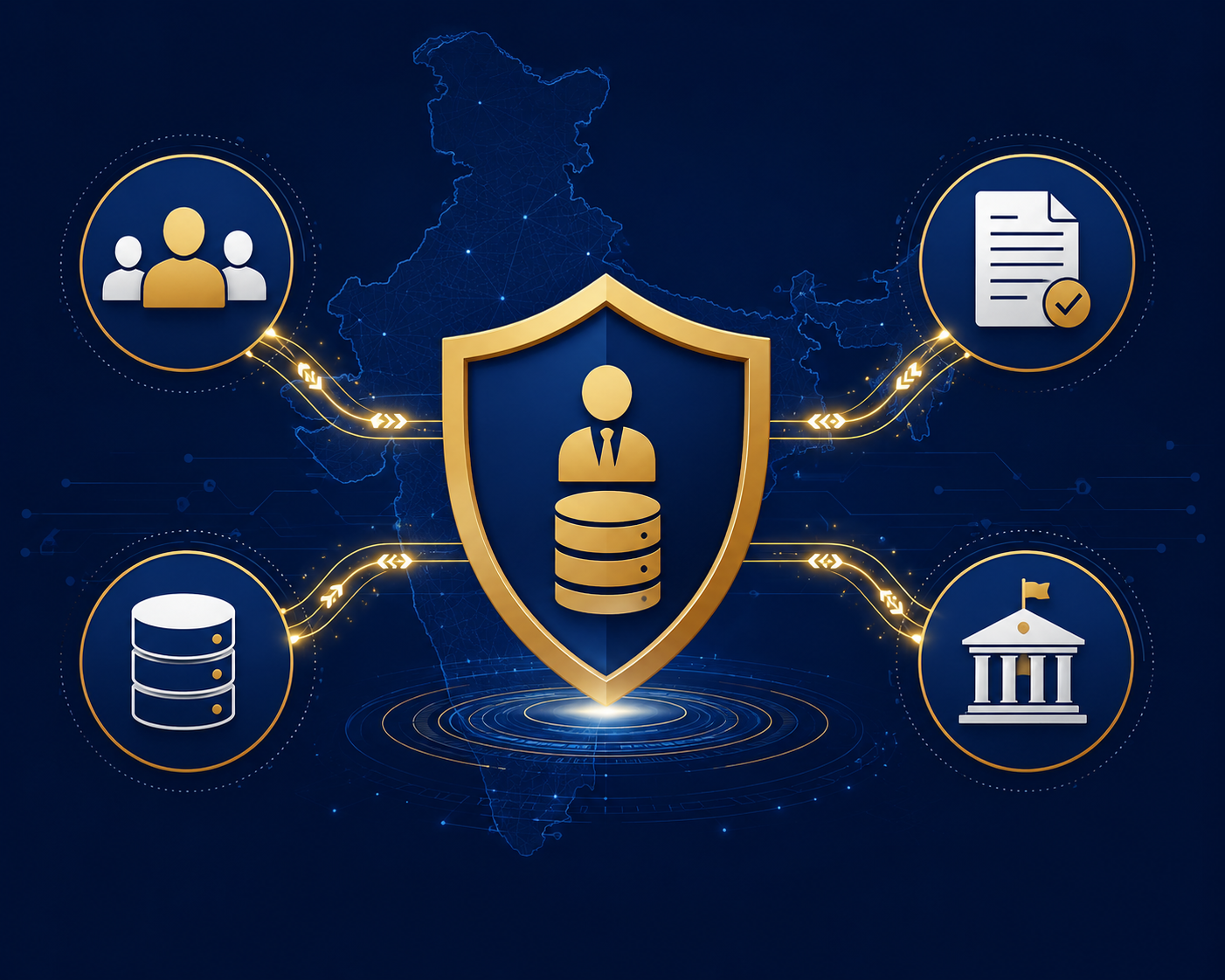
Decentralized Identity (DID) is a self-sovereign identity model where users control their identity without relying on centralized systems like corporate servers or government databases.
A DID is:
- Cryptographically secure: Verified using digital signatures and anchored to blockchain systems.
- Portable and interoperable: Usable across various apps, chains, and services.
- Privacy-preserving: Supports selective sharing of identity details.
- User-owned: Managed directly by the individual.
A DID can represent:
- A wallet
- A user profile
- A DApp
- A smart contract
It can also include verifiable credentials such as KYC verification, DAO membership, or platform reputation. Trusted issuers sign these credentials, and anyone can verify them on-chain or off-chain.
How DIDs Help Prevent Phishing in Web3
1. Authenticating DApps and Smart Contracts
With DIDs, DApps can prove their identity using verifiable credentials. Instead of trusting a site that claims to be Uniswap, users can check the DApp’s DID and confirm whether a trusted issuer verified it.
Platforms like SecureDApp can issue credentials showing that:
- A contract is audited
- A DApp is legitimate
- A platform follows compliance standards
Wallets can show these credentials before users interact, making it much harder for fake DApps to deceive people.
2. Strengthening Wallet Interactions
Phishing often starts with a fake wallet-connect prompt. DID-enabled wallets can authenticate the user and the DApp during connection. This mutual verification helps users avoid spoofed interfaces.
Additionally, DID-aware wallets can display more context before a signature. For example:
- Verifiable credentials of the DApp
- Security alerts from Secure Watch
- Warnings about unverified or risky contracts
If a contract looks suspicious or lacks credentials, the wallet can warn or block the action entirely.
3. Building Reputation Systems
Web3 lacks a native reputation layer. Wallets are anonymous, and many attackers use fresh wallets. DIDs solve this by attaching reputation scores to identities.
With DID-based reputation, users can:
- Spot bots or scam accounts
- Avoid new or unverified wallets
- Join DAOs and airdrops based on trust
- Evaluate on-chain behavior with more context
A wallet with no credentials, no history, and no endorsements immediately becomes suspicious.
4. Verifying Transactions Through Trusted Contracts
Most Web3 transactions still look confusing, and users often sign them without understanding the details. DID-linked contract verification can fix this.
Tools like Solidity Shield can help wallets check:
- Whether a contract has a verified DID
- Whether it passed security audits
- Whether it matches known safe contract versions
If the contract fails these checks, the wallet alerts the user before signing.
This step alone can prevent many approval scams and spoofed swap attacks.
5. Improving Security in Communities and DAOs
Phishing is common in community spaces such as Discord and Telegram, often through fake admin messages. DIDs can protect these spaces by verifying moderators and leaders.
Communities can use DIDs to:
- Restrict admin roles to verified identities
- Gate important channels
- Show public credentials next to usernames
- Prevent fake announcements or admin impersonation
Attackers using new or unverified identities will struggle to gain trust.
Challenges to DID Adoption
Although DIDs offer strong protection, some challenges slow adoption:
- Limited standardization: Different DID systems still compete.
- Complex user experience: Many users still struggle with basic wallet safety.
- Low ecosystem support: Only a few wallets and apps support DIDs today.
However, phishing continues to rise, and regulators demand stronger identity verification. These pressures will likely accelerate DID adoption across the Web3 ecosystem.
The Role of SecureDApp
Security tools alone cannot eliminate phishing, but they can significantly reduce risk when combined with DIDs. SecureDApp.io offers a full security stack including:
- Solidity Shield for contract safety
- Secure Watch for monitoring threats
- Identity-aligned risk detection
Together with DID systems, these tools create an adaptive security framework.
Imagine a future wallet workflow:
- The DApp’s DID is verified.
- The contract passes Solidity Shield checks.
- Secure Watch confirms no suspicious activity.
- The user’s DID reputation allows the transaction.
Each layer reduces the chance of phishing success.
Final Thoughts
Phishing remains one of the most effective attack methods, especially in Web3 where anonymity and irreversible transactions benefit attackers.
Decentralized Identity (DID) gives users and DApps a new way to prove their identity through cryptography instead of trust.
As wallets, platforms, and security tools adopt DID systems, phishing attacks will become harder to execute and easier to detect. With the right solutions, such as those from SecureDApp, the Web3 ecosystem can evolve into a safer and more trustworthy space for everyone.
The future of identity is decentralized, and it’s arriving when we need it most.
FAQs
1: Can Decentralized Identity completely eliminate Web3 phishing attacks?
No. While Decentralized Identity (DID) significantly reduces phishing risks by enabling trusted identity verification, it cannot eliminate every attack. Users should still verify transaction details, avoid suspicious links, and use wallets with built-in phishing detection and transaction simulation features.
2: Which industries can benefit from DID besides Web3?
Decentralized Identity has applications beyond blockchain. Industries such as healthcare, banking, education, government services, supply chain management, and enterprise identity management can use DID to provide secure, privacy-preserving digital identity verification while reducing identity fraud.
3: How do DID-enabled wallets improve transaction security?
DID-enabled wallets can verify the identities of DApps, smart contracts, and organizations before users approve transactions. They can also display security credentials, audit status, and risk warnings, allowing users to make more informed decisions before signing blockchain transactions.
4: Is Decentralized Identity compatible with KYC and regulatory compliance?
Yes. Modern DID frameworks support Verifiable Credentials (VCs), allowing users to prove information such as KYC verification, age, or residency without revealing unnecessary personal data. This helps organizations meet compliance requirements while preserving user privacy.
5: Why is Decentralized Identity becoming more important in 2026?
As Web3 ecosystems expand across DeFi, tokenized real-world assets (RWAs), AI agents, and cross-chain applications, establishing trusted digital identities has become increasingly important. DID helps reduce phishing attacks, improve authentication, strengthen regulatory compliance, and create safer interactions between users, wallets, and decentralized applications, making it a foundational technology for the next generation of Web3 security.