
Blockchain has quickly become one of the most transformative innovations of the 21st century. Although it began as the backbone of Bitcoin, it has now grown into a powerful technology influencing industries far beyond cryptocurrencies. Its core strengths—decentralization, transparency, immutability, and security—make it a natural fit for sectors like finance, healthcare, governance, logistics, and entertainment.
However, as blockchain adoption accelerates, industries also face new challenges around scalability, regulation, interoperability, and security. In this blog, we explore how blockchain is reshaping global systems, the opportunities it opens up, the hurdles that still exist, and why strong security solutions remain crucial for the future.
Understanding Blockchain Technology
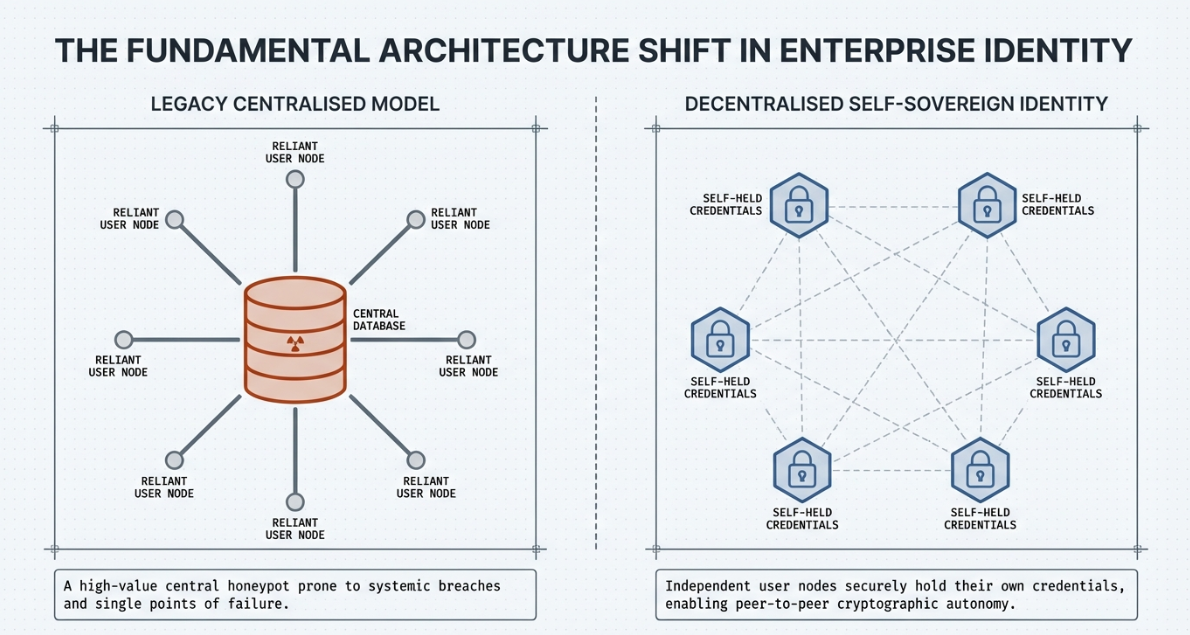
At its simplest, blockchain is a distributed ledger that stores transactions across multiple computers. Instead of relying on a central authority, it operates through a decentralized network, which reduces manipulation risks and increases trust.
Key Features of Blockchain
- Decentralization: Data is spread across many nodes instead of one server.
- Transparency: Everyone on the network sees the same data, which builds trust.
- Immutability: Once recorded, data cannot be altered, ensuring integrity.
- Smart Contracts: Automated contracts execute predefined rules without intermediaries.
Because of these features, organizations worldwide see blockchain as a way to improve efficiency, cut costs, and strengthen security.
How Blockchain Is Creating Opportunities Across Industries
Blockchain’s flexibility has opened the door to innovation in multiple sectors, redefining how organizations operate.
1. Financial Services
Blockchain is transforming finance by enabling faster, cheaper, and more secure transactions.
- Cross-Border Payments: It eliminates intermediaries, reducing time and cost.
- Tokenization: Real estate, art, stocks, and other assets can be tokenized for fractional ownership.
- Decentralized Finance (DeFi): Platforms like Uniswap and Aave enable lending, borrowing, and trading without central institutions.
2. Supply Chain and Logistics
Supply chains benefit from blockchain’s ability to ensure accuracy and traceability.
- Provenance Tracking: Businesses can finally verify a product’s full journey.
- Smart Contracts: Automated processes reduce delays and disputes.
- Fraud Prevention: Immutable data minimizes counterfeiting risks.
3. Healthcare
Healthcare systems rely heavily on data, and blockchain helps secure it.
- Secure Medical Records: Patients retain control while enabling safe sharing with doctors.
- Drug Traceability: It verifies authenticity from manufacturer to consumer.
- Clinical Trials: Transparent data storage reduces manipulation and builds reliability.
4. Governance and Public Sector
Governments are exploring blockchain to improve transparency, fairness, and operational efficiency.
- E-Voting: Tamper-proof voting systems increase trust in elections.
- Land Registry: Immutable records help settle property disputes faster.
- Digital Identity: Blockchain-based IDs reduce fraud and enhance service delivery.
5. Entertainment and Media
The media industry is using blockchain to protect creators and strengthen fan engagement.
- Royalty Distribution: Smart contracts guarantee timely and accurate payouts.
- Content Authentication: Digital media becomes harder to pirate.
- Fan Engagement: NFTs and tokenized systems deepen the creator–audience connection.
Challenges Slowing Blockchain Adoption
Even with its promise, blockchain must overcome several challenges before reaching mainstream adoption.
1. Scalability
Popular networks like Bitcoin and Ethereum struggle with high transaction loads, leading to delays and rising fees. Although solutions such as Layer-2 scaling and sharding exist, they are not yet universal.
2. Regulatory Uncertainty
Governments worldwide are still trying to craft balanced regulations. This uncertainty often discourages businesses from adopting blockchain fully.
3. Interoperability
Most blockchains operate in silos. Without smooth cross-chain communication, transferring data or assets remains difficult.
4. Security Concerns
Although blockchain itself is secure, applications built on top of it—especially smart contracts—frequently contain vulnerabilities. High-profile hacks highlight the need for stronger security practices.
5. Energy Consumption
Proof-of-Work networks consume heavy energy. As a result, the shift toward sustainable consensus mechanisms like Proof-of-Stake is becoming essential.
6. User Experience
Many blockchain apps still feel complex. To attract mainstream users, platforms must become easier to navigate.
Why Security Is Key to Blockchain’s Future
As adoption rises, security becomes even more critical. While blockchains are resilient, smart contracts, dApps, and wallets introduce attack surfaces that malicious actors can exploit.
1. Securing Smart Contracts
Smart contracts run automation on blockchain networks. When poorly written, they create loopholes. This is where auditing and real-time monitoring tools like SecureDApp’s SecureWatch become invaluable, as they detect vulnerabilities before attackers exploit them.
2. Safeguarding Digital Assets
Hackers frequently target wallets and exchanges. Multi-signature wallets, cold storage, and strong key-management practices help protect users and organizations.
3. Ensuring Data Integrity
dApps often depend on oracles for external data. Securing these oracles is crucial to prevent data manipulation.
4. Rapid Incident Response
When threats appear, immediate action matters. Continuous monitoring and automated alerts ensure faster response times and reduced damage.
How SecureDApp Is Leading the Future of Blockchain Security
SecureDApp plays a key role in strengthening Web3 and blockchain ecosystems. Its real-time monitoring solution, SecureWatch, delivers continuous visibility into smart contracts and on-chain activity.
What SecureWatch Offers
- Real-Time Monitoring: Constant oversight of blockchain transactions.
- Threat Detection: Identification of risks like reentrancy, flash loan exploits, and oracle attacks.
- Actionable Insights: Developers receive clear mitigation steps for each issue.
- High Scalability: It performs efficiently even during large network activity.
SecureDApp bridges the gap between pre-deployment audits and live runtime security—something the blockchain world desperately needs.
Building a Future-Proof Blockchain Ecosystem
For blockchain to reach its full potential, industries must take a layered approach to innovation.
Improving Scalability
Layer-2 solutions, sharding, and sidechains will boost transaction speeds and reduce congestion.
Enhancing Security
Continuous monitoring, robust audits, and proactive protection tools—like SecureWatch—will reinforce trust.
Strengthening Interoperability
Cross-chain standards will enable seamless movement across networks and expand the capabilities of dApps.
Promoting Sustainability
Eco-friendly consensus models and renewable energy usage will make blockchain more climate-friendly.
Simplifying User Experience
Better design, intuitive apps, and educational content will help blockchain reach everyday users.
Conclusion: Blockchain’s Journey Has Only Just Begun
Blockchain is reshaping industries by delivering unprecedented levels of transparency, efficiency, and security. Its potential is enormous, but unlocking that potential requires solving challenges around scalability, regulation, security, and usability.
With forward-thinking innovations like SecureDApp’s SecureWatch, the blockchain ecosystem is steadily becoming more secure, scalable, and resilient. As organizations, developers, and regulators come together, we can shape a decentralized future that is inclusive, sustainable, and built on trust.
The journey has only begun—and blockchain’s impact will continue to grow as the world embraces a more transparent and connected digital era.