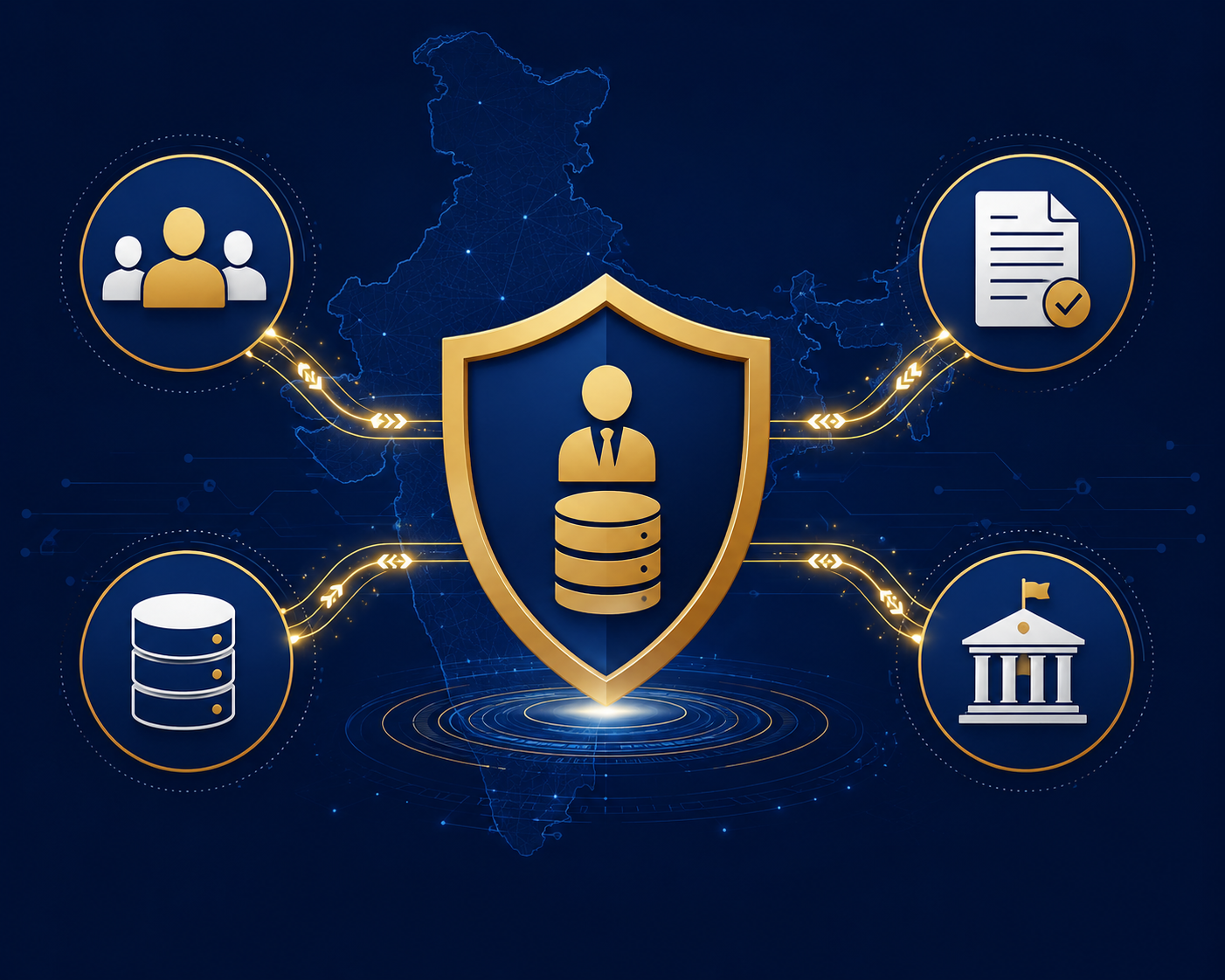

Blockchain technology and Decentralized Finance (DeFi) continue to reshape how businesses manage financial transactions, digital assets, governance, and supply chain operations. In 2026, organizations across industries are increasingly adopting blockchain to improve transparency, automate business processes, reduce operational costs, and build more secure digital ecosystems. At the same time, DeFi is expanding access to financial services by enabling lending, borrowing, asset tokenization, and decentralized governance without relying on traditional financial intermediaries.
Powered by blockchain networks and smart contracts, these innovations help businesses streamline operations, improve trust between stakeholders, and unlock new revenue opportunities through programmable financial systems. From tokenized real-world assets (RWAs) and decentralized autonomous organizations (DAOs) to blockchain-powered supply chains, decentralized technologies are becoming an important part of enterprise digital transformation.
This guide explores how blockchain and DeFi are changing modern business operations, the key technologies driving adoption, practical use cases, and the benefits organizations can gain from embracing decentralized innovation.
Decentralized Lending and Borrowing
DeFi introduces blockchain-based lending protocols that allow people and businesses to lend or borrow funds directly. Since these systems remove the need for banks, the entire process becomes faster, cheaper, and far more accessible. Additionally, smart contracts automate every step, reducing paperwork and eliminating unnecessary middlemen.
Key advantages include:
- Easier business transactions because third parties are removed.
- Full control over your lending assets.
- The ability to leverage assets for greater financial flexibility.
- Automated and transparent processes driven by smart contracts.
Asset Tokenization
Asset tokenization converts traditional assets such as shares, commodities, or real estate into digital tokens. These tokens serve as digital proof of ownership and can be traded or transferred on a blockchain. Consequently, tokenized assets offer higher liquidity and stronger transparency than most traditional financial instruments.
Business benefits include:
- Liquidity: Tokenization unlocks liquidity for traditionally illiquid assets without requiring loans.
- Lending opportunities: Companies can use tokenized assets as collateral or lend them for additional revenue.
- Direct access: Since assets exist on-chain, owners can access or transact with them instantly.
- Transparency: A public ledger records all transactions, making every step fully auditable.
Real-World Examples of Asset Tokenization
Several global organizations already use tokenization:
- Goldman Sachs’ Digital Asset Platform (DAP)
Goldman Sachs built its Digital Asset Platform on the Canton blockchain. In partnership with the European Investment Bank (EIB), the platform supports digital asset issuance, registration, and custody. EIB even issued its second euro-denominated digital bond on this system. - Hamilton Lane × Securitize
Hamilton Lane partnered with Securitize to tokenize its direct equity fund on Polygon. Through this initiative, investors gain easier access to private markets, secondary transactions, and direct equities. - Siemens’ Digital Bond
Siemens issued its first fully digital bond on Polygon. This one-year maturity bond uses blockchain for faster, more efficient transactions while still settling proceeds through traditional banks.
Decentralized Autonomous Organizations (DAOs)
A Decentralized Autonomous Organization (DAO) operates through programmable smart contracts instead of traditional management structures. As a result, groups can make collective decisions, execute actions automatically, and maintain complete transparency.
A well-designed DAO rests on four core pillars:
Smart Contracts
Smart contracts enforce rules, automate decisions, and trigger actions once conditions are met. Because they run on a blockchain, anyone can audit proposals, voting results, or contract logic at any time.
Decentralized Governance
DAOs rely on blockchain-based voting systems. Typically, token holders receive voting power, although caps can prevent any single participant from gaining excessive control.
Tokens
Tokens create membership, distribute ownership, and establish voting rights. They give contributors a sense of ownership, aligning incentives across the community.
Treasury
A DAO treasury funds operations, growth initiatives, asset purchases, and contributor rewards. Members vote on treasury spending to maintain transparency.
How Businesses Can Use DAOs
Businesses can adopt DAO-style governance to improve decision-making, increase employee participation, and enhance organizational transparency. Furthermore, token-based reward models can motivate employees by giving them a meaningful stake in the company’s success.
Blockchain-based Supply Chain Management
supply chain management is one of the most promising real-world blockchain applications. Because supply chains involve manufacturers, suppliers, distributors, auditors, and retailers, they often become complicated. Blockchain, however, introduces traceability, transparency, and accountability at every stage of product movement.
By transitioning to a blockchain-powered supply chain, companies can streamline workflows, improve communication, and reduce errors regardless of their size.
Benefits of Blockchain-based Supply Chain Management
- Operational Efficiency
Blockchain maps and visualizes supply chains, giving businesses real-time access to verified, immutable data. - Improved Trust
All information stored on-chain is transparent, authenticated, and instantly verifiable. - Faster Product Recalls
Blockchain helps companies quickly identify affected goods, reducing recall costs and improving response time. - Reduced Counterfeiting
Since sourcing and logistics data remain validated on-chain, businesses can prove product authenticity. - Automated Tracking
Smart contracts track assets throughout their lifecycle, record updates, and maintain complete histories.
Case Example: Walmart Canada
Walmart Canada used blockchain technology to resolve payment disputes involving more than 70 third-party freight carriers. After implementing a blockchain network, the company eliminated most recurring issues and significantly improved operational performance.
Conclusion
Blockchain and DeFi continue to reshape how businesses operate. Through decentralized lending, asset tokenization, DAOs, and blockchain-based supply chain management, companies can unlock new efficiencies, strengthen transparency, and create innovative revenue streams. When implemented effectively, these technologies can transform traditional business models and drive long-term growth.
FAQs
1. What is the difference between blockchain and DeFi?
Blockchain is the decentralized technology that securely records and verifies transactions across distributed networks. Decentralized Finance (DeFi) is a collection of blockchain-based financial services that use smart contracts to provide lending, borrowing, trading, payments, and other financial activities without traditional intermediaries.
2. How can businesses benefit from DeFi?
Businesses can use DeFi to access decentralized lending, improve liquidity, reduce transaction costs, automate financial agreements through smart contracts, tokenize assets, and participate in transparent blockchain-based financial ecosystems that operate around the clock.
3. What is asset tokenization, and why is it important?
Asset tokenization converts ownership of physical or digital assets into blockchain-based digital tokens. This enables fractional ownership, improves liquidity, simplifies asset transfers, enhances transparency, and creates new investment opportunities for businesses and investors.
4. How does blockchain improve supply chain management?
Blockchain provides an immutable record of every transaction throughout the supply chain, allowing businesses to track products in real time, reduce fraud, verify authenticity, improve inventory visibility, simplify audits, and respond more efficiently to product recalls.
5. What are the biggest blockchain and DeFi trends in 2026?
Key trends include Real-World Asset (RWA) tokenization, institutional DeFi adoption, AI-powered blockchain analytics, decentralized identity solutions, Layer-2 blockchain scaling, cross-chain interoperability, smart contract automation, and enterprise blockchain integration across finance, healthcare, logistics, and manufacturing.