
Blockchain technology continues to gain momentum in 2026, and India is rapidly establishing itself as one of the world’s leading blockchain innovation hubs. What began as the technology behind cryptocurrencies has evolved into a powerful foundation for digital identity, supply chain management, financial services, healthcare, government services, and tokenized real-world assets (RWAs). With increasing enterprise adoption, supportive state-level initiatives, and growing interest in Web3, blockchain is becoming a key driver of India’s digital transformation.
Government agencies, financial institutions, startups, and global technology companies are actively exploring blockchain to improve transparency, automate processes, strengthen cybersecurity, and reduce operational costs. Initiatives such as the Digital Rupee (e₹), blockchain-powered land record modernization, and enterprise blockchain deployments demonstrate India’s commitment to building a secure and innovation-driven digital economy. This article explores the current state of blockchain adoption in India, recent regulatory developments, leading use cases, emerging opportunities, and the challenges that will shape the country’s blockchain future.
What Is Blockchain Technology?
Blockchain is a decentralized digital ledger that records transactions securely and transparently. Instead of relying on a central authority, it ensures data integrity through cryptographic hashing and consensus mechanisms. Since each block is linked to the previous one, altering records becomes extremely difficult.
For businesses, blockchain reduces intermediaries, cuts operational costs, and improves efficiency. As a result, sectors like finance, supply chain, and healthcare are adopting it at a rapid pace.
The Blockchain Landscape in India
Indian Companies Leading Blockchain Adoption
India has become a global hub for blockchain innovation. Both startups and established enterprises are integrating blockchain to improve trust and transparency.
Supply Chain Management
Case Study: ITC uses blockchain to bring transparency to agricultural supply chains. Farmers, distributors, and consumers can all view a tamper-proof ledger, which promotes fairness and ensures consistent product quality.
Banking & Finance
ICICI Bank pioneered blockchain-based trade finance solutions, which significantly reduced processing time. Likewise, HDFC and Yes Bank are experimenting with blockchain for cross-border payments and digital KYC.
Healthcare
Startups like Zebi are using blockchain to securely store and share patient data. This approach enhances privacy and drastically reduces the risk of data breaches.
The Government of India’s Blockchain Vision
The Government of India sees blockchain as a catalyst for efficiency, innovation, and transparent governance. Consequently, several initiatives are already underway.
Digital India Initiative
Blockchain aligns naturally with the Digital India agenda of modernizing governance and public services.
Example: Telangana and Andhra Pradesh use blockchain to manage land records, ensuring immutability and reducing disputes.
Blockchain in Governance
NITI Aayog has championed blockchain adoption across healthcare, agriculture, and logistics.
Case Study: Its drug-supply-chain pilot helped combat counterfeit medicines by creating full traceability.
Cryptocurrency & Digital Rupee
Although cautious about cryptocurrencies, India has taken decisive steps. In 2023, the RBI launched the Digital Rupee (e₹), a blockchain-based CBDC, marking a major milestone in financial innovation.
Changing Legal Landscape for Blockchain in India
Past Challenges
Regulatory uncertainty initially slowed blockchain adoption. The 2018 RBI banking restriction on crypto led to temporary setbacks. However, the Supreme Court removed this restriction in 2020, reopening the path for innovation.
Evolving Regulations
India has gradually introduced rules to support responsible adoption.
Crypto Taxation (2022)
The government implemented a 30% tax on crypto gains. Despite being strict, the move legitimized digital assets and encouraged more structured development.
Data Protection Laws
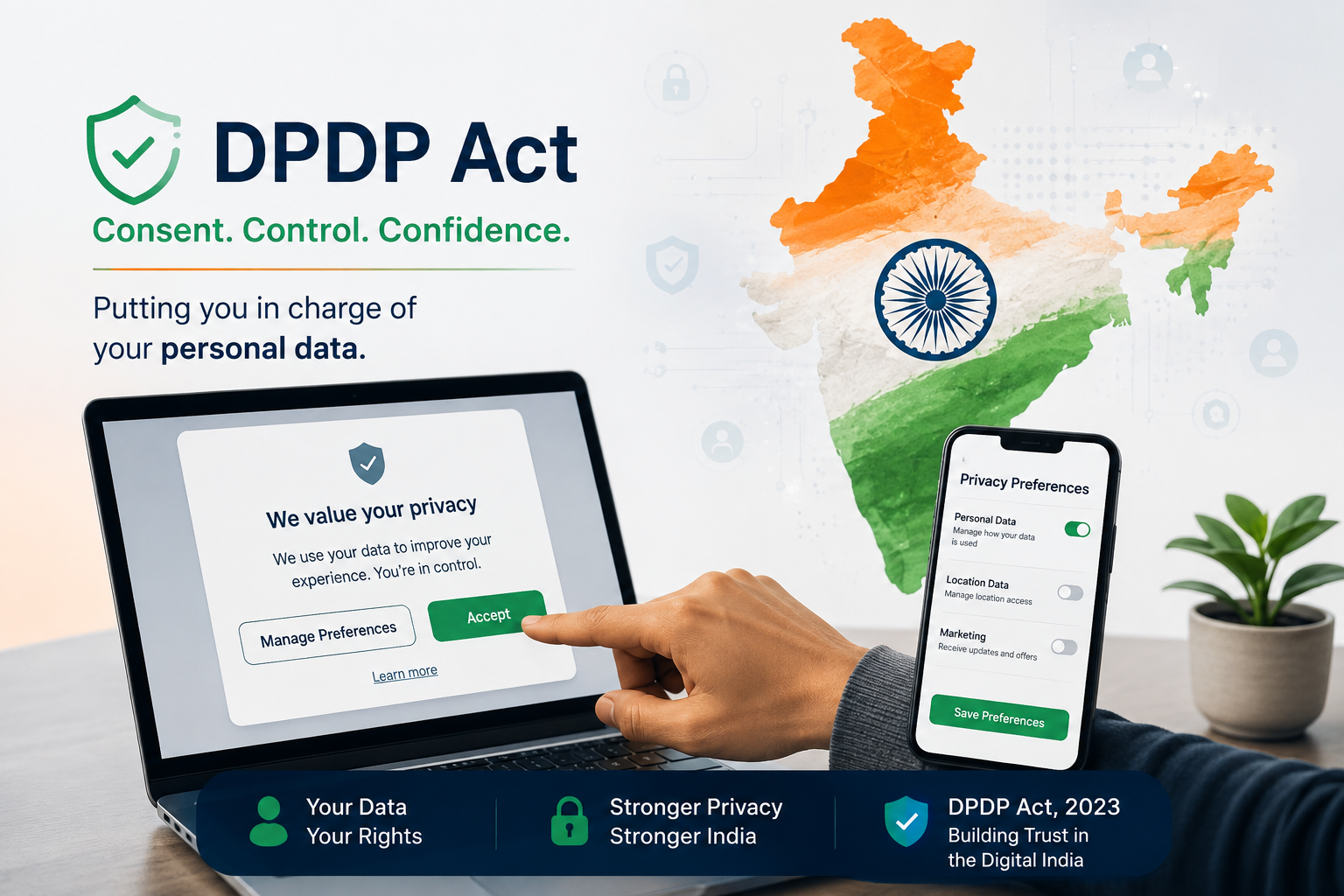
The Digital Personal Data Protection Act (2023) outlines compliance requirements for blockchain systems, balancing transparency with privacy.
Blockchain Policies Across States
States such as Karnataka and Maharashtra have launched blockchain-specific policies to support startups and promote innovation.
Key Use Cases of Blockchain in India
Land Registry
States like Rajasthan and Uttar Pradesh are using blockchain to prevent fraud and ensure transparent land ownership.
Voting Systems
Blockchain-based remote voting solutions are undergoing trials to increase transparency and reduce election irregularities.
Public Distribution System (PDS)
Blockchain helps track supplies, reduce leakages, and ensure subsidies reach the right beneficiaries.
Indian Startups Transforming Blockchain Adoption
India’s startup ecosystem plays a major role in driving blockchain innovation.
Polygon (formerly Matic Network)
Based in Bengaluru, Polygon is globally recognized for improving blockchain scalability and enabling high-performance decentralized applications.
SecureDApp
SecureDApp provides advanced blockchain security, compliance, and trust-layer solutions that help enterprises safeguard decentralized systems and minimize risks.
Signzy
Signzy leverages blockchain to enhance digital KYC, fraud detection, and financial compliance processes.
Government Initiatives Supporting Blockchain Startups
The Indian government continues to nurture blockchain entrepreneurship through targeted initiatives.
1. Startup India Mission
Launched in 2016, this mission offers funding, tax benefits, mentorship, and patent support. As a result, blockchain startups can focus more on innovation and less on regulatory friction.
2. MeitY’s Blockchain Sandbox
This sandbox gives startups a controlled environment to test and refine blockchain solutions. Moreover, it encourages collaboration between developers, enterprises, and regulators to build secure and scalable products.
3. Ease of Doing Business Reforms
Improved regulatory processes, simplified approvals, and reduced red tape encourage blockchain entrepreneurs to scale quickly. Additionally, states like Karnataka, Maharashtra, and Telangana have introduced policies to attract blockchain talent and investment.
Together, these initiatives highlight India’s ambition to become a global blockchain powerhouse.
Future Prospects of Blockchain in India
Blockchain adoption will continue accelerating, especially with advancements such as:
- Smart Cities: Blockchain will support urban infrastructure management, from waste systems to mobility.
- AI + Blockchain: Combining AI with blockchain will unlock secure automation and smarter decision-making.
- DeFi Growth: India is positioned to become a major center for decentralized finance innovation.
Challenges Ahead
Despite rapid progress, a few challenges still need attention:
- Scalability issues in high-volume blockchain networks
- Lack of awareness across traditional industries
- Shortage of skilled professionals, especially blockchain developers
Conclusion
Blockchain has the power to reshape India’s digital future, and the country is embracing it with steady momentum. As adoption grows across industries, supported by forward-thinking government policies, blockchain is set to drive innovation at an unprecedented scale.
India’s rise as a global blockchain leader will depend on continuous collaboration between startups, corporations, and government bodies. Whether you’re a business seeking operational excellence or an individual exploring new opportunities, blockchain offers immense potential and a future full of possibility.
FAQs
1. Why is blockchain adoption growing rapidly in India?
India is witnessing increased blockchain adoption due to government digital transformation initiatives, enterprise investment in Web3 technologies, growing fintech innovation, and the need for secure, transparent, and efficient digital infrastructure across multiple industries.
2. Which industries in India are benefiting the most from blockchain?
Blockchain is making a significant impact across banking and financial services, supply chain management, healthcare, agriculture, government services, digital identity, logistics, and real-world asset (RWA) tokenization by improving transparency, security, and operational efficiency.
3. What role does the Indian government play in blockchain adoption?
The Government of India supports blockchain innovation through initiatives such as Digital India, state-level blockchain projects, research programs, startup support, and the Digital Rupee (e₹) pilot. Several government agencies are also exploring blockchain for land records, public services, healthcare, and supply chain transparency.
4. What are the biggest challenges facing blockchain adoption in India?
Some of the major challenges include evolving regulations, scalability limitations, shortage of skilled blockchain professionals, interoperability between blockchain networks, cybersecurity risks, and increasing awareness among businesses and public institutions.
5. What is the future of blockchain technology in India?
The future of blockchain in India looks promising as enterprises continue integrating blockchain with artificial intelligence (AI), decentralized finance (DeFi), digital identity, tokenized real-world assets (RWAs), and government digital infrastructure. As regulations mature and adoption grows, India is well-positioned to become a global leader in blockchain innovation and Web3 development.