
Introduction
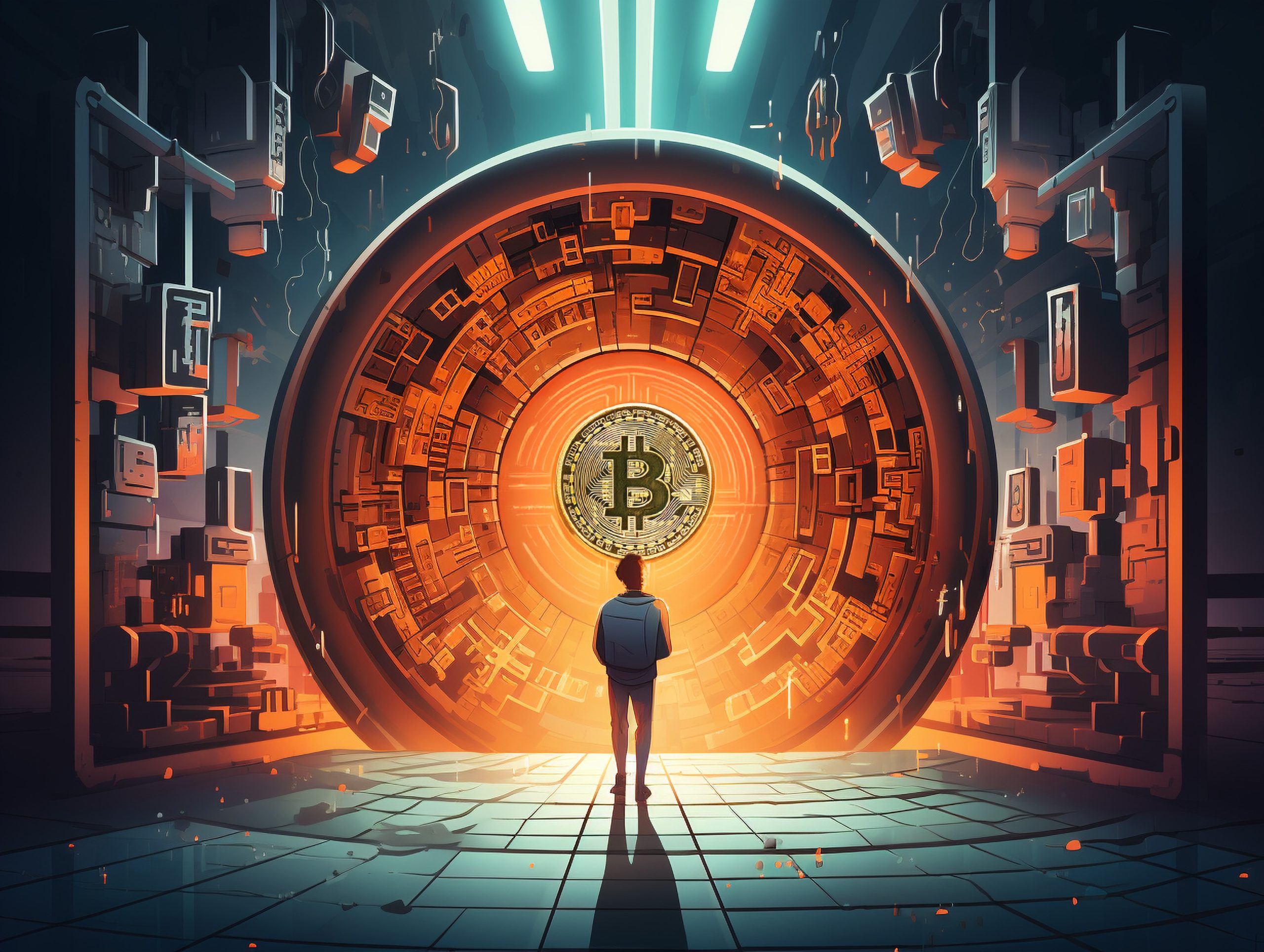
As the Web3 ecosystem matures in 2026, Non-Fungible Tokens (NFTs) are evolving far beyond digital art and collectibles. Often referred to as NFT 2.0, this next generation of blockchain assets introduces programmable functionality, dynamic metadata, interoperability, and real-world utility across industries such as gaming, finance, entertainment, digital identity, and tokenized real-world assets (RWAs). Instead of serving as static proof of ownership, NFT 2.0 enables assets to evolve, interact with smart contracts, and unlock personalized experiences throughout their lifecycle.
This evolution creates exciting opportunities for businesses and developers—but it also introduces new technical and security challenges. Successfully deploying NFT 2.0 projects requires secure smart contract architecture, reliable oracle integrations, transparent governance, and continuous blockchain monitoring. In this guide, we’ll explain what NFT 2.0 is, how it differs from traditional NFTs, and the best practices for building secure, scalable, and utility-driven digital assets in 2026 and beyond.
NFT 2.0 Explained: Core Features and Use Cases
Programmability is the central difference. Metadata can change over time to reflect upgrades, wear, achievements or external data feeds. Composability lets tokens be bundled, nested or combined to create new assets that inherit properties from their parts. Asset binding ties tokens to physical goods, identities or event tickets in a verifiable way. Together these features unlock real world use cases like dynamic memberships that evolve with behavior, in game items that level up and tokenized real estate that captures fractional ownership and automated royalties.
Use cases are practical and diverse. In gaming a sword can be upgraded and merged with a gem to form a new weapon. In events a ticket can become a collectible that updates with attendance or VIP status. In supply chains a part can be bound to serial numbers so provenance moves with the component. Brands can implement scarcity mechanics with burns and upgrades to encourage long term engagement. These scenarios require thoughtful engineering because mutable tokens introduce runtime complexity and new security vectors.
What changed from NFT 1.0 to NFT 2.0
NFT 1.0 focused on unique, immutable proofs of ownership for art and collectibles. NFTs were largely read only with metadata stored off chain or frozen at mint time. NFT 2.0 flips that model by embracing state changes, on chain logic and richer token relationships. Standards have evolved to support batched transfers, semi fungibility and upgradeable contracts, and proposals for asset bound tokens are making it easier to link digital rights to physical assets. The result is a shift from certificates to programmable digital rights that can drive product experiences and revenue models.
Technical building blocks for NFT 2.0
The choice of token standard matters. Implementations that support batching and semi fungibility reduce gas costs for bundled assets. Upgradeable contract patterns let teams patch logic while preserving on chain state. Oracles and secure data feeds enable tokens to react to external events. Composability patterns require careful ownership models so that transfers and burns do not lead to unexpected state. Pragmatic designs keep minimal critical state on chain and use off chain services for heavier processing and storage to balance cost, speed and auditability.
Security and risk management for programmable tokens
Programmability increases attack surfaces. Metadata update paths, privileged admin functions and oracle dependencies can all become vectors for exploitation. Audits, formal verification and continuous monitoring are essential defenses. For runtime threat detection teams can use monitoring tools that surface unauthorized contract interactions, anomalous transfers and oracle inconsistencies. SecureDApp products such as Secure Watch provide blockchain threat monitoring to help detect and investigate suspicious activity in real time. Visit Secure Watch at SecureDApp to learn more about live monitoring options.
Smart contract audits remain non negotiable. Audit firms that understand upgradable logic, composability and off chain dependencies will catch subtle flaws that generic checks miss. For specialized smart contract review consider services like Solidity Shield which offers audits targeted at modern token models. Find Solidity Shield at SecureDApp. Combining audits with runtime monitoring creates layered protection that reduces the likelihood of exploit and speeds incident response.
Design patterns that reduce failure modes
Adopt least privilege for metadata updates and administrative functions. Use time locks and multi signer governance for critical upgrades. Implement fallback behavior so tokens are not rendered unusable if a dependent oracle or service fails. Consider hybrid architectures that store heavy assets off chain and keep only verifiable hashes on chain to preserve provenance without excessive cost. Design token economics and upgrade policies transparently so holders understand how and when token behavior may change.
Token economics and building trust
NFT 2.0 enables novel capture mechanisms but trust is paramount. Clearly documented upgrade rules, auditable provenance and transparent royalty systems maintain secondary market confidence. Community governance with on chain voting and published change logs can reduce backlash from surprise modifications. For brands planning utility drops, communicate how metadata will evolve, what off chain integrations exist and which parties have update authority.
Implementation checklist for teams
Start with a narrow programmable feature to reduce scope. Prototype with existing standards and test composability at small scale. Run focused audits on upgrade and permission paths and set up continuous monitoring prior to any public mint. Publish clear governance policies and an incident response playbook. If you need partner solutions consider combining an audit service such as Solidity Shield with monitoring like Secure Watch to cover both pre launch and live protection phases.
Conclusion
NFT 2.0 is the moment when tokens become programmable building blocks for durable digital rights. The opportunity spans entertainment, commerce and infrastructure, but realizing it requires rigorous engineering, transparent governance and layered security. Projects that combine strong design with audits and runtime monitoring will turn the promise of NFT 2.0 into sustainable products that users trust and markets reward. If you want a tailored launch checklist or an audit readiness plan I can provide a concise, actionable template to get your team started.
Frequently Asked Questions (FAQs)
1. What is NFT 2.0?
NFT 2.0 refers to the next generation of Non-Fungible Tokens that offer dynamic functionality beyond static ownership. These NFTs can update metadata, interact with smart contracts, integrate with external data sources, represent real-world assets, and provide ongoing utility across multiple blockchain applications.
2. How is NFT 2.0 different from traditional NFTs?
Traditional NFTs primarily serve as proof of ownership for digital collectibles or artwork. NFT 2.0 introduces programmable features such as dynamic metadata, interoperability, composability, asset upgrades, automated access control, and integration with decentralized applications, creating more interactive and utility-focused experiences.
3. Which industries can benefit from NFT 2.0?
NFT 2.0 has applications across gaming, digital identity, entertainment, real estate, supply chain management, finance, ticketing, education, healthcare, and tokenized Real-World Assets (RWAs). Businesses can use programmable NFTs to improve customer engagement, automate ownership verification, and create new digital business models.
4. What security challenges do programmable NFTs introduce?
Because NFT 2.0 relies on dynamic smart contracts, oracle integrations, and upgradeable functionality, projects face additional risks such as contract vulnerabilities, unauthorized metadata changes, oracle manipulation, access control weaknesses, and governance exploits. Independent smart contract audits and continuous blockchain monitoring help mitigate these risks.
5. What is the future of NFT 2.0?
NFT 2.0 is expected to play a central role in the future of Web3 by enabling intelligent digital ownership, interoperable virtual assets, tokenized memberships, decentralized identity systems, AI-powered digital experiences, and real-world asset tokenization. As blockchain infrastructure and security continue to improve, programmable NFTs are likely to become a foundational component of the digital economy.