
Introduction
In the ever-evolving world of blockchain, one concept has captured the imagination of innovators, entrepreneurs, and investors alike Decentralized Autonomous Organizations (DAOs). These blockchain-based entities are not just a trend but a glimpse into the future of secure, transparent organizations. With DAOs, decision-making shifts from central authorities to communities governed by code and consensus, offering a transformative approach to trust, accountability, and efficiency.
As blockchain technology matures, the need for enhanced transparency and security grows. DAOs offer a solution that eliminates corruption, reduces human error, and empowers users. Combined with platforms like SecureDApp, which provides advanced blockchain security and smart contract auditing tools, DAOs are paving the way for a new era of organizational integrity.
The Rise of DAOs in a Trustless World
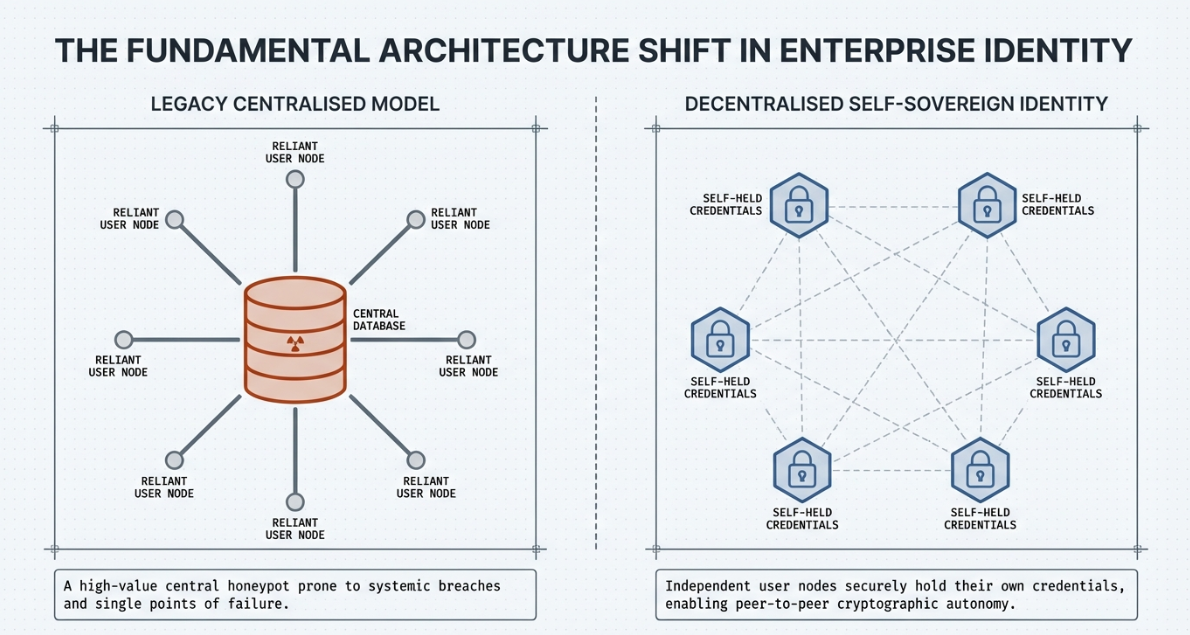
Traditional organizations rely on hierarchy, paperwork, and centralized control all of which create inefficiencies and potential for abuse. DAOs operate differently. They function through smart contracts self-executing agreements on the blockchain that remove intermediaries and enforce transparency.
Each DAO member can propose, vote, and influence decisions through a governance token system. This structure ensures that every stakeholder has a voice, leading to fairer and more democratic operations. As the demand for accountability increases globally, DAOs represent a fundamental shift in how organizations can build trust in a trustless environment.
How Blockchain Strengthens DAO Security
At the core of every DAO lies the blockchain an immutable ledger that records every transaction and decision. This decentralized infrastructure enhances data integrity and makes tampering virtually impossible. However, blockchain systems are not immune to threats. Vulnerabilities in smart contracts, governance code, or integration layers can expose DAOs to cyber risks.
That’s where blockchain security solutions like Secure Watch from SecureDApp come into play. Secure Watch continuously monitors blockchain activity for anomalies, suspicious behavior, and potential threats, providing real-time alerts. By incorporating tools like this, DAOs can maintain operational security without compromising decentralization.
Moreover, using security-focused smart contract auditing solutions such as Solidity Shield ensures that the underlying code powering DAO governance is resilient, transparent, and free from exploitable vulnerabilities. This proactive approach to security strengthens community confidence and protects the organization from costly exploits.
DAOs and the Future of Organizational Transparency
One of the biggest challenges in traditional business operations is transparency. Stakeholders often have limited visibility into how funds are used or decisions are made. DAOs solve this by putting every proposal, transaction, and vote on-chain visible to anyone, anytime.
This radical transparency encourages accountability. Stakeholders can verify where funds are allocated and how decisions align with community goals. For instance, a DAO managing public funds or charity donations ensures that no single entity can misuse resources. This open model builds lasting trust between organizations and their members. Transparency also helps mitigate corruption, as all actions are traceable. In essence, DAOs replace bureaucratic opacity with blockchain clarity, marking a monumental step toward honest, auditable governance.
Why DAOs Are the Future of Secure, Transparent Organizations
The appeal of DAOs extends beyond technology it represents a cultural and philosophical evolution. As industries move toward decentralization, DAOs are becoming the preferred model for communities that value inclusivity, fairness, and transparency. The security-first mindset embedded in modern DAOs is another reason for their growing adoption. When combined with platforms like SecureDApp that provide end-to-end blockchain protection and audits, DAOs can operate securely without compromising speed or innovation. This fusion of governance and security ensures that decentralized systems remain trustworthy and efficient.
DAOs also empower global collaboration. Participants from anywhere in the world can join, contribute, and earn rewards without the barriers of geography or politics. The decentralized model democratizes innovation and ensures that decisions are made collectively rather than dictated by a few.
Practical Benefits of Adopting DAO Structures
1. Decentralized Decision-Making: Power is distributed among token holders rather than centralized executives, promoting fair governance.
2. Cost Efficiency: Automation through smart contracts reduces administrative expenses and human dependency.
3. Global Participation: Members worldwide can join, contribute, and benefit without legal or physical barriers.
4. Immutable Records: Every decision and transaction is permanently stored on the blockchain, ensuring transparency.
5. Enhanced Security: Continuous audits and tools like Solidity Shield safeguard smart contracts from vulnerabilities.
For businesses exploring blockchain-based ecosystems, integrating DAO principles can significantly enhance resilience and trust. SecureDApp’s suite of products makes this transition smoother by fortifying the technological foundation that DAOs rely upon.
The Role of SecureDApp in DAO Evolution
The DAO ecosystem thrives when security is prioritized from the start. SecureDApp has positioned itself as a leader in blockchain protection through its innovative products.
– Secure Watch: Provides real-time blockchain threat detection and analytics, helping DAOs identify suspicious activity early.
– Solidity Shield: Delivers deep smart contract audits to prevent security flaws and coding vulnerabilities before launch.
– Custom DAO Security Solutions: SecureDApp also offers tailored frameworks for decentralized communities that need governance protection, identity management, and token integrity validation.
For readers wanting to explore how SecureDApp can strengthen DAO operations, check out their official website for detailed insights and case studies.
Overcoming Challenges in DAO Security and Adoption
Despite their promise, DAOs face challenges. Code exploits, governance manipulation, and legal uncertainties can limit adoption. However, these challenges are being actively addressed by blockchain experts and security platforms. The key to widespread DAO adoption lies in building trust through audited smart contracts, real-time monitoring, and community education. As more projects invest in security audits and compliance, DAOs will continue to mature into reliable, enterprise-grade structures.
Furthermore, internal resources such as blockchain learning hubs or DAO governance guides (like those found on SecureDApp’s platform) help users understand best practices. These educational initiatives will ensure that DAOs are not just technically secure but also socially sustainable.
The Road Ahead for DAOs and Decentralized Governance
As blockchain technology evolves, DAOs are poised to redefine how organizations function. They offer a framework for transparency, collaboration, and trust that traditional institutions struggle to replicate. With ongoing innovations in blockchain security and community governance, the next generation of DAOs will be smarter, faster, and safer.
The future of work, finance, and governance is decentralized and DAOs stand at the heart of that revolution. When fortified by advanced security tools and community-driven protocols, they can truly become the foundation of secure, transparent organizations for decades to come.
Conclusion
DAOs are more than a passing trend; they are the blueprint for the next era of digital governance. By combining decentralization with security-focused solutions from platforms like SecureDApp, organizations can achieve a balance of transparency, trust, and protection. As more enterprises embrace blockchain-based systems, the question is no longer if DAOs will dominate the future but when.