
Introduction
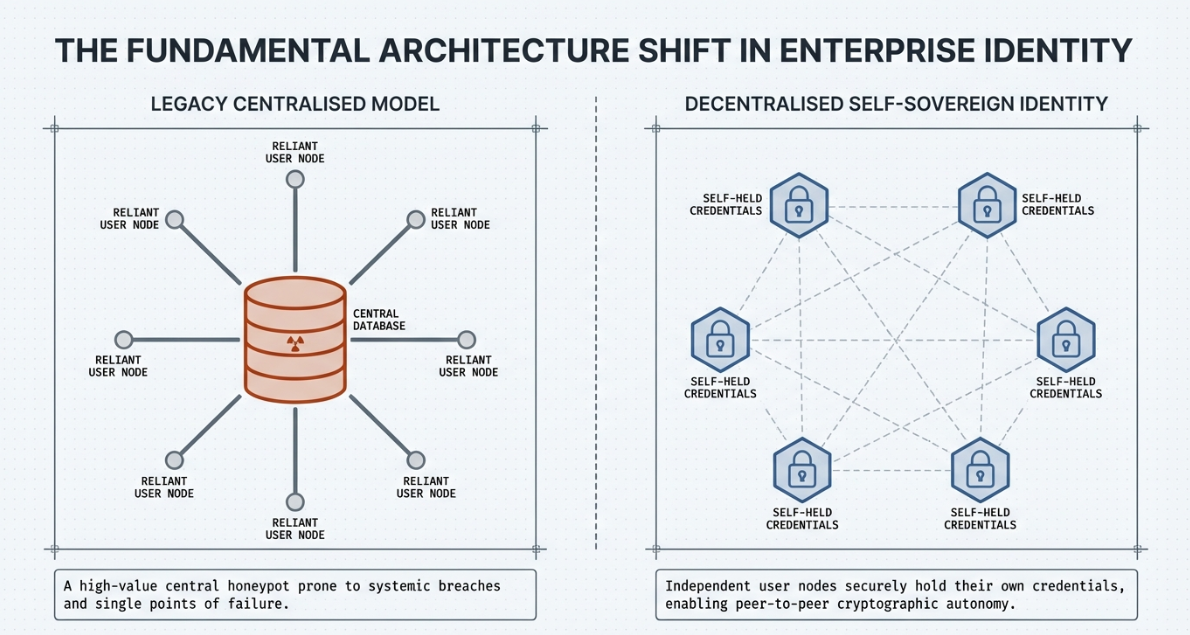
A Decentralized Autonomous Organization (DAO) is a structure where decisions come from the community instead of a central leader. DAOs run on blockchain networks like Ethereum and use smart contracts to manage voting, proposals, and funds. As a result, the entire system becomes transparent and automated.
DAOs remove intermediaries. Every proposal, vote, and action happens on-chain. Token holders can suggest changes, vote on them, and trigger automated actions once the required conditions are met. You can learn more about DAO basics from Ethereum’s official page.
How Does a DAO Work?
Every DAO relies on three core elements: smart contracts, governance tokens, and community proposals.
Smart Contracts as the Foundation
Smart contracts are self-executing code stored on the blockchain. They define rules for membership, voting, and fund management. For example, a contract may define:
- Who can submit proposals
- How voting works, such as one-token-one-vote or quadratic voting
- The quorum and approval percentage needed for execution
Once deployed, these rules cannot change without community approval. This design improves transparency and removes the need for a central authority.
Governance Tokens and Voting
Most DAOs issue a native governance token. Token holders can vote or delegate their votes. Tokens may be earned, bought, or awarded for contributions. The more tokens someone holds, the more voting power they have, unless the DAO uses other systems such as quadratic voting.
When a proposal goes live, members have a set time—usually a few days—to vote. After the threshold is met, the smart contract automatically executes the outcome. This could include updating treasury allocations, tweaking protocol parameters, or approving grants.
Treasury and Fund Management
DAOs often control a shared treasury. Smart contracts manage this treasury and release funds only when members approve a proposal. Since everything is visible on-chain, anyone can review transactions. This level of transparency attracts people who value open, community-driven projects.
Benefits of DAOs
DAOs are growing in popularity because they offer clear advantages.
Decentralized Governance
Power is distributed among members, which reduces single points of failure and limits centralized control.
Transparency and Trust
All activity—from votes to fund transfers—is recorded on the blockchain. As a result, members can verify every action.
Community-Driven Incentives
Members can earn tokens for contributing to the organization. This encourages participation and builds long-term commitment.
Use Cases of DAOs
DAOs now support a wide range of real-world applications.
- DeFi Protocols: Projects like Uniswap and Aave use DAOs for decisions on fees, rates, and updates.
- NFT Communities: Groups such as PleasrDAO pool funds to buy rare digital assets.
- Grants and Philanthropy: GitcoinDAO allows members to vote on funding public-goods projects.
- Investment Collectives: Communities like MetaCartel and ConstitutionDAO gather funds to support startups or collective investments.
How SecureDApp Helps DAOs
Launching or running a DAO involves security, compliance, and smooth operations. Here’s how SecureDApp’s product suite supports these needs.
Smart Contract Auditing
Before launching your token or opening governance, your contracts must be secure. SecureDApp’s Smart Contract Auditing combines tools and expert review to detect vulnerabilities and inefficiencies. A verified audit builds trust with investors and community members.
Endpoint Security for DAO Interfaces
Although blockchain is secure, your front-end may still face risks like phishing or XSS attacks. SecureDApp’s Endpoint Security protects your DAO’s UI—whether it’s a voting dashboard or community portal. With real-time threat detection and secure authentication, members can engage safely.
On-Chain Governance Analytics
Tracking voter behavior and treasury activity is essential. SecureDApp’s Analytics Dashboard visualizes on-chain data so teams can monitor participation and improve proposal workflows. This, in turn, builds accountability and trust.
Conclusion
A DAO represents a new way for communities to collaborate and make decisions. It removes central control, increases transparency, and encourages participation. However, building a strong DAO requires careful design, security, and continuous engagement.
By using SecureDApp’s products—such as Smart Contract Auditing, Endpoint Security, and Governance Analytics—you can create a DAO that is both decentralized and secure. Whether you are building a DeFi protocol, an NFT community, or an investment collective, understanding DAO fundamentals will help you build for long-term impact.