
Introduction
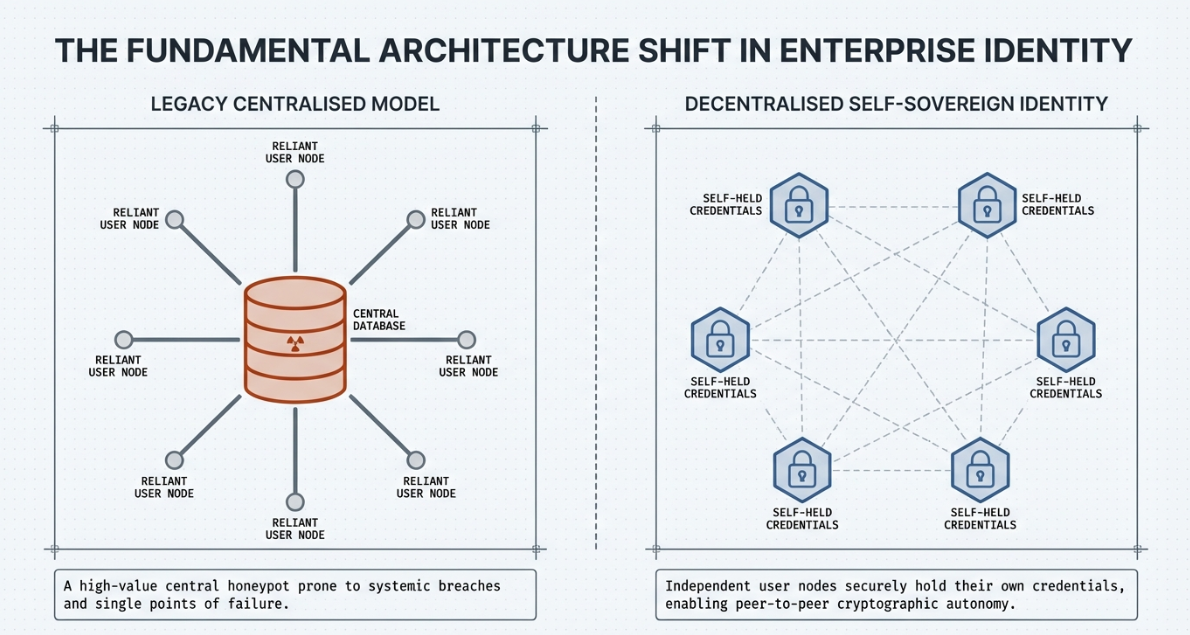
Decentralized Apps in 2025 is shaping how developers build secure, scalable, and user friendly decentralized applications. As blockchain adoption matures, choosing the right framework has become a strategic decision rather than a technical afterthought. In 2025, Web3 frameworks focus not only on speed and flexibility but also on security, interoperability, and developer experience. This guide explores the most relevant frameworks leading the dApp ecosystem and explains how they fit into modern Web3 development.
Why Web3 Frameworks Matter More in 2025
The Web3 ecosystem is no longer experimental. Enterprises, startups, and governments are actively deploying decentralized solutions. Frameworks now act as the backbone of dApp development by simplifying smart contract deployment, frontend integration, and blockchain interaction.
Modern Web3 frameworks reduce development time, improve code reliability, and support multi chain strategies. With rising blockchain threats, security tooling such as real time threat monitoring and smart contract audits has also become a key consideration. Solutions like Secure Watch from SecureDApp quietly complement these frameworks by monitoring blockchain threats without disrupting development workflows.
Top 5 Web3 Frameworks for Decentralized Apps in 2025
This section highlights the most trusted and widely adopted Web3 frameworks that developers rely on in 2025 for building decentralized applications.
1. Hardhat
Hardhat continues to dominate Ethereum based development due to its flexibility and strong plugin ecosystem. It is designed for professional developers who want full control over their smart contract lifecycle. Hardhat enables local Ethereum networks, detailed debugging, and seamless testing. Its compatibility with popular libraries and wallets makes it ideal for complex dApps. When paired with smart contract auditing tools like Solidity Shield from SecureDApp, Hardhat projects gain an additional layer of confidence before deployment. Best suited for advanced Ethereum and Layer two applications.
2. Truffle Suite
Truffle Suite remains a reliable framework for teams that want an all in one development environment. It offers smart contract compilation, testing, and migration tools that simplify early stage dApp development. Truffle integrates well with Ganache for local blockchain simulation and supports multiple networks. It is particularly popular among startups building MVPs and proof of concepts. Developers often combine Truffle with external monitoring platforms to detect vulnerabilities once contracts go live.
3. Foundry
Foundry has gained massive traction in 2025 due to its speed and Rust based tooling. It focuses on performance, making it ideal for large scale decentralized applications that require frequent testing and deployment. Foundry excels in fuzz testing and advanced smart contract validation. This makes it a strong choice for security focused teams. When used alongside continuous monitoring tools like Secure Watch, Foundry based projects can quickly respond to emerging blockchain threats.
4. Moralis
Moralis is more than a framework. It is a full Web3 development platform. It abstracts backend complexity by offering APIs for authentication, data storage, and blockchain interaction. Moralis supports multiple chains including Ethereum, Polygon, and BNB Chain. This makes it ideal for developers building scalable consumer facing dApps. Its real time data capabilities reduce the need for custom indexing solutions. Teams using Moralis often prioritize security audits early to protect user data and on chain logic.
5. Substrate
Substrate is the framework behind Polkadot and remains the top choice for developers building custom blockchains and advanced decentralized networks. Unlike traditional dApp frameworks, Substrate allows full control over blockchain logic. Substrate is powerful but complex. It suits teams with deep blockchain expertise and long term infrastructure goals. Security reviews and continuous threat monitoring are essential in Substrate based projects due to their protocol level impact.
How to Choose the Right Web3 Framework
Selecting the right framework depends on your project goals, team expertise, and security requirements. Ethereum focused dApps benefit from Hardhat or Foundry. Multi chain apps align well with Moralis. Custom blockchain projects demand Substrate. Security should be considered from day one. Smart contract audits and threat monitoring are no longer optional. Integrating auditing solutions like Solidity Shield during development and using monitoring tools such as Secure Watch after deployment helps reduce risk without slowing innovation.
Security Considerations When Using Web3 Frameworks
Frameworks simplify development but do not eliminate security risks. Vulnerabilities often arise from misconfigured contracts, outdated dependencies, or poor testing practices. In 2025, proactive security is a competitive advantage. Continuous monitoring tools quietly observe on chain activity, while smart contract audits validate logic before exploits occur. SecureDApp offers solutions that integrate smoothly into existing development pipelines without adding friction.
Conclusion
The Top 5 Web3 Frameworks for Decentralized Apps in 2025 reflect the maturity of the decentralized ecosystem. Developers now have access to powerful tools that accelerate innovation while supporting security and scalability. Choosing the right framework is about aligning technology with long term vision. When combined with smart security practices and reliable monitoring, these frameworks enable teams to build resilient decentralized applications that are ready for mass adoption. Web3 is evolving fast. The right framework and the right security mindset will keep you ahead.