
Introduction
In an era where cyber threats evolve faster than ever before, Blockchain‑Based Cybersecurity Startups are stepping up to redefine how organizations protect digital assets. As we move through 2025, ten visionary companies harnessing distributed ledger technology are challenging traditional security paradigms and delivering next‑generation solutions. From real‑time compliance and forensic analytics to automated smart contract audits and bug bounty marketplaces, these startups are ones to watch closely this year.
Why Blockchain‑Based Cybersecurity Startups Matter in 2025
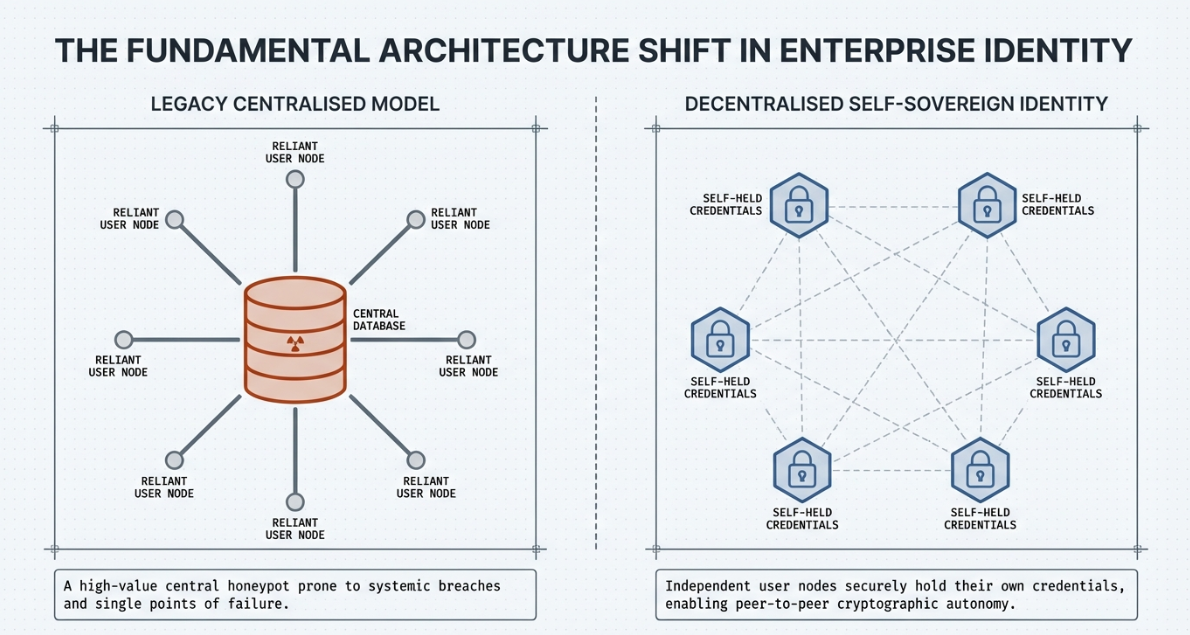
With attacks targeting Web3 applications, DeFi protocols and NFT marketplaces on the rise, a decentralized approach to security has become essential. Blockchain’s immutability and transparency enable novel methods for threat detection, vulnerability mitigation and identity verification. Industry leaders now champion platforms that leverage on‑chain data for behavioral analytics, automated remediation and multi‑party attestation. For deeper insights on foundational blockchain security principles, explore this external resource from OWASP.
Top 10 Blockchain‑Based Cybersecurity Startups to Watch in 2025
Below, we profile ten startups that combine cryptography, decentralized architecture and AI‑driven analytics to secure the future of digital ecosystems.
1. Chainalysis
Chainalysis delivers end‑to‑end cryptocurrency compliance and investigations for law enforcement, financial institutions and enterprises. Its on‑chain analytics platform uncovers illicit activity, traces fund flows and automates sanctions screening. In 2025, Chainalysis expanded into decentralized finance monitoring, offering real‑time risk scoring for DeFi protocols and NFT marketplaces. Enterprises rely on Chainalysis to meet evolving regulatory requirements worldwide.
2. Quantstamp
Quantstamp specializes in automated smart contract audits powered by formal verification and scalable security testing. The platform identifies critical vulnerabilities in Solidity code, generates actionable reports and integrates directly into CI/CD pipelines. Its flagship product now features an AI‑powered vulnerability predictor that prioritizes fixes based on exploit likelihood. Quantstamp’s continuous testing approach helps developers ship secure smart contracts with confidence.
3. CertiK
CertiK provides comprehensive security auditing, penetration testing and runtime monitoring for blockchain projects. Leveraging its proprietary Formal Verification Engine, CertiK mathematically proves the correctness of smart contract logic. The company’s Security Leaderboard publicly scores hundreds of protocols, incentivizing teams to achieve best‑in‑class security standards. In 2025, CertiK introduced an automated threat intelligence feed that alerts projects to emerging on‑chain attack patterns.
4. Immunefi
As the leading bug bounty platform for Web3, Immunefi connects white‑hat researchers with projects seeking to uncover critical flaws. It handles bounty payment escrow, triage support and public disclosure coordination. Immunefi’s specialized focus on DeFi, bridges and Layer 2 networks has resulted in the payment of over 160 million dollars in bounties. Its 2025 roadmap includes gamified vulnerability–discovery challenges and automated reward distribution via smart contracts.
5. Fireblocks
Fireblocks secures the movement, storage and issuance of digital assets across centralized and decentralized environments. Its patented Multi‑Party Computation Wallet Infrastructure eliminates single points of failure and secures private keys using threshold cryptography. With integrations across 650+ exchanges and custodians, Fireblocks has become the infrastructure backbone for institutions entering crypto. Recent product enhancements provide real‑time transaction anomaly detection powered by on‑chain heuristics.
6. Halborn
Halborn combines white‑hat hacking services with 24/7 security operations to protect blockchain enterprises. It conducts red‑team assessments, incident response and threat hunting in decentralized environments. In 2025, Halborn launched an Autonomous Security Operations Center that ingests on‑chain and off‑chain telemetry to detect and respond to sophisticated multi‑vector attacks. Its team of former intelligence analysts and blockchain researchers offers bespoke security programs for CEXs, DAOs and NFT platforms.
7. Dedge Security
Based in Spain, Dedge Security offers holistic Application Security Posture Management for Web3. Its platform secures code, nodes and CI/CD pipelines through continuous scanning, policy enforcement and real‑time risk visualization. Dedge’s automated remediation suggestions help teams fix vulnerabilities before deployment. Supported by a recent four‑million‑euro seed round, Dedge is rapidly scaling its global footprint and forging partnerships with major infrastructure providers.
8. Sentinel Chain
Sentinel Chain provides decentralized threat intelligence and attestation for on‑chain and off‑chain events. By aggregating data from multiple blockchains and security feeds, Sentinel generates actionable alerts and customizable watchlists. Organizations use its APIs to integrate security signals into dashboards, access control systems and compliance workflows. In 2025, Sentinel introduced dynamic policy agents that enforce security rules on smart contract interactions without the need for manual governance.
9. BlockAudit
BlockAudit delivers immutable forensic logs and compliance reports for blockchain transactions. Its platform captures every state change in a tamper‑proof ledger, enabling organizations to reconstruct attack timelines and comply with audit requirements. BlockAudit’s easy‑to‑use dashboard offers queryable transaction histories and customizable alerts for suspicious patterns. The company’s growth in 2025 includes support for emerging L1 and L2 networks as well as multi‑party disclosure tools.
10. SecureDApp
SecureDApp is revolutionizing blockchain threat management with a suite of modular products. Secure Watch continuously monitors the mempool and on‑chain events to detect front‑running, sandwich attacks and other transaction‑based exploits. Solidity Shield performs end‑to‑end smart contract audits, combining static analysis, formal verification and manual review to ensure robust code integrity. These tools integrate seamlessly into developer workflows, helping teams build and deploy secured Apps. For a deeper dive into SecureDApp solutions visit Secure Watch and explore Solidity Shield.
How to Choose the Right Partner
Selecting the optimal blockchain security partner depends on your project’s maturity, threat profile and regulatory requirements. Teams just launching tokens may prioritize platforms like Immunefi or Quantstamp for code‑level assurance. Enterprises handling large volumes of assets might lean toward Fireblocks or Chainalysis for compliance and custody. Early adopters building innovative DeFi protocols can benefit from custom services offered by Halborn or Dedge Security.
Embracing a Decentralized Security Future
Blockchain‑Based Cybersecurity Startups are redefining what it means to secure digital environments. Their decentralized architectures, cryptographic foundations and real‑time analytics are poised to become standard practices for any organization interacting with distributed ledger technologies. As blockchain adoption accelerates across finance, supply chain and digital identity, these ten startups will play a pivotal role in safeguarding the integrity and trustworthiness of tomorrow’s digital economy.