
Cryptocurrencies & Digital Assets in India: Understanding the Evolving Regulatory Landscape
Cryptocurrencies and digital assets have captured the imagination of individuals and businesses across India, offering new possibilities for financial innovation. Yet, the regulatory environment surrounding these technologies remains one of the most misunderstood topics. This guide breaks down India’s complex crypto regulations in a clear, original, and easy-to-understand way.
Cryptocurrencies and Digital Assets: The Basics
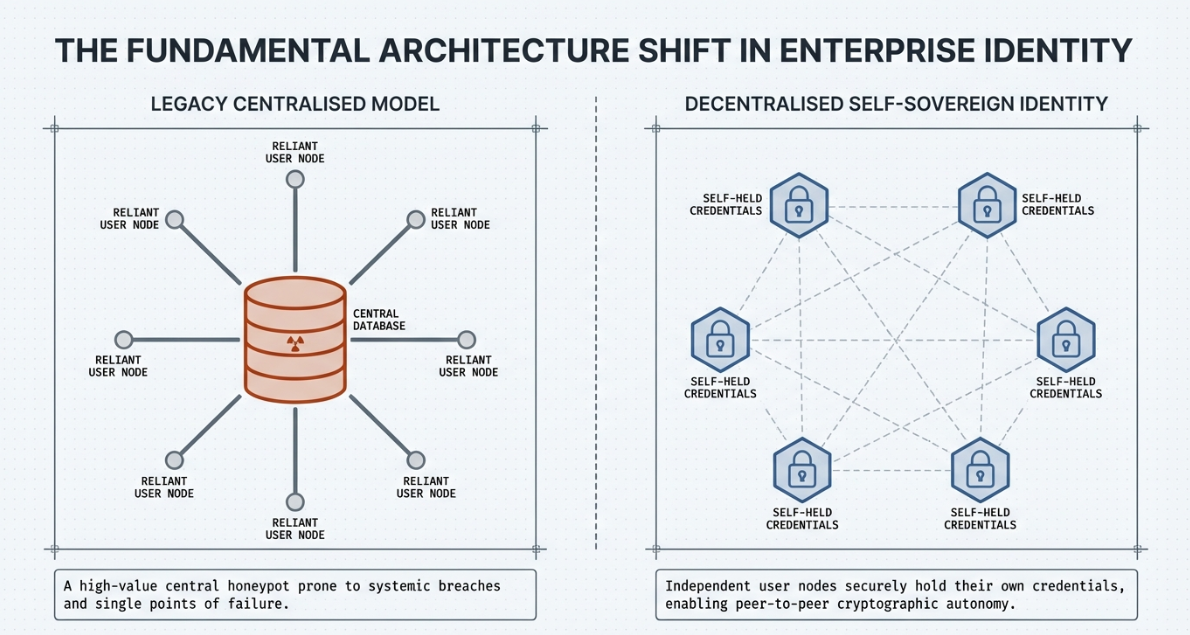
Cryptocurrencies are digital or virtual currencies secured through cryptography and powered by blockchain—a decentralized ledger that records transactions transparently. Popular examples include Bitcoin, Ethereum, and Ripple.
Digital assets, however, cast a wider net. They include cryptocurrencies, tokenized real-world assets (like real estate, art, or commodities), utility tokens used within blockchain ecosystems, and other forms of digitally represented value.
India’s Regulatory Journey: A Landscape in Motion
The legal status of cryptocurrencies in India has undergone several shifts. Here are the key milestones:
1. RBI Banking Ban (2018)
In 2018, the Reserve Bank of India issued a circular preventing banks from offering services to cryptocurrency businesses. This created widespread uncertainty across the industry.
2. Supreme Court Ruling (2020)
In March 2020, the Supreme Court lifted the RBI ban, allowing individuals and businesses to once again buy, sell, and trade cryptocurrencies. This judgment revitalized the crypto market in India.
3. Search for Regulatory Clarity (2020–Present)
Despite the relief provided by the Supreme Court, the overall regulatory direction remained unclear.
The government has since been working on the Cryptocurrency and Regulation of Official Digital Currency Bill, which aims to:
- Provide a legal framework for cryptocurrency use
- Set rules for digital asset operations
- Explore the rollout of an Indian Central Bank Digital Currency (CBDC)
Taxation in India: What Users Need to Know
Taxation plays a significant role in managing crypto and digital assets. Understanding these rules is crucial:
1. Capital Gains Tax
Profits earned from selling or trading cryptocurrencies are taxed as capital gains. The applicable rate depends on how long you’ve held the asset and your income tax slab.
2. Income Tax Requirements
Earnings from crypto-related activities—such as mining, staking, or trading—must be reported as income. Accurate documentation and compliance are essential.
3. GST & Special Crypto Taxes
India imposes:
- 30% income tax on gains from Virtual Digital Assets (VDAs)
- 1% TDS on every trade (buy, sell, or exchange) involving VDAs
These rules make taxation one of the most important considerations for crypto users.
Practical Tips for Crypto & Digital Asset Users in India
To navigate this rapidly evolving landscape safely, keep the following in mind:
1. Choose Reliable Exchanges
Use platforms that follow strict KYC and AML procedures to ensure secure and compliant transactions.
2. Protect Your Assets
Store cryptocurrencies in secure wallets—preferably hardware wallets or trusted software wallets.
Enable two-factor authentication (2FA) and never share private keys.
3. Stay Updated
Crypto regulations change frequently. Regularly follow reliable updates from regulatory bodies, industry experts, and credible news sources.
4. Maintain Tax Compliance
Keep records of all transactions and earnings. This makes filing taxes easier and ensures compliance with Indian laws.
5. Beware of Scams
Fraudulent schemes often promise unrealistic returns. Conduct thorough research before investing in any project or platform.
What Lies Ahead? India’s Future Crypto Framework
The future regulatory environment is still taking shape. As the government continues refining its approach, the community can expect clearer rules and a more predictable operational model.
The proposed crypto bill is anticipated to bring:
- Greater transparency
- Stronger consumer protection
- Responsible innovation
- A structured framework for CBDCs and digital assets
Conclusion
Cryptocurrencies and digital assets are not banned in India—but the regulatory landscape is continuously evolving. Staying informed, understanding tax responsibilities, and adopting safe practices are essential for anyone participating in this ecosystem.
As India moves toward clearer regulations, the crypto and digital asset sector is poised to play a transformative role in the country’s digital economy. Responsible participation today will lay the foundation for meaningful opportunities tomorrow.