
Introduction
As decentralized finance (DeFi) continues to mature in 2026, risk management has become just as important as yield generation. The rise of on-chain insurance protocols reflects a growing demand for decentralized protection against smart contract exploits, oracle failures, bridge attacks, and other blockchain-specific risks. Rather than relying solely on traditional insurers, these protocols use smart contracts and community-backed capital pools to provide transparent, automated coverage for DeFi users. This article explores how on-chain insurance works, its real-world use cases, current limitations, and why combining insurance with proactive security measures is becoming the new standard for protecting digital assets.
What On-chain Insurance Actually is?
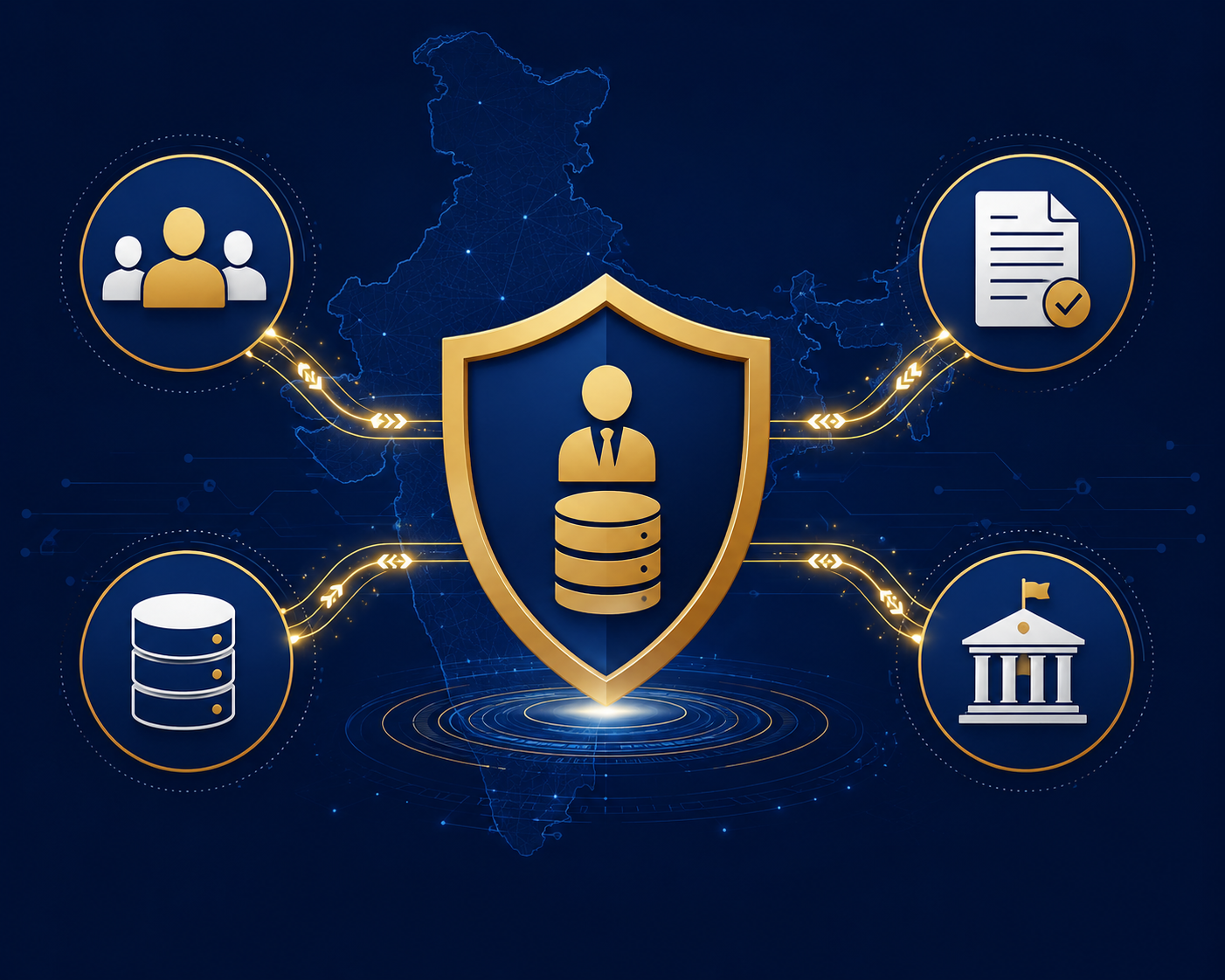
On-chain insurance protocols use smart contracts to underwrite risk, collect premiums and settle claims without traditional insurers. Members can stake capital to underwrite policies and claim votes or algorithmic triggers decide payouts. Nexus Mutual is one of the best known examples of this model and it demonstrates how a decentralized mutual can issue cover for smart contract failures.
Why DeFi needs Insurance Now?
Decentralized finance matured quickly and with complexity came new failure modes. Hacks, oracle manipulation and design flaws have caused multi million dollar losses. A famous example is the Cover Protocol exploit where a governance level vulnerability allowed an attacker to mint tokens and drain value, illustrating that even insurance focused projects can be vulnerable to the very failures they aim to protect against. These incidents show that insurance can be both necessary and vulnerable at the same time.
How on-chain insurance protocols work in practice?
Most protocols offer standalone smart contract cover, portfolio policies or parametric insurance that pays out when a verifiable event occurs. Oracles and external data feeds are crucial for parametric triggers and Chainlink style services are often used to bridge real world data to smart contracts. This technical stack reduces human discretion but increases dependence on external data integrity.
Track Record and Real Limitations
On-chain insurance has succeeded at raising awareness but has struggled with capital efficiency, adverse selection and claims adjudication. Many protocols hold relatively small treasury sizes compared to the scale of DeFi TVL and this creates concentration risk when a large exploit occurs. Academic and industry analysis highlights the structural challenges of scaling decentralized insurance into a reliable backstop for liquidity at risk.
Can On-Chain Insurance Really Save DeFi
Short answer no and yes. No because insurance alone cannot fix poor protocol design, insecure oracles or reckless leverage. Insurance transfers some of the risk but does not eliminate the root causes. Yes because well designed cover products create economic incentives for better security hygiene, encourage audits and give retail users a safety net that reduces contagion when incidents occur. The sweet spot is not full replacement of traditional insurance but a hybrid ecosystem where on-chain cover complements audits and monitoring.
Building trust Requires more than Promises
For insurance to become credible there must be deep capital, predictable claim processes and strong governance. Protocols must avoid single points of failure and align underwriter incentives with long term solvency. Parametric products that automatically settle on trustworthy data can cut disputes but they also require vetted oracles and fallback mechanisms to avoid false positives or negatives.
Security Tooling and Audits as Part of the Safety Stack
On-chain insurance should sit alongside active security tooling and professional audits. Products that monitor contracts in production and detect anomalies reduce the probability of catastrophic loss and make insurance pricing more accurate. SecureDApp offers solutions that fit into this stack with Secure Watch for blockchain threat monitoring and Solidity Shield for smart contract audits and hardening. These tools help projects identify vulnerabilities long before they become claims and improve the overall risk profile of insured assets. You can learn more about Secure Watch and Solidity Shield at the SecureDApp site.
Design Patterns that Increase Resilience
Several design patterns improve the resilience of on-chain insurance. First, layered coverage that mixes parametric triggers with discretionary review for edge cases reduces both false payouts and disputes. Second, reinsurance markets and diversified underwriter pools spread risk across multiple capital providers. Third, integrating monitoring and automated emergency brakes within protocols can prevent exploits from becoming total losses and make coverage more sustainable.
Regulatory and Economic Headwinds
For on-chain insurance to scale regulators will want clarity on liability and consumer protections. Moreover, insurers must solve adverse selection where only the highest risk users buy cover. Tackling these issues requires better risk modeling and possibly hybrid arrangements with licensed carriers for large institutional exposures. Recent industry coverage shows traditional insurers are exploring blockchain use cases but full adoption will take time.
Practical Advice for DeFi Users
If you are participating in DeFi consider a layered approach to protection. First choose projects that show audited code and active monitoring. Second buy credible cover for large positions from protocols with transparent capital and clear payout rules. Third reduce concentration risk by diversifying across chains and projects. Using a combination of smart contract audits and runtime monitoring improves your odds of avoiding uninsurable losses.
The Future Outlook
On-chain insurance will not be a silver bullet but it will be an essential element of a mature DeFi ecosystem. As protocols grow more sophisticated and security tooling improves, insurance markets can become deeper and more reliable. The most realistic path to systemic resilience is incremental: better audits, continuous monitoring, larger diversified risk pools and clearer regulatory frameworks. This evolution will make DeFi safer for retail and institutional participants and reduce the friction that currently keeps conservative capital on the sidelines.
Conclusion
The rise of on-chain insurance protocols: can they really save DeFi? They can reduce pain and limit contagion, but only when combined with engineering discipline, professional audits and strong monitoring. Projects that invest in security tooling and audit services will be more attractive to insurers and to users. If you run or invest in DeFi infrastructure consider pairing preventative measures like Solidity Shield with active runtime monitoring such as Secure Watch to lower your risk profile and make insurance coverage more effective. Learn more about ways to harden your contracts and monitor threats at SecureDApp.
FAQs
1. What is an on-chain insurance protocol?
An on-chain insurance protocol is a decentralized platform that allows users to purchase blockchain-based insurance coverage against risks such as smart contract exploits, bridge failures, and protocol hacks without relying on traditional insurance companies.
2. What risks can on-chain insurance cover?
Coverage varies by protocol but commonly includes smart contract vulnerabilities, validator slashing, bridge exploits, oracle failures, wallet security incidents, and certain DeFi protocol risks.
3. Is on-chain insurance enough to protect DeFi investments?
No. Insurance helps reduce financial losses after an incident, but it should be combined with audited smart contracts, continuous blockchain monitoring, and careful protocol selection for stronger protection.
4. How are claims processed in decentralized insurance?
Most protocols process claims through DAO governance, community voting, predefined smart contract conditions, or automated parametric triggers based on verified blockchain events.
5. What is the future of on-chain insurance in 2026 and beyond?
As institutional participation in DeFi increases, on-chain insurance is expected to become more capital-efficient through AI-powered risk assessment, improved oracle networks, modular reinsurance markets, and stronger regulatory frameworks, making decentralized coverage more scalable and reliable.