
Introduction
Over the past decade, blockchain technology has evolved from a niche innovation into a cornerstone of digital infrastructure. From powering cryptocurrencies to enabling decentralized finance (DeFi), the potential of blockchain seems limitless. However, as adoption has surged, so too have its limitations particularly around scalability, speed, and transaction costs.
Enter Layer 2 solutions, the newest game-changer in the blockchain ecosystem. These secondary frameworks operate on top of existing Layer 1 blockchains (like Ethereum), aiming to enhance their performance without compromising security or decentralization. But what exactly are Layer 2 solutions, why are they gaining momentum, and how are they transforming the blockchain landscape?
Let’s dive deep into the rise of Layer 2 technology and its growing significance in shaping the future of blockchain.
Understanding the Layered Architecture of Blockchain
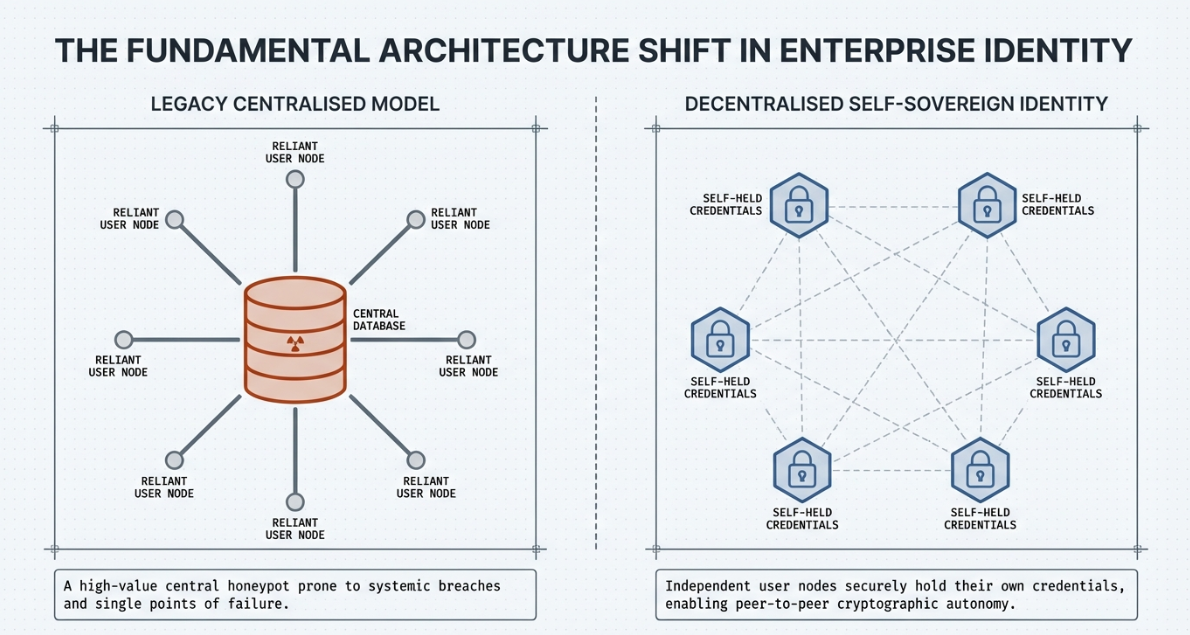
Before exploring Layer 2, it’s essential to understand how blockchain layers are structured. The Layer 1 blockchain refers to the base protocol like Ethereum, Bitcoin, Solana, etc. that handles on-chain transactions and maintains consensus. While Layer 1 chains are secure and decentralized, they often suffer from congestion, slow processing speeds, and high gas fees, especially during peak usage.
To overcome these issues, Layer 2 solutions build on top of Layer 1 networks, processing transactions off-chain or in batches before settling them back on the main chain. This architecture reduces the burden on Layer 1, drastically improving efficiency and scalability.
Why Layer 2 Solutions Are Crucial Today
One of the biggest criticisms of traditional blockchains like Ethereum is their limited throughput. Ethereum, for example, can handle only about 15–30 transactions per second (TPS), whereas traditional payment processors like Visa can process thousands.
This bottleneck has led to:
– Skyrocketing gas fees
– Slower confirmation times
– Poor user experiences
– As blockchain adoption accelerates across industries, especially in DeFi, NFTs, gaming, and supply chain, the need for faster, more scalable solutions becomes urgent. Layer 2 technology addresses these pain points without requiring radical changes to existing Layer 1 protocols.
Types of Layer 2 Solutions
Layer 2 isn’t a one-size-fits-all approach. Several different technologies fall under the Layer 2 umbrella, each with its unique mechanism. Let’s explore the most common ones:
1. Rollups
Rollups are perhaps the most prominent form of Layer 2. They execute transactions off-chain and post compressed data back to Layer 1. There are two major types:
– Optimistic Rollups (e.g., Optimism, Arbitrum): Assume transactions are valid by default and only verify if challenged.
– ZK-Rollups (e.g., zkSync, StarkNet): Use zero-knowledge proofs to instantly validate transaction batches.
Both types significantly increase throughput while reducing gas fees, making them ideal for high-volume use cases.
2. State Channels
State Channels enable two parties to conduct multiple transactions off-chain, recording only the final state on the main blockchain. This drastically reduces the number of on-chain operations.
State channels are well-suited for scenarios like gaming, micro-payments, or instant fund transfers.
3. Plasma
Plasma chains are smaller blockchains attached to the main chain, executing transactions independently and periodically settling on Layer 1. While similar to rollups, Plasma has limitations in general-purpose computation but is useful for specific transaction types.
4. Sidechains
Though technically not a Layer 2 in the strictest sense, sidechains are independent blockchains that run in parallel to the main chain, with their own consensus mechanisms. Polygon PoS is a notable example. Sidechains offer scalability but may compromise on decentralization and security.
Key Benefits of Layer 2 Solutions
The surge in Layer 2 adoption isn’t without reason. These solutions offer several compelling advantages:
1. Scalability
Layer 2 solutions dramatically increase the number of transactions processed per second, making the blockchain capable of supporting large-scale applications.
2. Lower Transaction Fees
By reducing on-chain activity, users enjoy significantly lower gas fees, making blockchain more accessible for everyone.
3. Faster Transactions
Instant or near-instant transaction confirmation improves user experience, especially in time-sensitive applications like trading or gaming.
4. Network Congestion Relief
Layer 2 systems relieve the base chain from heavy traffic, ensuring smoother operation even during high demand periods.
Real-World Adoption and Use Cases
Leading platforms and projects have already started integrating Layer 2 into their ecosystems. For example:
– Uniswap: Deployed on Optimism and Arbitrum to offer faster, cheaper trades.
– OpenSea: Integrating Layer 2 for lower NFT minting and trading fees.
– Chainlink: Exploring hybrid smart contracts using off-chain computation.
Even governments and enterprises are showing interest, particularly for CBDCs (Central Bank Digital Currencies) and cross-border payments.
Challenges and Considerations
While Layer 2 technology holds immense promise, it isn’t without challenges. Some key concerns include:
– Security Risks: Off-chain solutions can be vulnerable to bugs or exploitation if not thoroughly tested.
– User Complexity: Bridging assets between Layer 1 and Layer 2 can be complicated for new users.
– Ecosystem Fragmentation: Too many Layer 2 networks may lead to liquidity and user-base fragmentation.
However, the community is actively working on improving interoperability, user interfaces, and developer tooling, ensuring smoother adoption over time.
What’s Next for Layer 2?
The future looks incredibly bright for Layer 2. With Ethereum’s continued roadmap, including the eventual shift to Danksharding and further scalability enhancements, Layer 2s are expected to complement, not replace, Layer 1.
Additionally, the emergence of Layer 3 and modular blockchain designs (like Celestia and Avail) suggest that multi-layer architectures could become the standard for Web3 infrastructure.
As blockchain moves closer to mainstream adoption, Layer 2 solutions will play a pivotal role in enabling mass usage without sacrificing decentralization or security.
Final Thoughts
The rise of Layer 2 solutions in blockchain is more than just a technical evolution, it’s a necessary leap toward a more scalable, inclusive, and user-friendly decentralized world.
Whether you’re a developer, investor, or just a curious observer, understanding Layer 2 isn’t optional, it’s foundational. As platforms like Optimism, Arbitrum, zkSync, and Polygon continue to mature, they are actively reshaping how we experience blockchain.
In a world where speed, cost-efficiency, and decentralization must coexist, Layer 2 is the bridge that connects ambition with reality.
About SecureDApp
SecureDApp is closely tracking the evolution of Layer 2 protocols and helping Web3 builders secure their applications in this new multi-layered landscape. If you’re building on Layer 2, consider leveraging SecureDApp’s smart contract auditing tools like Audit Express to ensure your application is as secure as it is scalable.