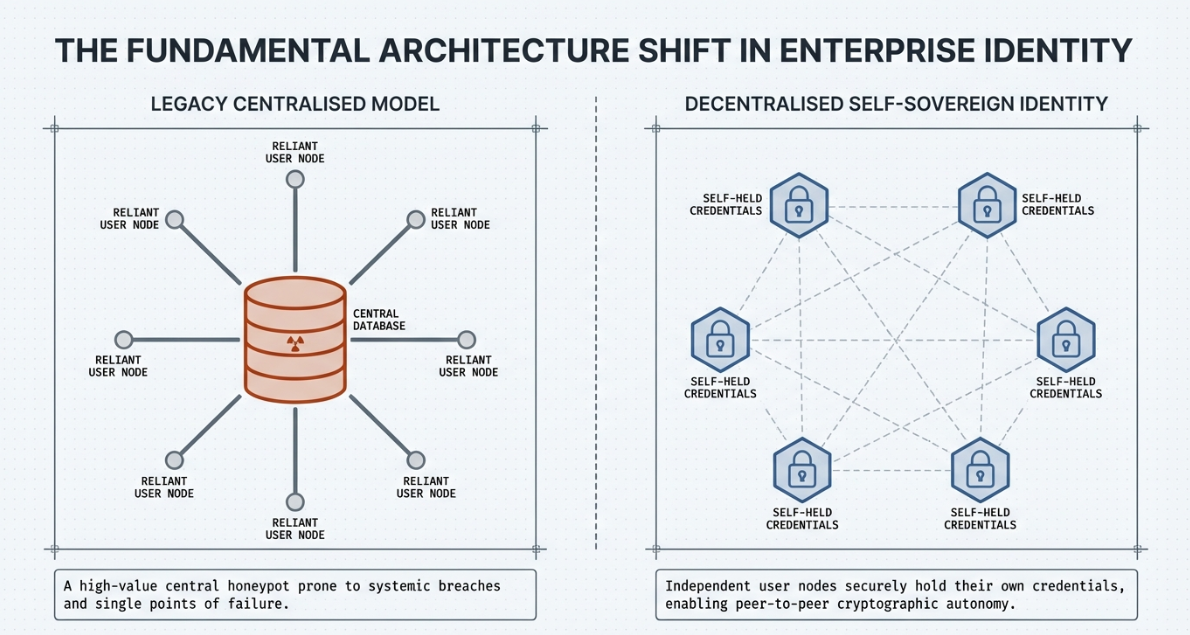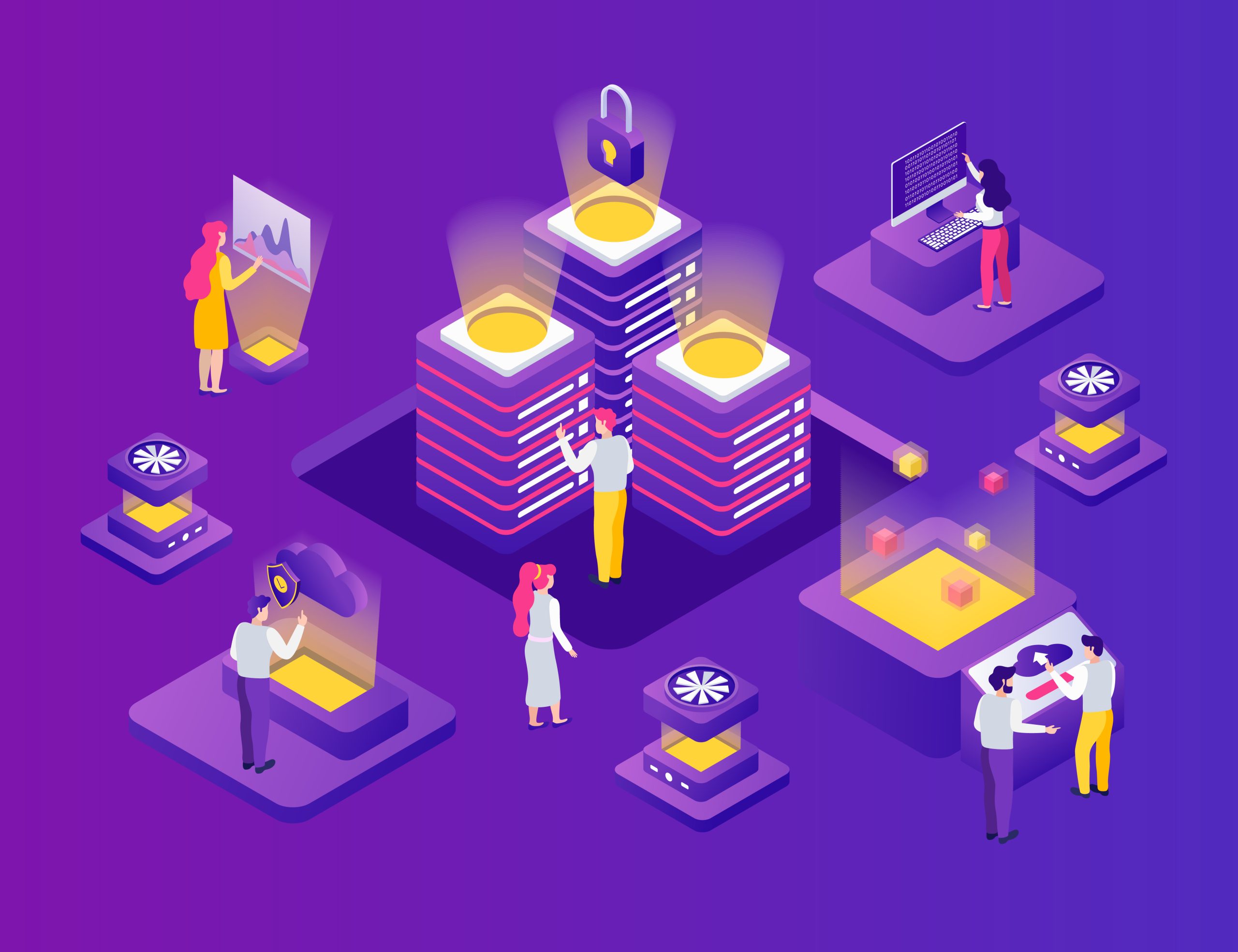

Blockchain technology continues to reshape how people collaborate online, and one of its most transformative innovations is the Decentralized Autonomous Organization (DAO). A DAO is an online community built around a shared purpose, and instead of depending on a central authority, it uses smart contracts to enforce rules. Members participate directly through governance tokens that allow them to vote on proposals and shape the DAO’s future. Because of this structure, DAOs unlock new opportunities for innovation, but they also introduce fresh legal and operational challenges.
Technical Innovations and Industry Applications
DAOs rely on smart contracts to run their operations. These programs define how members propose ideas, vote, and manage shared resources. Moreover, they automate key processes such as token distribution, treasury management, and governance workflows. As a result, DAOs operate with less manual effort and greater transparency.
Additionally, blockchain technology records every action taken within a DAO. Since this ledger is tamper-proof and publicly accessible, anyone can verify decisions and financial movements. This level of transparency strengthens trust among members. Popular blockchains like Ethereum, Solana, and Cosmos support DAO ecosystems due to their smart-contract capabilities.
However, automation also creates new risks. If smart contract code contains flaws, attackers can exploit them and cause major financial losses. Therefore, developers frequently perform thorough audits to reduce vulnerabilities and ensure operational safety.
Most importantly, a DAO distributes decision-making power among token holders. Unlike traditional hierarchical organizations, DAOs encourage a more democratic structure where every token holder’s vote matters.
Key Real-World Applications of DAOs
DAOs now power a wide range of industries. Some of the most promising applications include:
1. Venture Capital DAOs
Groups pool funds to invest in startups together, which makes venture investing more accessible and community-driven.
2. Philanthropy DAOs
Contributors decide how to allocate donations, creating transparent and community-led charitable initiatives.
3. Decentralized Social Media Platforms
DAO-governed platforms allow users—not corporations—to control content policies, data rights, and moderation rules.
4. Freelancing and Creator DAOs
Freelancers can govern their own platforms, set fair rates, and resolve disputes collectively, improving transparency and fairness.
5. Decentralized Finance (DeFi)
Many DeFi protocols rely on DAOs for governance. This gives communities full control over interest rates, lending rules, reward structures, and other financial features.
Legal and Regulatory Uncertainties
Although DAOs introduce powerful new possibilities, they also raise complex legal questions. For instance:
- Who is responsible for a DAO’s actions?
Is responsibility shared between token holders, founders, or developers? - Are governance tokens considered securities?
If regulators classify them as such, DAOs may need to comply with strict financial regulations. - How should taxation work within a DAO?
Since DAOs do not have a central operator, tax authorities struggle to determine who must report income. - Can existing blockchains support large-scale DAO activity?
During high network congestion, transactions may slow down or become too expensive. - How can teams prevent smart contract attacks?
Without strong auditing and testing, malicious actors can exploit vulnerabilities and compromise DAO operations.
Evolving Solutions and the Road Ahead
Gradually, regulators are studying DAOs to understand how existing laws should adapt. At the same time, developers are creating better tools and frameworks to support safe and scalable decentralized governance.
To strengthen the ecosystem, several improvements are emerging:
1. Clearer Regulatory Frameworks
Governments may introduce DAO-specific laws that reflect the decentralized nature of these organizations.
2. Community-Driven Self-Regulation
DAOs can create internal rules, dispute-resolution mechanisms, and ethical standards to maintain accountability.
3. Advances in Scalability and Security
Layer-2 solutions, cross-chain interoperability, and advanced auditing techniques continue to reduce risks and increase efficiency.
Together, these developments can help DAOs grow while protecting users and encouraging long-term adoption.
Conclusion
Decentralized Autonomous Organizations offer a powerful new way for communities to collaborate, innovate, and manage shared resources. However, their success depends on overcoming key legal, regulatory, and technical challenges. Moving forward, regulators, developers, and community members must work together to build secure, transparent, and sustainable DAO ecosystems. With the right support, DAOs can significantly reshape how people organize and operate in the digital age.