
Introduction
As blockchain adoption accelerates in 2026, cryptocurrencies, tokenized assets, and decentralized applications (dApps) are becoming an integral part of the global digital economy. Alongside this growth, governments and regulators are introducing clearer frameworks to address privacy, compliance, and consumer protection. While blockchain’s transparency strengthens trust and security, it also raises important questions about how personal and financial data should be protected.
The future of token regulation is no longer focused solely on compliance; it is increasingly centered on balancing innovation, privacy rights, and regulatory oversight. Emerging technologies such as decentralized identity (DID), zero-knowledge proofs (ZKPs), and privacy-preserving smart contracts are helping organizations meet legal requirements without compromising user confidentiality. This guide explores how token regulation is evolving in 2026 and what businesses, developers, and investors should know about protecting data in the next generation of blockchain ecosystems.
Understanding the Token Landscape
Before we explore privacy issues, it helps to understand the different types of tokens and their roles:
Cryptocurrencies: Digital currencies like Bitcoin enable decentralized, borderless, and secure transactions.
Utility Tokens: These tokens power decentralized applications (dApps). Users need them to access services or features on blockchain platforms.
Security Tokens: These tokens represent ownership in real assets. Because they offer profit-sharing and asset backing, they often fall under securities laws.
Tokenized Assets: Real-world assets such as real estate, art, or commodities are converted into blockchain tokens. This makes them easier to trade and more accessible to investors.
The Current State of Token Regulation
Token regulation is still evolving. Different countries use different definitions and rules, creating a patchwork of frameworks.
Meanwhile, AML (Anti-Money Laundering) and KYC (Know Your Customer) rules have become essential for exchanges and businesses dealing with tokens.
Some countries now regulate Security Token Offerings (STOs) to offer legal clarity and protect investors.
As regulations expand, the industry is also forced to rethink how to protect user data and maintain privacy.
The Future of Token Regulation: Addressing Privacy Concerns
1. Privacy Challenges
Blockchain is transparent by design. While this creates trust, it also exposes transaction details. Anyone can see wallet activity on a public blockchain, which raises privacy concerns.
Users expect confidentiality in financial interactions. The challenge is finding a balance between transparency and personal privacy.
2. Privacy Coins
Privacy coins like Monero (XMR) and Zcash (ZEC) use advanced cryptography to hide transaction details. They offer strong privacy protections.
However, regulators worry that complete anonymity may support illegal activities.
Thus, the industry must strike a balance between privacy rights and compliance needs.
3. Regulatory Responses
Regulators are now working to address privacy in the token world. They want to protect users without blocking innovation.
To achieve this, many agencies consult blockchain companies, researchers, and developers. This collaboration helps create rules that support privacy while preventing misuse.
4. Privacy-Enhancing Technologies
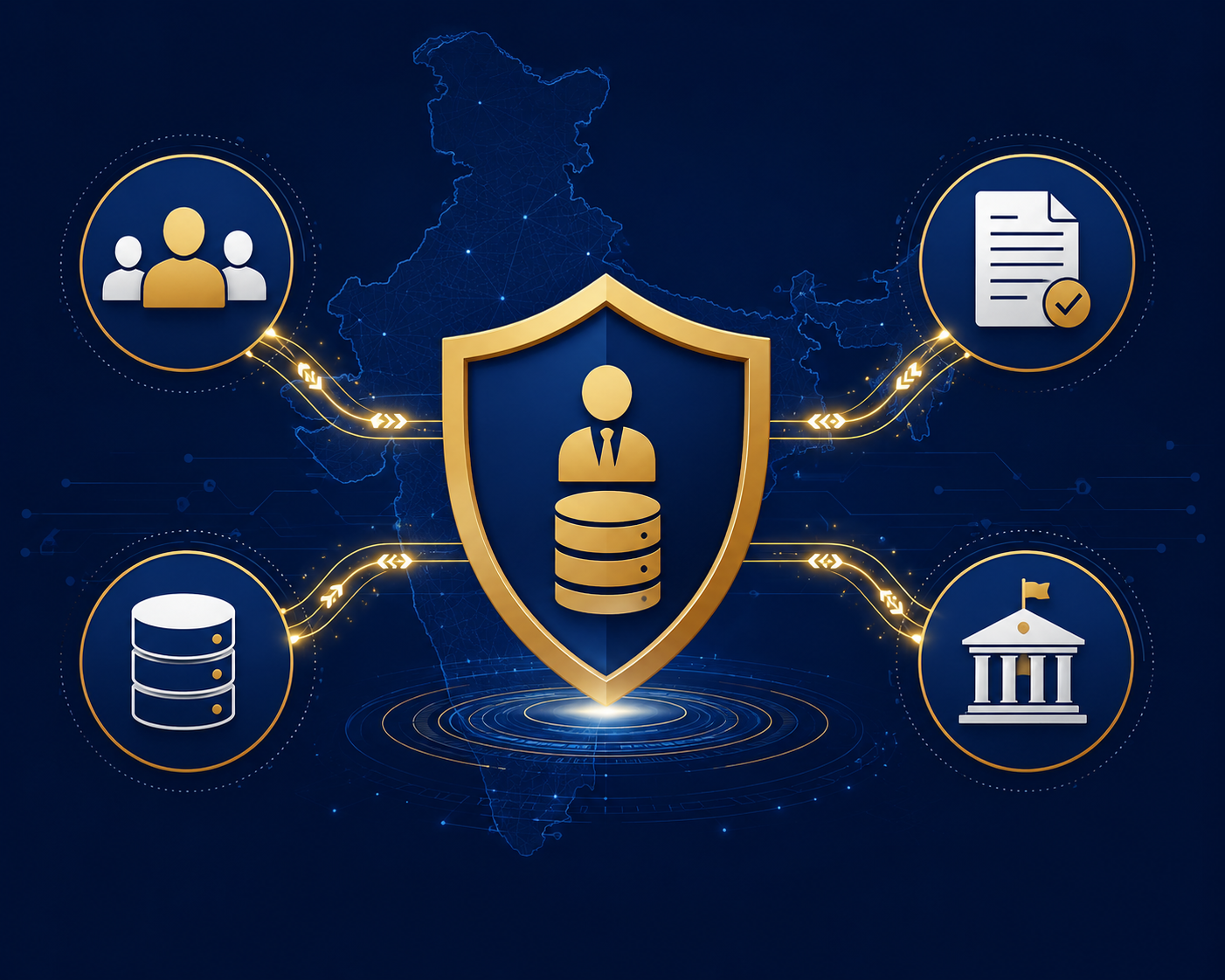
New technologies offer ways to protect user privacy while keeping systems transparent. These include:
- Zero-knowledge proofs
- Confidential transactions
- Privacy-preserving smart contracts
These tools help users control their data while maintaining auditability where needed.
5. User Consent and Control
User control over personal data is essential.
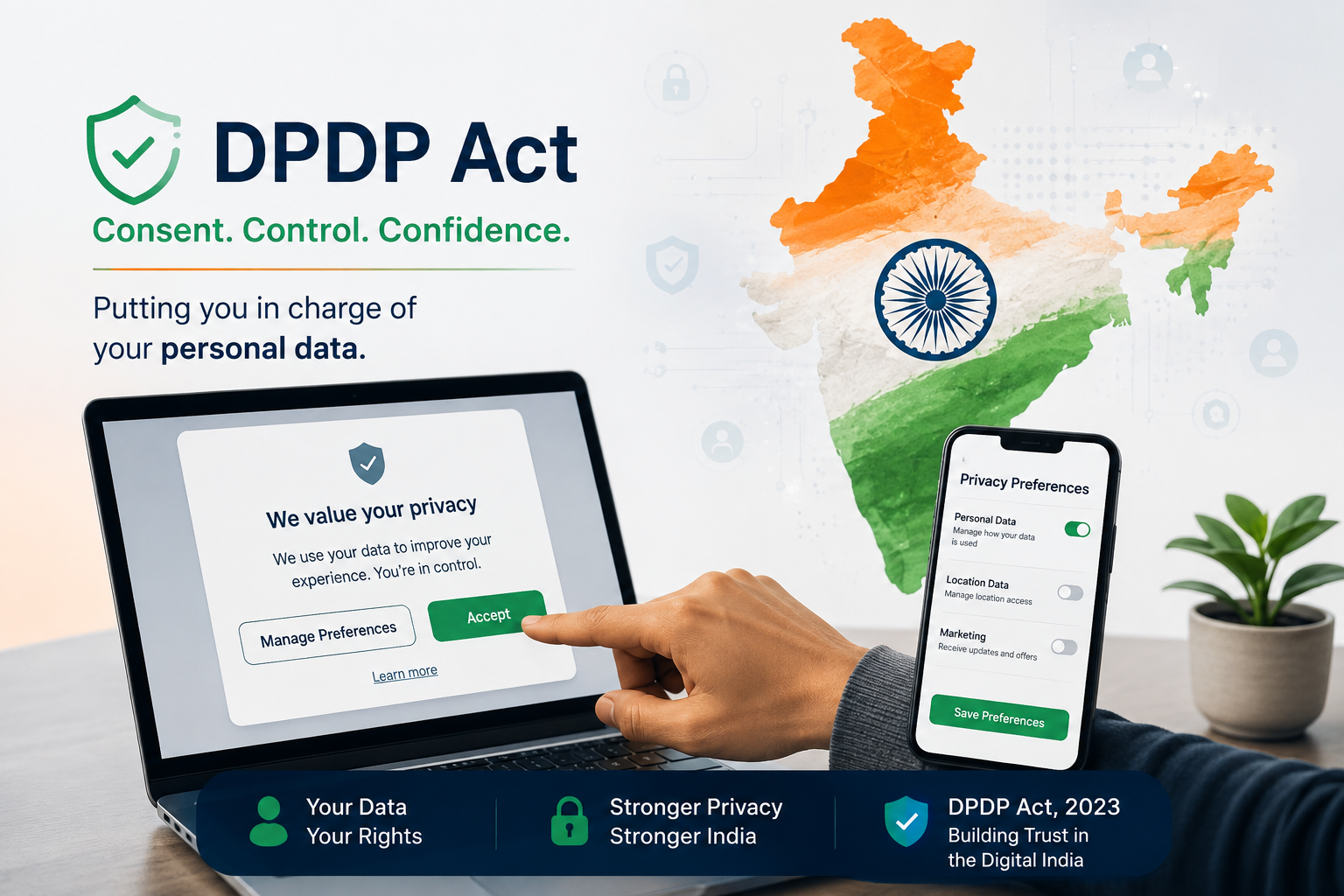
Decentralized identity (DID) systems give users the power to choose how their data is shared. Consent tools allow users to approve or deny access with clarity and security.
This shift puts privacy back into the hands of the individual.
6. Cross-Border Data Flow
Global token systems must handle international data laws such as:
- GDPR (Europe)
- CCPA (California)
Companies using blockchain must comply with these rules while enabling global transactions. Managing both goals at once is complex but essential.
7. Transparency and Traceability
Privacy is vital, but so is transparency. Regulators need audit trails to detect fraud, track illegal activity, and protect users.
The challenge is balancing privacy with public safety. Governments and blockchain innovators are working to find solutions that support both.
Conclusion
The next phase of token regulation will focus heavily on privacy and data rights. As blockchain continues to grow, regulators and industry leaders must work together to create fair and effective rules.
By balancing privacy, transparency, and compliance, we can unlock the full potential of tokens while protecting user rights. The future of token regulation depends on this balance.
If the industry succeeds, it will build a safer, more private, and more trusted digital ecosystem for everyone.
Blog By – Advocate Aryaman Shirish Tiwari
LinkedIn
FAQs
1: Why is privacy becoming a major focus in token regulation?
As blockchain adoption grows, regulators are placing greater emphasis on protecting personal and financial data while maintaining transparency for compliance. Modern regulations aim to balance user privacy with requirements related to anti-money laundering (AML), fraud prevention, and consumer protection.
2: How do zero-knowledge proofs improve blockchain privacy?
Zero-knowledge proofs (ZKPs) allow users to verify information without revealing the underlying data. This technology enables organizations to meet compliance requirements, such as identity verification, while minimizing the exposure of sensitive personal information.
3: What role does decentralized identity (DID) play in token regulation?
Decentralized identity gives users greater control over their digital credentials by allowing them to decide when and how personal information is shared. DID solutions also help organizations comply with privacy regulations while reducing the risks associated with centralized identity databases.
4: How can blockchain projects comply with global privacy regulations?
Blockchain projects can improve compliance by implementing privacy-enhancing technologies, conducting regular security audits, following KYC/AML requirements where applicable, and aligning with regulations such as GDPR, CCPA, and other regional data protection laws. Compliance strategies should also be reviewed regularly as regulations evolve.
5: How is token regulation expected to evolve beyond 2026?
Future token regulations are expected to focus on standardized global compliance frameworks, stronger consumer protection, interoperability between jurisdictions, AI-assisted compliance monitoring, and greater adoption of privacy-preserving technologies. These developments aim to encourage innovation while maintaining security, transparency, and regulatory accountability.