
Introduction
In a world moving rapidly toward decentralization, the need for insightful conversations has never been greater. That is why SecureDApp proudly presents the Faceoff Series, a thought-provoking set of debates on blockchain security, decentralized applications (DApps), and Web3 development.
Across three dynamic episodes, leading voices will tackle critical questions such as Smart Contract Audit Security vs Runtime Security, Decentralized Identity vs Centralized Identity, and Solidity vs Rust, uncovering which path will shape the future of Web3.
Let’s explore why each session is a must-attend.
Smart Contract Audit Security vs Runtime Security: Which One Truly Protects DApps?
Date: 30th April
Format: Live on Zoom and YouTube
Guest Speakers:
Smart Contract Audit Security: Athindra Kowjalgi
Runtime Security: Karan Sontakke
Securing decentralized applications begins with an important decision: is it better to focus on auditing the code before deployment or on monitoring threats during runtime?
Smart Contract Audit Security ensures vulnerabilities are detected and fixed before a contract goes live. It is a proactive approach that strengthens trust and reduces the risk of critical exploits. On the other hand, Runtime Security emphasizes continuous protection after deployment. It monitors live contracts, detects real-time threats, and reacts quickly to any suspicious activity.
Why This Matters
In blockchain, once a smart contract is deployed, it becomes immutable. Fixing issues after the fact is not an option. This makes it crucial for project teams to understand the balance between robust auditing and effective runtime monitoring. The opening Faceoff episode will break down these strategies, helping developers and founders build stronger, more resilient DApps.
Decentralized Identity vs Centralized Identity: Shaping the Future of Web3 Access
Date: 19th May
Format: Live on Zoom and YouTube
Guest Speakers:
Decentralized Identity: Akanksha Bedi
Centralized Identity: Charan Teja
Identity management is a growing concern as Web3 adoption accelerates. Should DApps empower users with decentralized identity models or stick to traditional centralized systems for easier onboarding?
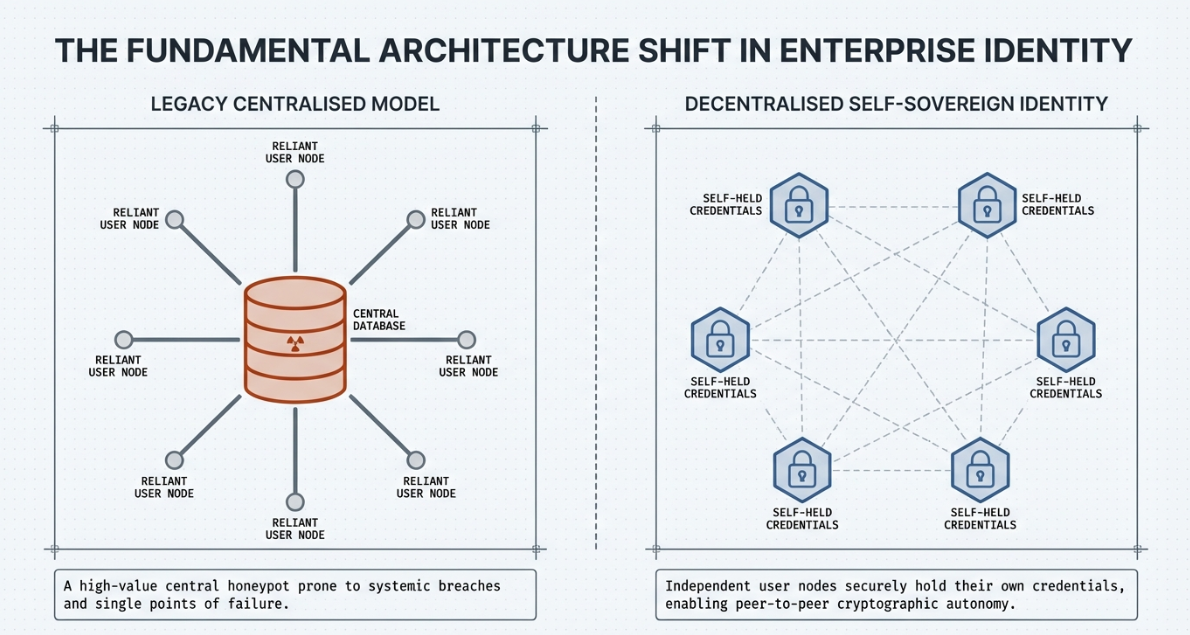
Decentralized Identity (DID) puts users in control of their digital identities. It enhances privacy, reduces reliance on third-party providers, and limits the risk of mass data breaches. Meanwhile, Centralized Identity (CID) systems provide simplicity and speed, relying on trusted authorities to manage user data, making it easier for newcomers to access blockchain applications.
Why This Matters
Identity systems impact user trust, data privacy, regulatory compliance, and scalability. Selecting the right model can shape the growth and success of a project. In this Faceoff episode, expert voices will explore the pros and cons of both approaches, giving blockchain builders crucial insights into securing their platforms while maintaining user convenience.
Solidity vs Rust: The Battle for Web3 Development Supremacy
Date: 12th June
Format: Live on Zoom and YouTube
Guest Speakers: TBD
For developers entering Web3, the choice of programming language is more important than ever. Two giants dominate the conversation: Solidity and Rust.
Solidity is the most widely used smart contract language, particularly for Ethereum and its Layer 2 ecosystems. It is beginner-friendly, backed by a mature community, and offers extensive resources for developers. Rust, however, is gaining rapid traction among high-performance blockchain projects like Solana, Polkadot, and NEAR. It offers unmatched speed, memory safety, and flexibility for building scalable decentralized systems.
Why This Matters
Choosing the right language is more than just a technical decision. It is a strategic move that could define a developer’s career path. Solidity developers are currently in high demand, but Rust expertise is becoming one of the most valuable skills in the emerging blockchain landscape. This Faceoff episode will guide developers, tech leads, and CTOs on where to focus their learning and how to future-proof their skills in the Web3 economy.
What Makes the Faceoff Series Different?
Unlike traditional webinars, the Faceoff Series is built around debate-driven sessions that challenge assumptions and spark fresh ideas. It’s not just about listening but about engaging, questioning, and learning.
Each session will include:
Opening arguments from both sides
Rapid-fire rounds to test real-world thinking
Live audience Q&A sessions
Final thoughts highlighting actionable takeaways
Expect vibrant exchanges, expert opinions, and practical insights that you can apply immediately to your blockchain projects.
Powered by SecureDApp
The Faceoff Series is proudly hosted by SecureDApp , a leader in blockchain security and decentralized development. SecureDApp’s mission is to help projects innovate safely, offering services such as smart contract audits, decentralized identity solutions, and runtime security frameworks.
By creating knowledge-driven events like the Faceoff Series, SecureDApp continues to strengthen the global blockchain ecosystem, empowering developers, entrepreneurs, and businesses to build securely and confidently.
Save the Dates
Mark your calendars for these important sessions:
30th April — Smart Contract Audit Security vs Runtime Security (Athindra Kowjalgi vs Karan Sontakke)
19th May — Decentralized Identity vs Centralized Identity (Akanksha Bedi vs Kunal Chowdhury)
12th June — Solidity vs Rust (Guest Speakers: TBD)
Hurry and register now, limited seats are available. Register here: https://lu.ma/at97cxhw.