
Introduction
The world of NFTs has exploded with innovation and opportunity, but beneath the hype lies The Dark Side of NFTs: How Scams Operate and How to Spot Them. While digital art and collectibles promise creators true ownership and collectors unique assets, this fast-paced evolution has also opened the doors for fraudsters. From phishing schemes to rug pulls, NFT scams have become increasingly sophisticated, preying on both beginners and seasoned investors. Understanding how these scams operate is essential if you want to navigate the Web3 landscape safely and confidently.
Understanding the NFT Ecosystem
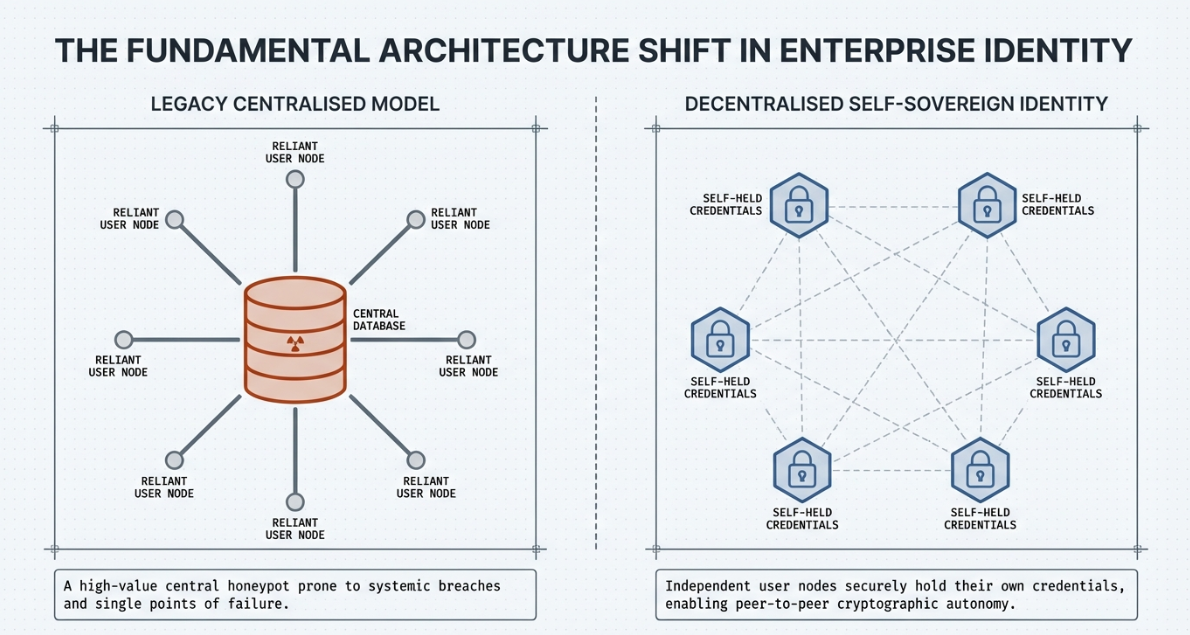
Non-Fungible Tokens (NFTs) are digital assets verified on a blockchain, representing ownership of unique items like art, music, or even real estate. Unlike cryptocurrencies such as Bitcoin, NFTs are non-interchangeable, giving them distinct value. However, the decentralized nature of blockchain technology, which provides transparency and immutability, also gives scammers a playground to exploit unsuspecting users. The promise of massive returns and viral success stories often blinds new users to the potential threats. As the NFT space continues to grow, so does the complexity of scams targeting this ecosystem.
Common NFT Scams and How They Operate
1. Phishing and Fake Marketplace Links
Phishing scams remain one of the most common tactics used by NFT fraudsters. They create fake websites that mimic legitimate marketplaces like OpenSea or Blur, tricking users into entering their wallet credentials. Once access is granted, scammers quickly transfer assets out of the victim’s account. Always double-check URLs before connecting your wallet. SecureDApp’s Secure Watch can help detect and block suspicious blockchain activities in real time, protecting users from connecting to malicious smart contracts.
2. Rug Pulls and Fake Projects
A rug pull occurs when developers hype a project, attract large investments, and then disappear with the funds. These scams are prevalent in new NFT launches where project creators promise future utilities, staking rewards, or game integrations that never materialize. To avoid falling victim, verify the project’s team, check their GitHub repositories, and look for third-party smart contract audits from trusted platforms like SecureDApp’s Solidity Shield, which ensures the integrity of project code before launch.
3. Pump and Dump Schemes
In these scams, a group artificially inflates the price of an NFT collection through false hype and coordinated purchases. Once prices peak, the group sells off their holdings, leaving others with worthless assets. These scams often occur in private Discord channels or Telegram groups, where participants are lured with exclusive opportunities. Be cautious of sudden price surges and always check for organic community engagement. Genuine projects usually focus on long-term utility and not quick profits.
4. Counterfeit NFTs and Plagiarized Art
One of the biggest challenges in the NFT space is art theft. Scammers mint stolen artwork from digital artists and sell it as their own. Buyers, thinking they’re purchasing an original, end up owning a fake. Platforms are improving their verification systems, but scammers remain persistent. To protect yourself, purchase NFTs from verified creators or official links shared by artists on their social profiles. Cross-check art listings across multiple platforms to ensure authenticity.
The Psychological Tricks Behind NFT Scams
NFT scams often leverage psychological manipulation. Scammers exploit FOMO (Fear of Missing Out) by creating artificial scarcity or limited-time offers. They use social proof by generating fake followers or engagement to make projects appear legitimate. In some cases, influencers unknowingly promote fraudulent NFT collections, adding credibility to scams. Recognizing these manipulation tactics can significantly reduce the likelihood of falling prey to deceptive marketing.
The Role of SecureDApp in NFT Protection
Web3 security is no longer optional it’s essential. SecureDApp offers cutting-edge solutions designed to safeguard blockchain ecosystems and NFT investors.
– Secure Watch monitors blockchain transactions in real time to detect suspicious activities before they cause harm.
– Solidity Shield provides in-depth smart contract audits, ensuring that NFT projects are safe, transparent, and free from vulnerabilities.
By integrating SecureDApp tools, investors and developers can create a more trustworthy and transparent NFT environment, reducing the risk of exploitation and fraud.
How to Spot NFT Scams Before It’s Too Late
Verify the Project’s Authenticity
Always research the creators behind an NFT project. Check for active engagement on social media, visible team members, and a detailed roadmap. Legitimate projects usually have clear communication, audited contracts, and transparent ownership records.
Analyze Smart Contracts
Before minting any NFT, inspect the smart contract. If you’re unsure, platforms like SecureDApp’s Solidity Shield can audit the code for vulnerabilities or hidden functions that could drain your wallet.
Look for Red Flags
Red flags include unrealistic promises, anonymous teams, and unverified social media accounts. Also, be wary of projects that pressure users to buy quickly or hide essential information in their whitepapers.
Use Reputable Wallets and Marketplaces
Stick to trusted NFT marketplaces and wallets with robust security measures. Avoid connecting your wallet to unfamiliar sites and use multi-factor authentication whenever possible.
Real-World Examples of NFT Scams
In 2022, a popular NFT project promised investors exclusive metaverse land and rewards but disappeared after raising millions in Ethereum. Another case involved counterfeit NFTs of famous digital artists sold through fake verified profiles. These incidents highlight how quickly scams evolve. While regulators work to establish clearer guidelines, the best protection remains education, vigilance, and security-first tools like those offered by SecureDApp.
Building a Safer Web3 Future
The NFT landscape will continue to evolve, and so will the scams. However, the community can collectively strengthen the ecosystem by prioritizing transparency, ethical development, and user education. Security tools, audits, and proactive monitoring are the pillars of this safer future. If you’re an investor, take time to research projects deeply. If you’re a developer, consider integrating Secure Watch and Solidity Shield into your workflow to safeguard users and your project reputation. To explore more insights about blockchain security, visit the SecureDApp Blog for in-depth articles and real-world security case studies.
Conclusion
The dark side of NFTs may seem daunting, but awareness and the right security tools can turn this risk into resilience. By understanding how NFT scams operate and learning how to spot them early, you can protect your investments and contribute to a more secure Web3 environment. Remember, in the world of decentralized assets, security is your personal responsibility. Equip yourself with knowledge, verify every project, and rely on trusted platforms like SecureDApp to stay ahead of malicious actors.