
Introduction
Tackling Security Challenges in Crypto Space: Expert Insights with Venkatesh L. begins by recognizing that crypto exchanges sit squarely in attackers’ crosshairs and that defending them requires a multi‑layered, continually evolving approach. In the third webinar of SecureDApp’s Bharat Security Initiative (SBSI), ethical hacker and cybersecurity advisor Venkatesh L. outlined everything from customer‑side phishing to sophisticated AI‑enabled deepfake schemes. Building on his expert map of the threat landscape, this article dives into each modern threat and the defenses every exchange, developer, and user should deploy. For a comprehensive security playbook, check out our internal guide on crypto security best practices.
Why Crypto Exchanges Remain Irresistible Targets
Cryptocurrency exchanges hold vast sums of digital assets and process enormous daily transaction volumes, making even a single breach potentially catastrophic. Hot wallets those connected to the internet for instant trading provide attackers with an online gateway to steal private keys or exploit server vulnerabilities. On the user side, weakened credentials and compromised accounts can be emptied in minutes. As Venkatesh noted, the “popularity of cryptocurrencies has seen an exponential rise in crypto exchange hacks,” so exchanges must assume they will be probed and attacked constantly.
Tackling Security Challenges in Crypto Space: Modern Threats
Venkatesh’s threat taxonomy spans both customer and exchange attack vectors:
Social Engineering & Phishing
Attackers craft convincing fake emails and websites that mimic official communications from exchanges. Leveraging AI‑generated text, they personalize phishing at scale, tricking even knowledgeable users into surrendering usernames, passwords, or MFA codes.
SIM‑Swap and Account Takeover
By hijacking a victim’s phone number, criminals intercept SMS‑based 2FA codes and reset passwords, draining accounts quickly. “Reliance on phone numbers for 2FA creates a single point of failure,” Venkatesh warned underlining why app‑based or hardware tokens are preferred.
Hot Wallet Exploits
Hot wallets are prime targets because they’re always online. Past incidents reveal attackers exploiting software bugs or stolen private keys to empty these wallets. Contrast this risk with cold storage kept offline on hardware devices which drastically reduces exposure.
Smart‑Contract and API Attacks
Decentralized exchanges and bridges run on smart contracts that, if buggy, can leak funds. The 2021 Poly Network hack, which siphoned $600 million through flawed contract logic, remains a stark reminder. On the centralized side, unsecured or overly permissive APIs and leaked API keys can allow illicit trades or withdrawals.
Insider Threats
Not all breaches originate externally. Rogue employees or compromised admin accounts can introduce backdoors or authorize unauthorized transfers. Venkatesh stressed that a breach could come from within unless organizational controls are tight.
Defense in Depth: Authentication, Passkeys, and Secure APIs
A layered defense model starts with strong authentication:
– MFA Best Practices: Hardware tokens (e.g., YubiKeys) or biometric passkeys using FIDO2/WebAuthn are far safer than SMS or app‑based codes. Even basic MFA on withdrawals and high‑risk actions significantly reduces account takeovers.
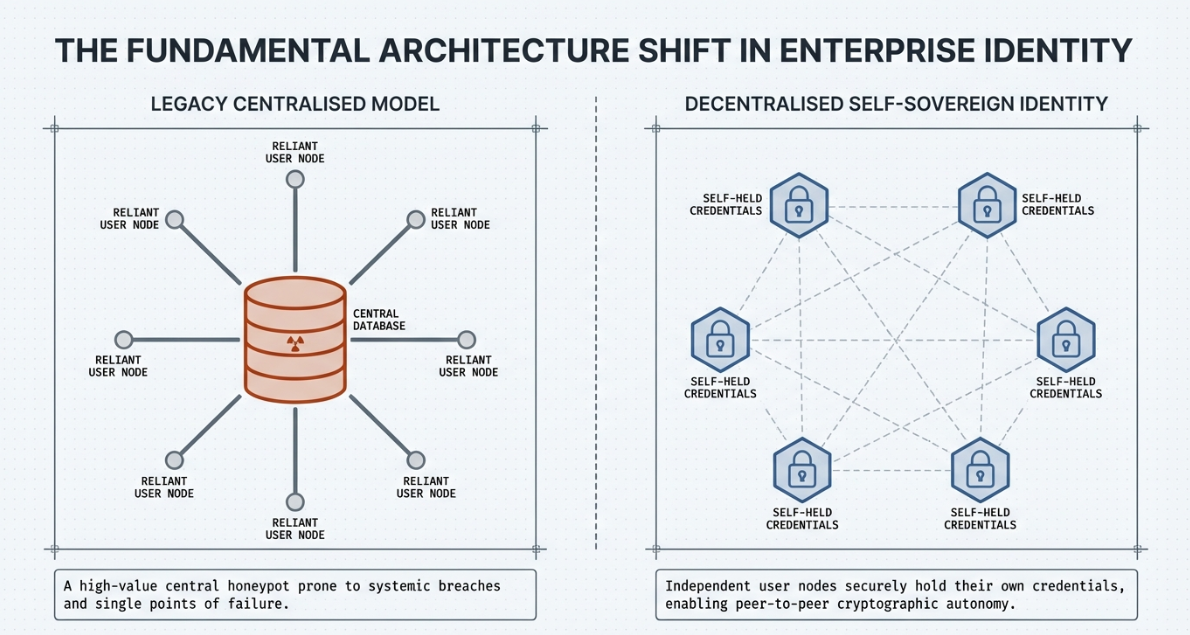
– Passwordless Authentication: Passkeys eliminate passwords altogether, anchoring logins to device‑specific public‑key credentials and making phishing almost impossible.
– API Hygiene: Treat API keys like passwords use long random values, limit scopes (read‑only vs. trade vs. withdrawal), rotate and expire keys regularly, store them encrypted in a vault, implement IP whitelisting, and enforce rate limits. Monitoring API usage for anomalies can turn an API into a defensive tool rather than a vulnerability.
For more on implementing these controls, see our detailed playbook on exchange security.
Battling Insider Threats with Organizational Controls
Technical measures alone aren’t enough. Organizational security must include:
– Least Privilege & Time‑Based Access: Grant employees or systems only the permissions needed for a defined period. Automatic revocation minimizes exposure if credentials are compromised.
– Separation of Duties: Require multi‑signature approvals or dual authorization for critical operations such as large transfers.
– Continuous Monitoring: Deploy SIEM and IDS/IPS solutions to log all privileged actions and trigger real‑time alerts on suspicious behavior.
– Training & Simulated Drills: Regular phishing simulations and access audits keep staff vigilant and reinforce policies.
Together, these controls create a “human firewall” that complements technical defenses.
The AI Factor: Deepfakes and Automated Attacks
Generative AI has raised the stakes on social engineering:
– Deepfake Impersonations: Attackers now use AI‑generated voice and video to pose as executives or support staff, tricking employees into wiring millions.
– Automated Phishing: GPT‑based tools craft multilingual, highly personalized emails to bypass filters and ensnare targets at scale.
– Malicious Chatbots: AI‑powered bots on messaging platforms can engage in real‑time conversations, posing as trusted contacts.
Defensive uses of AI include anomaly detection on login behavior, AI‑driven spam filters, and video liveness checks for KYC. As Venkatesh cautioned, “the bar has been raised identity and communications checks must evolve alongside these threats.”
Balancing Liquidity and Safety: Hot vs. Cold Wallets
A prudent wallet strategy involves:
– Minimal Hot Wallet Float: Keep only the assets needed for daily operations online.
– Multi‑Signature Cold Storage: Require multiple devices or keys to sign transactions, vastly reducing single‑point failures.
– Rigorous Key Management: Ensure private keys never reside on general‑purpose servers; encrypt, split, and securely back up seed phrases.
Regulatory Landscape: India and Global Standards
Crypto regulation is rapidly evolving:
– India’s Multi‑Agency Framework: RBI, SEBI, the Finance Ministry, and FIU‑IND share oversight on banking, securities, AML/CFT, and licensing. Exchanges should prepare for tighter KYC/AML checks and registration requirements under forthcoming legislation.
– Global Regimes: The EU’s Markets in Crypto‑Assets (MiCA) and the G20’s Financial Stability Board guidelines impose unified licensing, reserve mandates, and incident reporting mechanisms.
Building flexible compliance systems address whitelisting, dynamic risk‑scoring, client fund segregation ensures seamless adaptation to new rules.
Securing Smart Contracts and Bridges
DeFi introduces code‑level attack surfaces:
– Smart Contract Audits: Engage reputable firms for thorough reviews, including checks for reentrancy, overflows, and backdoors.
– Bug Bounty Programs: Incentivize external white‑hats to uncover vulnerabilities in production or audit code.
– Formal Verification: Use mathematical proofs to validate critical contract logic before deployment.
Cross‑chain bridges, which lock large sums, deserve extra scrutiny; flawed authorization logic has led to billion‑dollar thefts in the past.
Audience Q&A
Q: How can individual users protect their crypto on exchanges?
A: Assume you’re a constant target. Enable hardware or app‑based MFA, use unique strong passwords with a manager, verify URLs and emails diligently, and keep only minimal balances on exchanges transferring the bulk to a cold wallet you control.
Q: What’s the safest way for an exchange to grant admin access?
A: Follow least privilege and time‑based access. Grant minimal rights for the shortest duration, require dual authorization for high‑risk tasks, log all actions, and run simulated drills to test readiness.
Q: With AI threats rising, can technology also help defenses?
A: Definitely. AI‑driven anomaly detection can flag unusual logins or trades, AI‑powered spam filters catch advanced phishing, and video liveness checks strengthen KYC. The goal is to turn AI against attackers.
Q: How do regulations affect exchange security work?
A: Compliance bolsters security by enforcing KYC/AML checks, transaction monitoring, and incident reporting. However, it must be paired with robust technical controls regulatory and security measures should be integrated from day one.
Q: Any final tips for developers and blockchain engineers?
A: Adopt a security‑first mindset. Assume every line of code will be attacked. Embed automated scans, code reviews, and real‑time monitoring into your CI/CD pipeline. Roll out features with canary releases and feature flags, and never skip third‑party audits or bug bounties.
In the fast‑evolving crypto landscape, no single defense suffices. Only by weaving together strong authentication, secure coding, least‑privilege access, AI‑aware vigilance, and compliance readiness can exchanges and their users stay one step ahead of attackers. For more in‑depth strategies, visit our full Security Playbook internal link and explore the latest industry guidelines on Cointelegraph.
Conclusion
Tackling Security Challenges in Crypto Space demands a holistic, defense‑in‑depth strategy that evolves alongside emerging threats. By combining strong authentication, rigorous API and smart‑contract hygiene, least‑privilege access controls, AI‑aware vigilance, and up‑to‑date compliance frameworks, exchanges can build resilience against both external and insider attacks. SecureDApp stands ready to support this journey whether through continuous monitoring with Secure Watch or comprehensive smart‑contract audits via Solidity Shield empowering teams to stay ahead of attackers and safeguard digital assets around the clock.