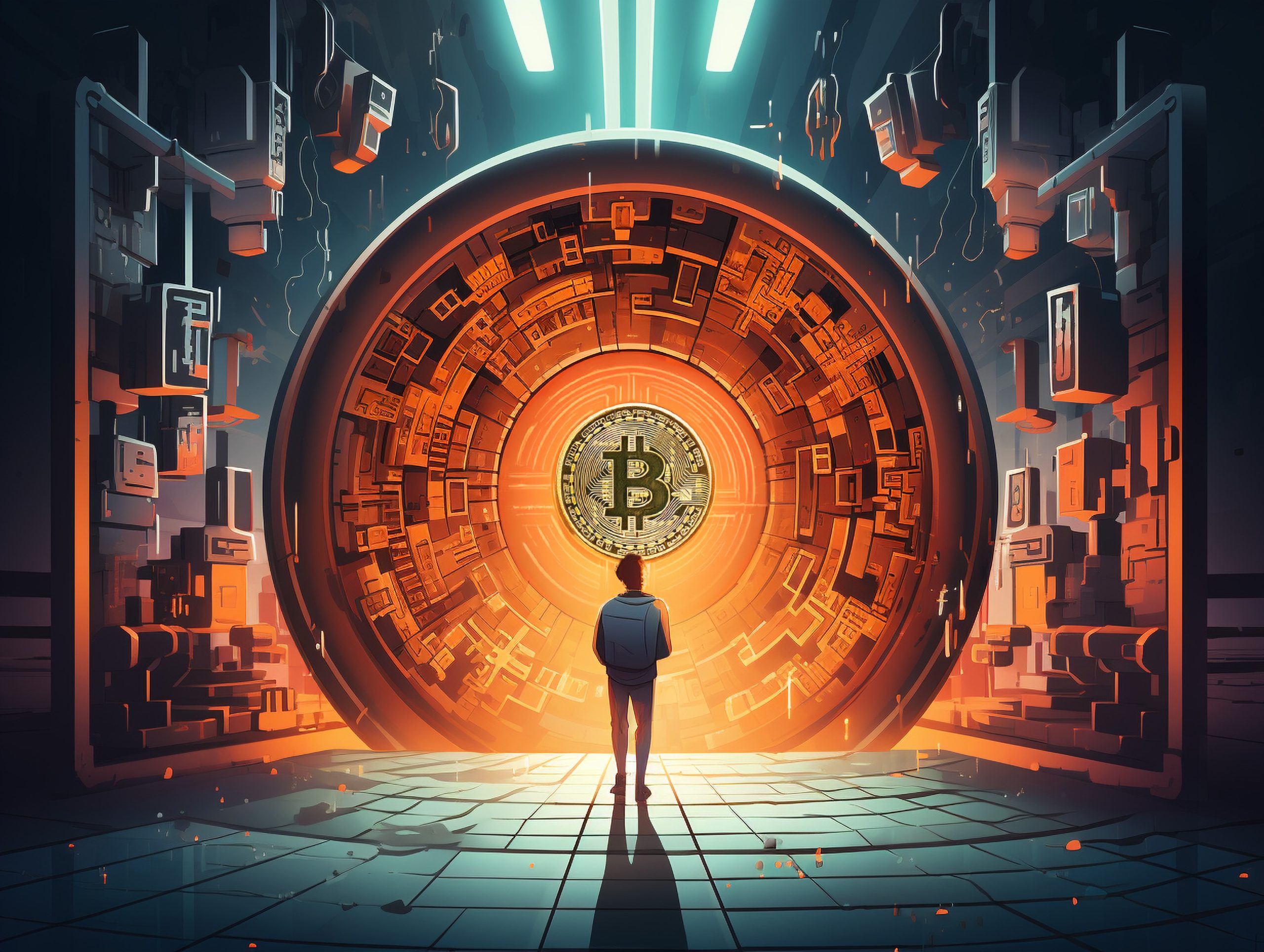

The music industry is undergoing a digital transformation as blockchain technology and smart contracts create new opportunities for artists, songwriters, producers, publishers, and streaming platforms. In 2026, creators are increasingly looking for transparent royalty systems, faster payments, secure rights management, and direct engagement with fans. Traditional royalty distribution processes often involve multiple intermediaries, delayed payments, and limited visibility into how revenue is calculated, making it difficult for creators to receive fair compensation.
Smart contracts offer a modern solution by automating royalty payments, licensing agreements, and rights management through blockchain technology. These self-executing digital agreements reduce administrative overhead, improve transparency, and ensure that payments are distributed automatically according to predefined terms. As blockchain adoption expands across the entertainment industry, smart contracts are helping reshape how music is created, distributed, licensed, and monetized.
This guide explores how smart contracts are revolutionizing the music industry, their key benefits, practical applications, implementation challenges, and the future of blockchain-powered music rights management.
Background
The music ecosystem involves artists, labels, distributors, publishers, and streaming platforms. Naturally, this creates complex workflows. One of the biggest pain points has always been royalty payments. Traditionally, these payments are slow, opaque, and prone to errors. As a result, many creators do not receive the compensation they deserve.
Rights management poses another challenge. Managing ownership, licensing, and copyright claims often requires manual processes that lead to disputes, delays, and inefficiencies. Therefore, the industry needs a more transparent and streamlined system.
How Smart Contracts Can Help
Smart contracts are self-executing programs that automatically enforce the terms of an agreement. Because they run on blockchain, they eliminate intermediaries and ensure accuracy.
By using smart contracts, the industry can automate royalty distribution, simplify licensing, and improve rights management with greater efficiency and fairness.
Transparent Royalty Distribution
With smart contracts, royalty payments can be sent automatically and instantly. This:
- Ensures creators receive their fair share
- Removes dependency on intermediaries
- Minimizes calculation errors
- Tracks revenues in real time based on predefined terms
In short, creators get paid accurately and on time, which builds stronger trust across the ecosystem.
Efficient Rights Management
Smart contracts can encode licensing terms directly into the blockchain. As a result:
- Licensing becomes faster and more transparent
- Agreements are tamper-proof
- Disputes decrease significantly
- Artists, labels, and platforms can collaborate more easily
This automation reduces manual paperwork and makes rights enforcement almost effortless.
Use Cases
Smart contracts can be applied in several impactful ways:
1. Fair Streaming Revenue Distribution
They can track every stream and distribute revenue instantly to all stakeholders based on preset percentages. This eliminates confusion, delays, and unfair deductions.
2. Simplified Licensing
Smart contracts can automate licensing transactions, making it easier for artists and platforms to collaborate. Everyone involved understands the agreement clearly, reducing room for conflict.
Benefits and Implications
Smart contracts bring several advantages to the music industry:
Fair Compensation
Artists and creators receive accurate, real-time payments, fostering trust and strengthening industry relationships.
Lower Administrative Costs
Automation eliminates tedious manual work and reduces the risk of human error.
New Business Models
Because smart contracts support micro-transactions, they enable creative revenue options such as:
- Pay-per-second listening
- Direct fan-to-artist payments
- Tokenized music ownership
These innovations can unlock new income streams for creators.
Challenges and Considerations
Despite their potential, smart contracts still face several challenges:
Regulatory Barriers
Legal frameworks must evolve to support blockchain-based agreements and ensure compliance with copyright laws.
Interoperability Issues
Smart contracts should integrate smoothly with existing music databases, streaming platforms, and global rights systems.
Addressing these hurdles is essential for widespread adoption.
Conclusion
Smart contracts can revolutionize the music industry by solving long-standing issues around royalties, licensing, and transparency. As the technology matures and more stakeholders adopt it, the industry could shift toward fairer payments, streamlined operations, and more creative business models.
Whether you are a musician, songwriter, producer, or industry professional, understanding smart contracts is crucial for staying ahead in this rapidly evolving landscape.
FAQs
1. What are smart contracts in the music industry?
Smart contracts are blockchain-based programs that automatically execute agreements when predefined conditions are met. In the music industry, they can automate royalty payments, licensing, revenue sharing, and rights management, reducing manual processes and improving transparency.
2. How do smart contracts improve royalty payments for musicians?
Smart contracts automatically distribute royalty payments to artists, songwriters, producers, and other rights holders based on agreed ownership percentages. This reduces payment delays, minimizes calculation errors, and provides greater transparency throughout the revenue distribution process.
3. Can smart contracts help manage music copyrights?
Yes. Smart contracts can securely record ownership information, licensing terms, and usage rights on a blockchain. This helps simplify copyright management, improve licensing efficiency, reduce disputes, and create verifiable records of music ownership.
4. What challenges limit blockchain adoption in the music industry?
Some of the biggest challenges include integrating blockchain with existing royalty management systems, establishing industry-wide standards, addressing regulatory and copyright requirements, ensuring interoperability between platforms, and encouraging adoption among artists, labels, publishers, and streaming services.
5. What are the future trends for blockchain in the music industry?
Emerging trends include tokenized music royalties, NFT-based music ownership, decentralized streaming platforms, AI-assisted royalty tracking, direct fan-to-artist monetization, blockchain-based licensing platforms, and greater automation of royalty management through smart contracts.