CHAPTER 1: THE EMERGENCE OF SMART CONTRACTS
Smart contracts have introduced a new era of digital agreements. They are self-executing contracts built on blockchain technology, and they bring unmatched efficiency, transparency, and security. Because of these benefits, smart contracts are now used across many industries. As adoption grows, however, new challenges appear—especially when it comes to resolving disputes in this digital environment.
The rise of smart contracts has been rapid. They automate tasks, reduce the need for intermediaries, increase transparency, and offer tamper-proof records on a decentralized ledger.
According to Markets and Markets, the global smart contracts market may grow from $145.9 million in 2021 to $564.7 million by 2026, with a CAGR of 31.5%.
With more people and businesses relying on smart contracts, it becomes essential to understand how disputes arise and how to resolve them effectively.
CHAPTER 2: UNDERSTANDING DISPUTES IN SMART CONTRACTS
Smart contract disputes can come from several sources. Most issues fall into four main categories: technical, legal, regulatory, or identity-related. Understanding these categories helps users prevent and manage conflicts.
1. Technical Errors
Smart contracts are lines of code. When the code contains bugs, faulty logic, or unexpected interactions, the contract may not perform as intended. These technical issues often lead to disagreements about outcomes or responsibilities.
2. Legal Ambiguities
Although smart contracts execute automatically, they may not capture every legal detail. Laws differ between jurisdictions, and legal standards evolve. As a result, parties may disagree on how certain terms should be interpreted or enforced.
3. Regulatory Compliance
Blockchain regulations continue to change. New rules can impact whether a smart contract is valid or compliant. Disputes may occur when a contract no longer meets updated industry or legal standards.
4. Identity and Authorization
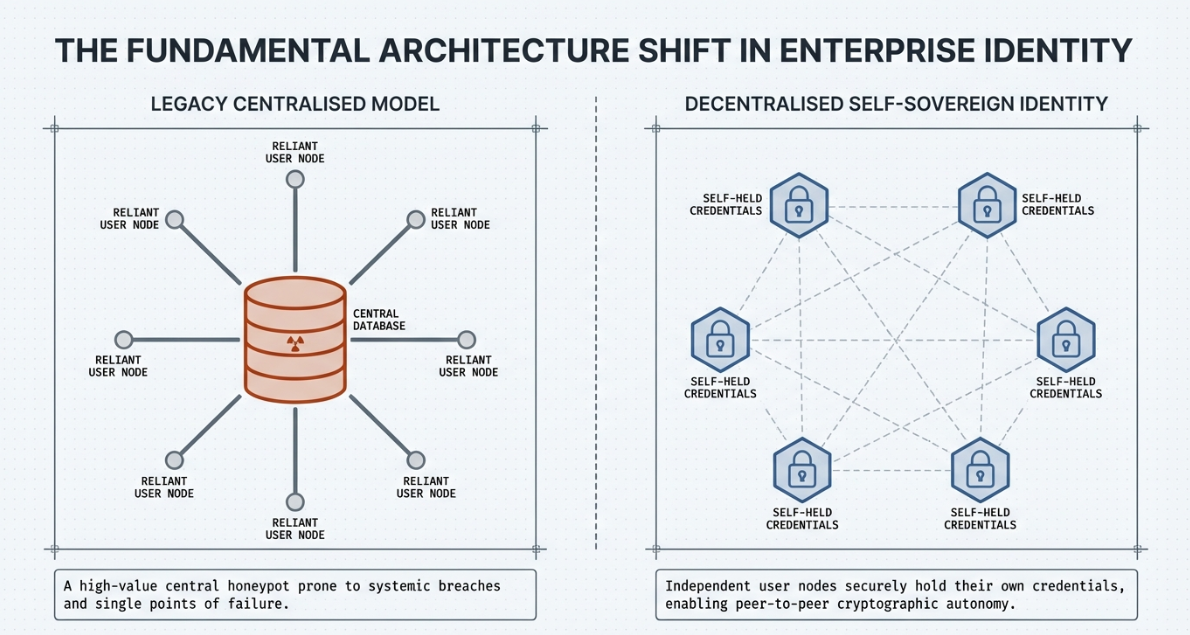
Verifying who is involved in a digital contract can be difficult. If the identities or permissions of participants are unclear—or incorrect—disputes can arise about legitimacy and authorization.
Understanding these sources of conflict is the first step toward resolving or preventing disputes in the smart contract ecosystem.
CHAPTER 3: APPROACHES TO SMART CONTRACT DISPUTE RESOLUTIO
Resolving smart contract disputes requires both technical and legal tools. Several effective approaches are gaining momentum:
1. Code Auditing and Review
Before deployment, smart contracts should undergo thorough audits. These reviews help identify bugs or vulnerabilities early. By resolving errors at the start, users greatly reduce the risk of future disputes.
2. Arbitration and Mediation
Many smart contracts include built-in dispute resolution terms. These clauses often direct parties to arbitration or mediation instead of court.
- Arbitration results in a binding decision made by an arbitrator.
- Mediation involves a neutral facilitator who helps parties reach a voluntary agreement.
Both methods are faster and more flexible than traditional litigation.
3. Legal Expertise
As smart contracts intersect with real-world laws, legal guidance becomes important. Lawyers skilled in blockchain can interpret terms, clarify compliance issues, and help enforce agreements. Their expertise reduces confusion and supports fair resolution.
4. Smart Contract Upgrades
Sometimes, disputes can be avoided by updating the contract code. These upgrades may correct errors or ensure compliance with new regulations. Staying adaptable helps prevent conflicts as the technological and regulatory landscape evolves.
CHAPTER 4: THE FUTURE OF SMART CONTRACT DISPUTE RESOLUTION
As smart contracts become more common, new trends are shaping how disputes will be handled in the future.
1. Decentralized Dispute Resolution (DDR)
Blockchain-based platforms can host decentralized dispute processes. These systems use transparent rules and distributed decision-making. As a result, parties can trust that outcomes are fair and unbiased, without relying on traditional courts.
2. Smart Contract Insurance
With the growing value of smart contracts, insurance products are emerging. They protect users from financial loss caused by bugs, breaches, or execution errors. This creates a safety net for individuals and businesses operating in the blockchain space.
3. Interoperability
As different blockchains become more connected, resolving disputes across platforms will become easier. Better interoperability allows users to engage in cross-chain transactions and access dispute resolution systems that work smoothly across ecosystems.
4. Legal Frameworks
Governments and regulators now recognize the importance of blockchain technology. Many are developing legal frameworks that guide smart contract use and dispute resolution. Clearer laws across jurisdictions help reduce uncertainty and improve consistency.
CONCLUSION
Smart contracts have transformed how agreements are created and executed. They offer speed, transparency, and strong security. Yet, like any technology, they bring challenges—especially when disputes arise.
By understanding the sources of conflict, adopting effective resolution methods, and staying updated on new trends, users can navigate this landscape with confidence.
As technology continues to evolve, dispute resolution methods will also advance. This will ensure that smart contracts remain reliable, resilient, and trusted tools in the digital era.
Blog By – Advocate Aryaman Shirish Tiwari
LinkedIn