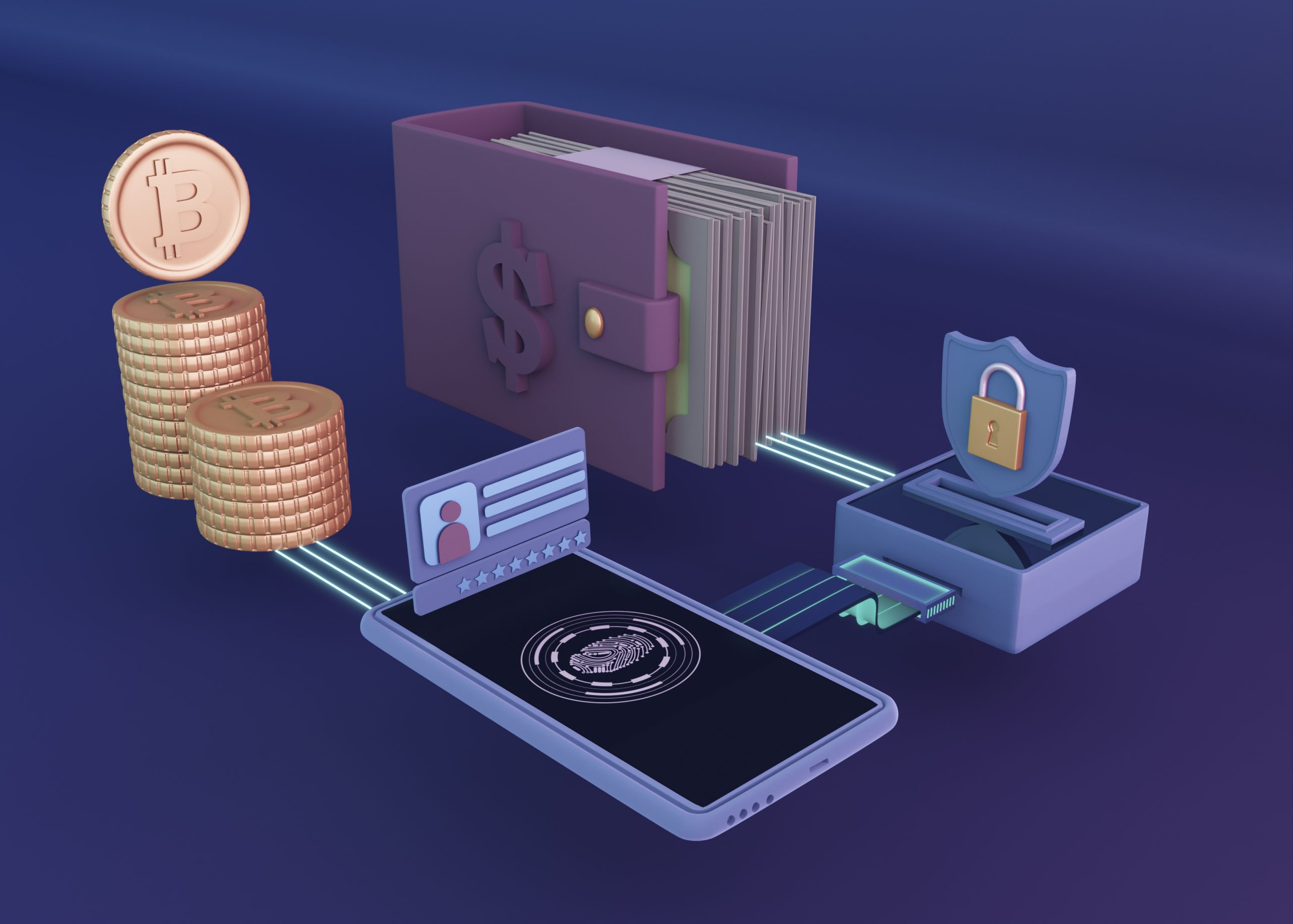

We live in an era defined by digitization. Today, no economist can imagine a world without online transactions and networked banking. As digital commerce continues to grow, there is a pressing need for mechanisms that provide both efficiency and security. In this digital symphony, the collaboration between UPI (Unified Payments Interface) and tokenization orchestrates a powerful blend of convenience, data protection, and regulatory compliance.
What is Tokenization?
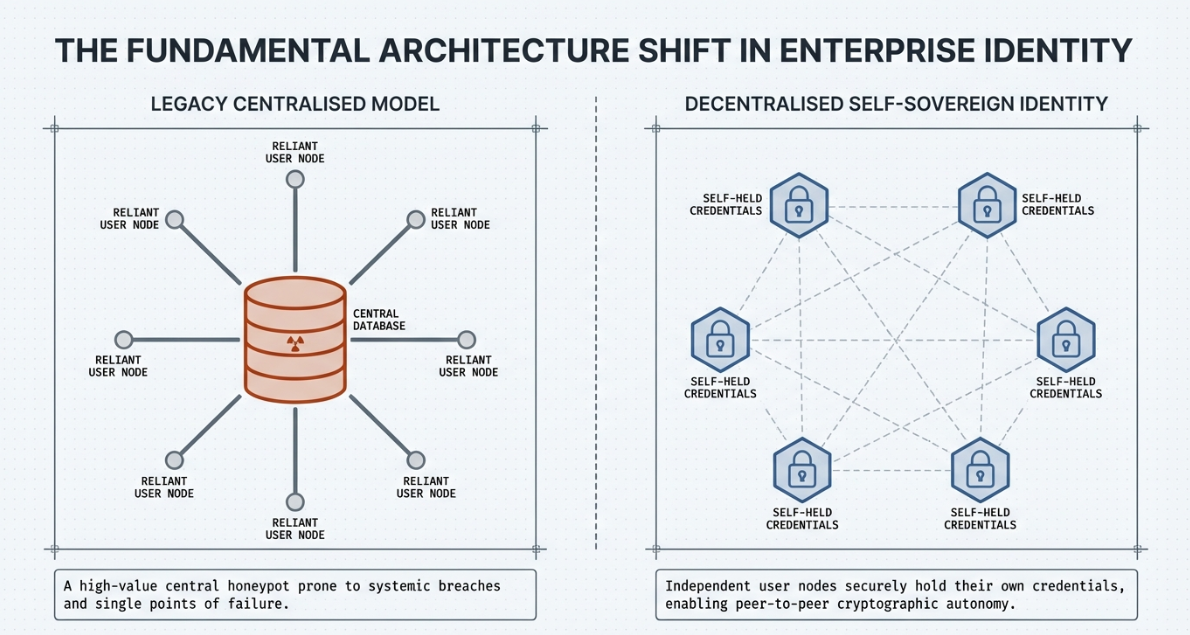
At its core, tokenization replaces sensitive data, such as credit card or account information, with unique identification symbols called tokens or surrogate values. These tokens reference the original data without exposing it, significantly reducing the risk of breaches.
Tokenization is widely used in the payment sector, particularly for credit card and e-commerce transactions, to protect user information. The data behind the token is stored securely in a central location, ensuring that maximum functionality is available without compromising security. In India, tokenization is governed by regulatory guidelines from the Reserve Bank of India (RBI), ensuring that data privacy remains a top priority.
Understanding UPI
UPI, or Unified Payments Interface, is a system that consolidates multiple bank accounts into a single mobile application. It allows users to seamlessly transfer funds, pay merchants, and perform banking activities through one platform. By simplifying the transaction process and eliminating the need to repeatedly input bank details, UPI enables real-time, secure, and convenient digital payments.
The RBI regulates UPI, while the National Payments Corporation of India (NPCI) manages its operations and governance, collaborating with banks and payment aggregators to maintain security and integrity.
The Role of Tokenization in Digital Payments
While UPI offers speed and ease of use, tokenization provides an essential layer of security. By replacing real card details with unique tokens during online purchases, tokenization protects sensitive data from cybercriminals and fraudsters.
Even as UPI has gained popularity, tokenization remains highly relevant, particularly for higher-value transactions where additional security measures are critical. Tokenization ensures that even if transaction data is intercepted, it cannot be misused, creating a safer environment for digital commerce.
The Synergy Between UPI and Tokenization
Together, UPI and tokenization offer a balance of speed, convenience, and security:
- UPI simplifies payments, providing instant transfers and ease of use.
- Tokenization protects sensitive information, preventing data breaches and fraud.
- Combined Effect: This synergy strengthens the digital payment ecosystem by leveraging the advantages of both technologies while mitigating their limitations.
By complementing each other, UPI and tokenization help maintain data privacy, regulatory compliance, and user trust—key pillars for the continued growth of digital payments in India.
Governance and Regulatory Oversight
The security and effectiveness of these technologies rely on strong governance frameworks:
- UPI: Regulated by the RBI with daily operations overseen by NPCI, ensuring that banks and payment aggregators maintain transaction integrity.
- Tokenization: Policies and mandates issued by the RBI guide its implementation and compliance, safeguarding users against fraud and breaches.
This layered oversight provides confidence to both consumers and financial institutions, reinforcing trust in the digital payment ecosystem.
Conclusion
The convergence of UPI and tokenization marks a significant advancement in digital payments, combining speed, convenience, and robust security. Tokenization safeguards data and prevents fraud, while UPI ensures seamless transactions. Together, they create a resilient, user-friendly framework for secure financial operations.
Regulatory oversight by institutions like the RBI and operational governance by NPCI further strengthen these systems, building trust and reliability. As digital commerce evolves and cyber threats become more sophisticated, the collaboration between industry stakeholders and regulatory authorities will be crucial in maintaining the security and integrity of India’s digital payment ecosystem.