
Introduction
In an era where quantum computing advances threaten classical encryption, Post-Quantum Blockchain Security has become critical for safeguarding digital assets. As organizations explore quantum-safe cryptography, they must adapt existing blockchain protocols to withstand future attacks. This blog delves into the evolution of blockchain security in a quantum age, outlines practical implementation steps and highlights SecureDApp’s Solidity Shield key management to fortify your ledger against tomorrow’s adversaries.
Understanding the Quantum Threat to Blockchain Security
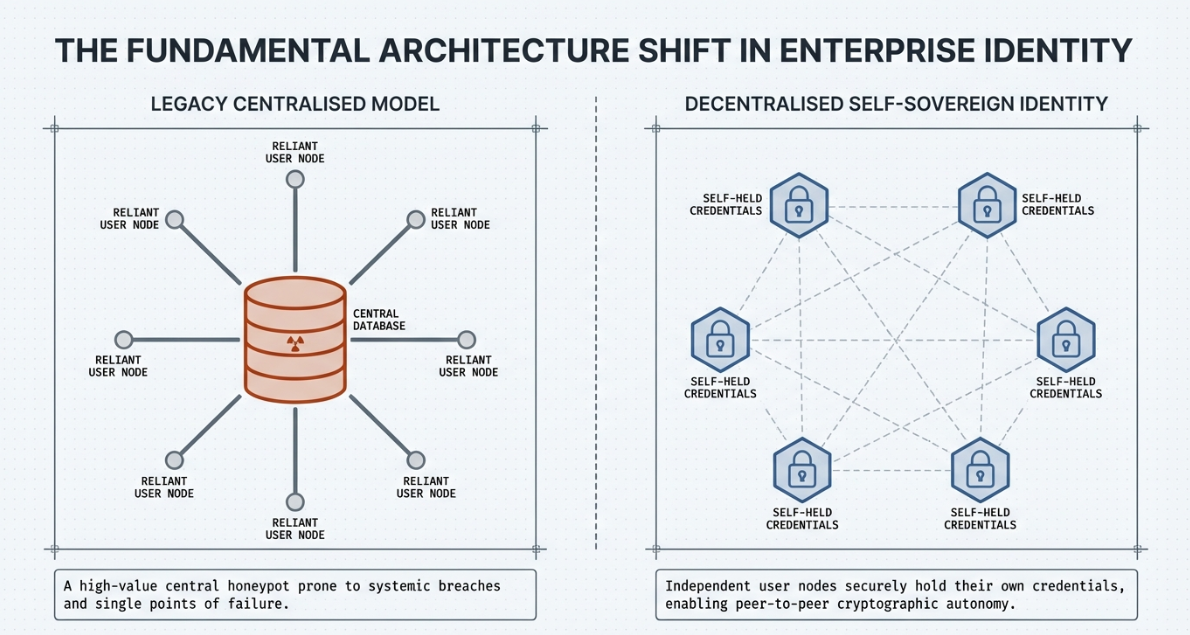
Quantum computers promise unparalleled processing power capable of breaking widely used public key algorithms. Blockchain networks rely on elliptic curve cryptography and RSA for key generation, transaction signatures and consensus mechanisms. Once quantum machines reach sufficient qubit counts, they can leverage Shor’s algorithm to derive private keys from public ones. Attackers could forge transactions, manipulate smart contracts or even rewrite entire ledgers. Preparing today prevents catastrophic breaches in the future.
Core Principles of Quantum-Safe Cryptography in Blockchain
Adopting quantum-safe cryptography means replacing vulnerable primitives with algorithms designed to resist quantum attacks. Lattice-based schemes, hash-based digital signatures and multivariate cryptosystems have emerged as leading candidates. Transitioning requires careful integration to maintain performance, interoperability and decentralization. Key steps include:
– Algorithm selection based on NIST PQC standards
– Hybrid signing for backward compatibility
– Incremental rollout through soft forks or protocol upgrades
– Secure key lifecycle management with tamper-resistant hardware
By establishing these principles, organizations can ensure a smooth migration path while maintaining network trust.
Implementing Post-Quantum Blockchain Security
Assessing Your Network’s Vulnerabilities
Start by auditing consensus nodes, wallet software and smart contract frameworks. Identify points where classical keys are generated, stored or validated. Detailed risk assessments uncover exposure levels and inform upgrade timelines. Engage security experts to simulate quantum attacks against your testnet environment.
Integrating Quantum-Safe Algorithms
Choose algorithms vetted by the NIST post-quantum competition. Lattice-based signature schemes like Dilithium or Falcon balance security and efficiency for blockchain use cases. Replace classical ECDSA calls within transaction signing modules with hybrid implementations that combine both classical and quantum-safe signatures. This dual approach ensures transactions remain verifiable by legacy clients while preparing the network for a pure quantum-safe future.
SecureDApp Solidity Shield Key Management
SecureDApp offers Solidity Shield , a hardware-backed key management solution designed for quantum-resilient blockchains. Solidity Shield stores post-quantum keys in secure elements, enforces strict access policies and automates key rotation. Developers can integrate Solidity Shield via a REST API. By leveraging Solidity Shield, teams reduce operational complexity and maintain compliance with emerging quantum security standards.
Protocol Upgrades and Community Coordination
Blockchain upgrades require consensus from stakeholders. Propose soft fork improvements via improvement protocols and release client updates supporting hybrid signature validation. Host workshops and send detailed whitepapers to node operators, exchanges and dApp developers. Transparent communication builds trust and accelerates adoption.
Benefits of Early Adoption
Proactive migration to quantum-safe cryptography yields multiple advantages:
– Future-proofed asset security against powerful quantum adversaries
– Competitive differentiation as a blockchain platform committed to cutting-edge security
– Reduced risk of disruptive emergency hard forks once quantum threats materialize
– Regulatory alignment with jurisdictions mandating post-quantum readiness
Early adopters can offer quantum-resilient transaction services, attracting privacy-focused users and institutional clients.
Common Challenges and Mitigation Strategies
/nPerformance Overhead
Quantum-safe algorithms often require larger key sizes and computational resources. Mitigate overhead by using hybrid schemes selectively for high-value transactions. Employ batch verification techniques and optimize cryptographic libraries for parallel processing.
Interoperability with Legacy Systems
Maintaining compatibility with older clients is crucial. Hybrid signing and dual-stack nodes allow gradual phasing out of classical keys. Provide SDKs and developer guides to ease integration for third-party wallet providers.
Community Consensus
Coordinating protocol changes across a decentralized network demands diplomacy and clear governance. Form working groups, propose code audits and pilot on testnets. Document voting thresholds and upgrade schedules to avoid fragmentation.
Conclusion
Post-Quantum Blockchain Security is no longer a theoretical concern. As quantum computing edges closer to practicality, networks must adopt quantum-safe cryptography to protect digital wealth and maintain trust. By assessing vulnerabilities, integrating hybrid algorithms and leveraging solutions like SecureDApp Solidity Shield, organizations can navigate the transition smoothly. Begin your quantum-safe journey today to safeguard tomorrow’s blockchain ecosystems.