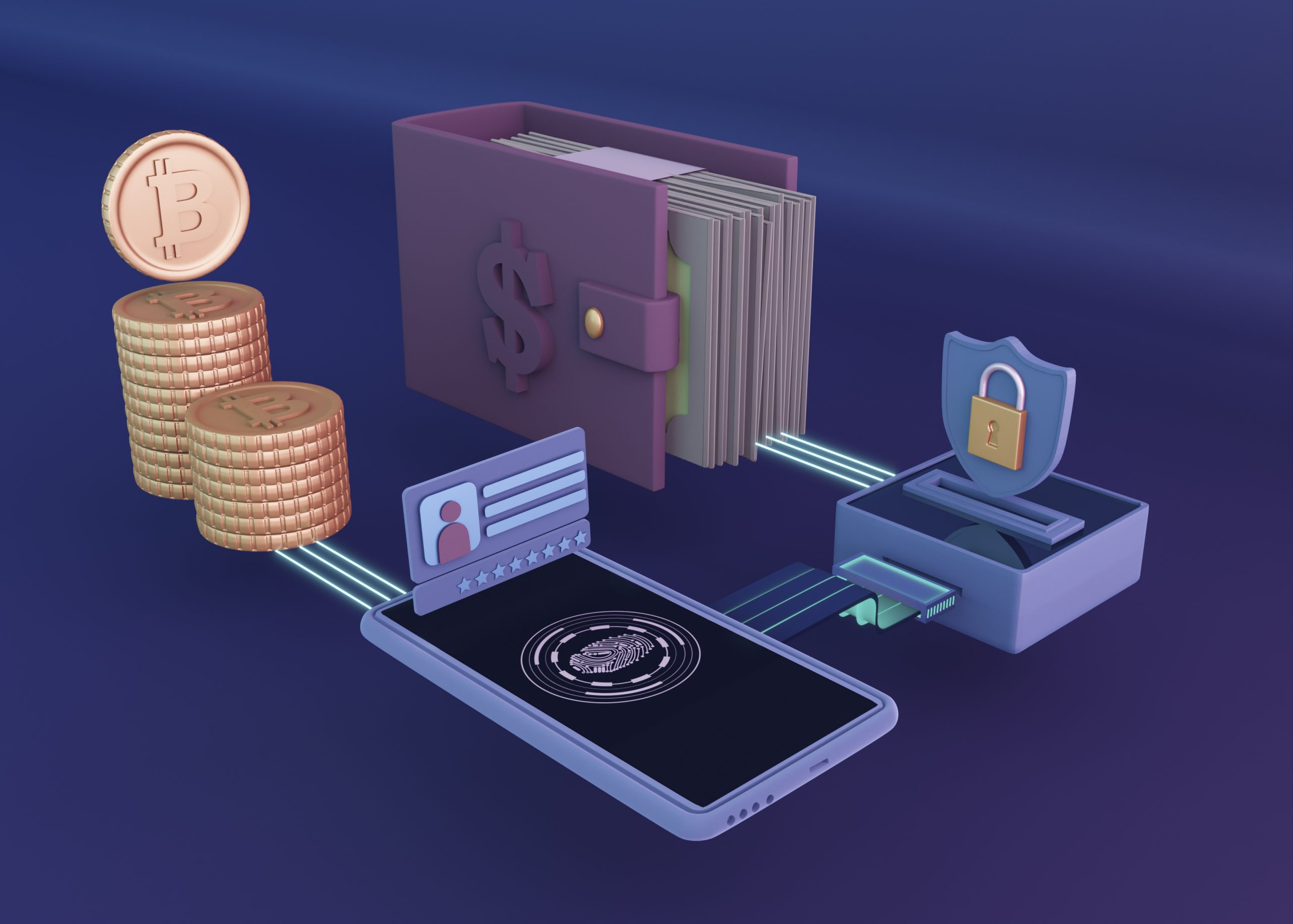

Tokenization of real-world assets (RWAs) has reshaped the investment world. By converting physical assets—such as real estate, artwork, or commodities—into digital tokens on a blockchain, investors now gain access to assets that were once illiquid or out of reach. Tokenization also enables fractional ownership, improves liquidity, and makes asset transfers easier. As a result, it opens the door for both traditional and retail investors to participate in new opportunities.
What Tokenized RWA Ownership Means
Tokenized ownership is built on blockchain technology. A blockchain acts as a decentralized, transparent, and immutable ledger where all transactions are recorded. Each digital token represents a share of the underlying asset. This structure allows investors to diversify across multiple asset classes with smaller capital requirements.
For example, a $1 million property can be divided into tokens worth $100 each. Investors can buy these tokens and gain exposure to the property’s future appreciation or rental income. This model makes high-value assets far more accessible.
Why Tokenization Increases Liquidity
Traditionally, selling real estate or fine art is slow and often expensive. Tokenization changes this. Investors can trade tokens on blockchain-based secondary markets at any time. This makes the process much quicker and more flexible.
For instance, instead of waiting weeks or months to sell a real estate stake, an investor can simply sell their tokens on a marketplace. This reduces dependency on intermediaries and shortens the transaction cycle.
Tokenization Expands Access for Retail Investors
Tokenized RWAs create new pathways for individuals with limited capital. Fractional ownership lowers barriers to entry and enables retail investors to diversify their portfolios. Because of this, someone who could never afford an entire piece of luxury property or a fine art painting can still invest in a small percentage of it through tokens.
Legal Implications of Tokenized Real-World Assets
Although tokenization offers many advantages, it also brings several legal considerations. These include ownership rights, regulatory compliance, investor protection, dispute resolution, and smart contract verification. Understanding these areas is essential for anyone involved in tokenized RWA markets.
1. Ownership Rights
Token holders receive specific rights linked to the asset. These may include income sharing, voting rights, or the ability to transfer the tokens. Smart contracts enforce these rights automatically. Because the contract is coded, it ensures that investors receive the benefits they are entitled to, without manual intervention.
2. Transferability and Compliance
Blockchain makes transferring ownership instant and peer-to-peer. However, compliance rules still apply. Many jurisdictions require Know Your Customer (KYC) and Anti-Money Laundering (AML) checks before tokens can be traded. These regulations help prevent fraud, money laundering, and other illicit activity.
3. Regulatory Considerations
Most tokenized RWAs fall under securities regulation. This means issuers must follow disclosure obligations, investor accreditation rules, and registration requirements. These regulations protect investors and help maintain market integrity. Projects that follow the rules operate more transparently and build trust.
4. Investor Protection
Clear disclosures, risk warnings, and transparent processes are essential. Smart contracts also support investor protection by automating rights, enforcing rules, and reducing the chances of manipulation or human error. These tools give investors confidence in the system
5. Dispute Resolution Mechanisms
Blockchain enables new dispute resolution models. Many platforms use decentralized arbitration systems embedded in smart contracts. These systems record and enforce decisions on-chain, ensuring fairness and reducing the need for costly legal processes. Because the process is transparent, it increases trust among investors.
6. Role of Smart Contracts and Third-Party Audits
Smart contracts act as the engine of tokenized ownership. They automate transactions and verify rules without intermediaries. However, like any software, they must be audited. Third-party audits identify vulnerabilities, protect investors, and ensure that smart contracts operate as intended. Independent verification also strengthens the credibility of tokenized assets.
7. AML and CTF Compliance
To maintain a safe and legitimate market, tokenized RWA platforms must follow Anti-Money Laundering (AML) and Counter-Terrorism Financing (CTF) regulations. Strong KYC procedures and transaction monitoring help detect suspicious activity. These measures protect both investors and the broader ecosystem.
Conclusion
Tokenized RWA ownership brings major benefits, including better liquidity, greater accessibility, and lower transaction costs. However, it also requires careful navigation of legal and regulatory requirements. By understanding ownership rights, compliance standards, dispute resolution methods, and the importance of audits, stakeholders can safely leverage the power of tokenization.
As tokenized asset markets continue to grow, addressing these legal considerations will be essential for building a secure and trusted digital asset environment.
Blog By — Advocate Aryaman Shirish Tiwari
LinkedIn
SecureDApp