
Introduction
In the rapidly evolving digital economy, how Web3 brands are using NFTs to build loyalty has become a hot topic. Non-fungible tokens are no longer just collectibles or digital art; they are powerful tools for creating long-term customer engagement. From exclusive memberships to gamified experiences, brands are tapping into NFTs to deepen relationships with their audiences, while also ensuring transparency and trust through secure blockchain practices.
Why NFTs Are Transforming Brand Loyalty Programs
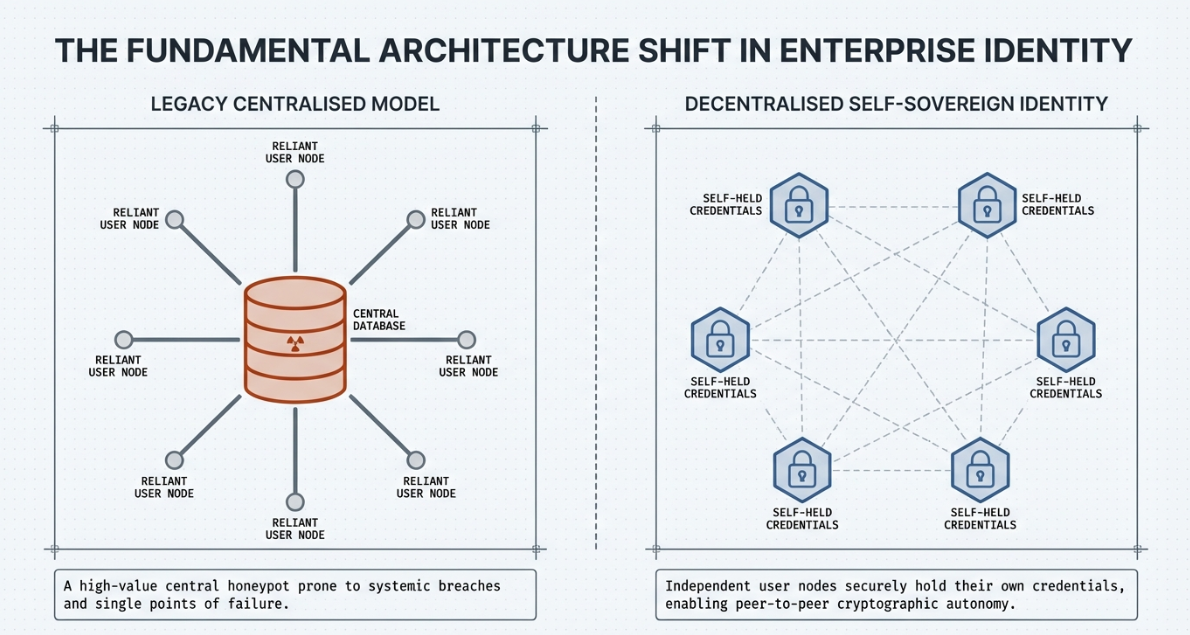
Traditional loyalty programs rely on points, coupons, or discounts. While effective, they often fail to create meaningful emotional connections. NFTs change this by offering verifiable ownership of unique digital assets. These tokens can represent access to exclusive events, early product drops, or even brand governance rights. Because NFTs are built on decentralized technology, customers feel a stronger sense of ownership and participation.
One major advantage is interoperability. NFT-based rewards are not locked into a single platform. Customers can trade, sell, or use them across multiple ecosystems, which significantly boosts engagement compared to conventional loyalty rewards.
Real-World Examples of Brands Using NFTs for Loyalty
Starbucks Odyssey
Starbucks introduced its Odyssey program, allowing members to earn NFT “stamps” through interactive journeys and activities. These NFTs unlock access to unique experiences such as coffee workshops or trips to Starbucks coffee farms. Unlike standard loyalty points, the NFTs hold tangible emotional and community value.
Nike’s RTFKT
Nike acquired RTFKT to merge fashion and digital collectibles. By integrating NFTs into sneakers and apparel drops, Nike built a community of collectors who value exclusivity and digital identity. Their NFTs serve as proof of authenticity and loyalty, creating an entirely new form of customer connection.
Time Magazine NFT Community
Time launched an NFT initiative that offers members exclusive content, invitations to events, and voting rights on future projects. This approach shifts customers from passive readers to active stakeholders, increasing long-term retention.
How Web3 Brands Are Using NFTs to Build Loyalty Through Community
NFTs work best when paired with community-driven strategies. By offering NFTs as keys to private online spaces, Discord groups, or exclusive forums, brands cultivate deeper relationships with fans. The sense of belonging transforms customers into advocates.
For instance, Gary Vee’s VeeFriends NFT collection doesn’t just provide art; it offers holders access to his conferences and networking events. Community engagement becomes the foundation of loyalty, backed by verifiable ownership on the blockchain.
Security and Trust in NFT Loyalty Programs
As NFT-based loyalty programs grow, security is paramount. Customers must trust that the smart contracts powering these NFTs are free from vulnerabilities. A single exploit could damage a brand’s reputation.
This is where blockchain security solutions come into play. Products like Secure Watch help brands monitor blockchain threats in real time, ensuring a safe environment for customers. Similarly, Solidity Shield provides robust smart contract audits, guaranteeing that loyalty NFTs function without hidden risks. By integrating such tools, brands not only strengthen their ecosystems but also build trust with users who are new to Web3.
Gamification: Making Loyalty Fun and Rewarding
Gamification is a rising trend in NFT loyalty strategies. Brands are creating challenges where users can earn NFTs by completing tasks or engaging in brand activities. This turns loyalty from a transactional process into a rewarding game.
For example, Adidas collaborated with Bored Ape Yacht Club to release NFTs tied to exclusive merchandise drops. Holders had to participate in specific events to unlock benefits, creating excitement and anticipation. Such gamification enhances loyalty by adding entertainment value to customer interactions.
Web3 Loyalty vs Traditional Loyalty Programs
When comparing NFT-powered loyalty programs with traditional ones, three major differences stand out:
1. Ownership – Customers actually own their NFT rewards, unlike points that vanish if the program ends.
2. Transparency – Blockchain ensures all transactions are public, boosting trust.
3. Flexibility – NFTs can be traded, transferred, or used across multiple platforms, unlike rigid points systems.
This combination makes NFTs more appealing to digital-native customers who value autonomy and exclusivity.
Challenges in Using NFTs for Loyalty
Despite the benefits, there are challenges. Many consumers are unfamiliar with crypto wallets and blockchain interfaces, creating barriers to entry. Gas fees and blockchain scalability also affect the smoothness of experiences. Brands must simplify onboarding and provide user-friendly solutions.
Moreover, security remains a challenge. Without proper auditing and monitoring, brands risk smart contract flaws. Partnering with platforms that offer blockchain threat detection and contract audits ensures smoother, safer operations.
The Future of NFT-Based Loyalty
The next phase of loyalty will likely see brands combining NFTs with AI, AR, and virtual reality. Imagine holding an NFT that grants you access to a VR concert or an AI-driven personalized shopping assistant. Such integrations will redefine how customers experience loyalty.
Forward-looking brands are already preparing for this shift by investing in security, interoperability, and creative storytelling. By doing so, they ensure customers remain engaged and invested in their ecosystems for years to come.
Conclusion
The question of how Web3 brands are using NFTs to build loyalty is no longer theoretical; it’s unfolding in real time. From Starbucks to Nike, brands are proving that NFTs can create deeper, more meaningful customer relationships. Yet, success depends on more than just innovation it also requires trust and security. By leveraging solutions like Secure Watch and Solidity Shield, brands can safeguard their NFT ecosystems while enhancing loyalty.