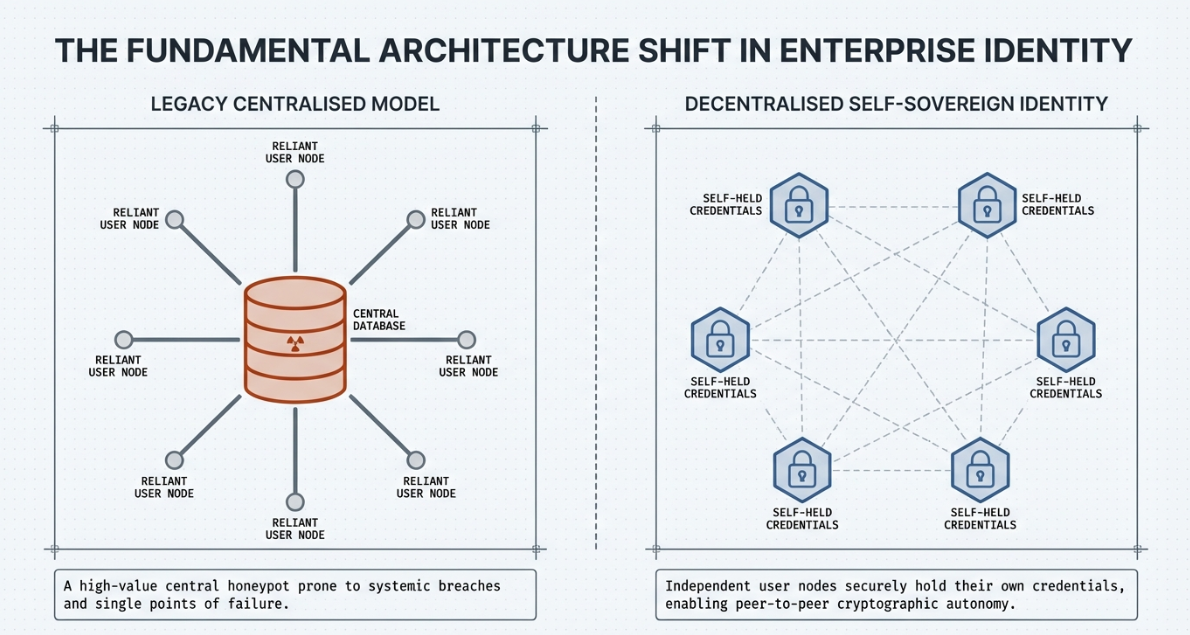

DeFi, or decentralized finance, is more than a trending term. It has real use cases and delivers measurable results. By moving beyond traditional banking systems, DeFi uses blockchain to enable peer-to-peer transactions. This gives users more control and improves efficiency.
The DeFi market is growing fast. It is expected to reach $26,170 million in revenue this year, climbing to $37,040 million by 2028. User adoption is rising as well, with more than 22 million people expected to enter the DeFi market by 2028.
Smart contracts lie at the heart of this growth. They serve as the backbone of DeFi platforms. Nick Szabo introduced the idea of self-executing contracts in 1994, long before blockchain existed. He imagined a world where automated agreements could run without middlemen—and that vision is now reality.
The Vulnerability Vortex in DeFi
Smart contracts automate many crucial activities in DeFi—from insurance claims to loan distribution. Ethereum supports a huge ecosystem of such applications. But even powerful systems have weaknesses.
Smart contracts may contain bugs that attackers can exploit. Common issues include:
- Reentrancy attacks: A function gets called again before it finishes, causing unexpected behavior.
- Overflow and underflow errors: Values exceed storage limits or fall below minimums.
- Logic flaws: Weak logic enables unauthorized actions.
Recent years highlight the scale of the problem.
In 2023:
- Euler Finance lost $197 million in a flash-loan attack.
- Mixin Network lost $200 million due to a database breach.
- In total, hackers stole $1.7 billion from crypto platforms, with DeFi being a major target.
These incidents show why regular, thorough smart contract audits are essential. At SecureDApp, we focus on delivering audits that uncover vulnerabilities early. Our team works across multiple blockchain ecosystems to help projects stay secure.
AI’s Expanding Role in Web3
AI is reshaping the decentralized internet in many ways. Its role goes far beyond audits. AI improves:
- Automated market makers (AMMs) through smarter pricing models
- Predictive analytics for market trends
- Threat detection systems that spot suspicious activity faster
Vitalik Buterin has highlighted AI’s potential to solve Ethereum’s technical risks. AI can verify code, detect bugs, and strengthen the overall network.
How AI Enhances Smart Contract Audits
Manual audits remain important, but they have limits—especially with DeFi expanding rapidly. AI acts as a powerful ally that speeds up and strengthens the audit process.
Here’s how AI improves smart contract security:
1. Better Accuracy
AI algorithms detect hidden patterns and subtle issues that humans may overlook. This leads to deeper and more reliable audits.
2. High Scalability
AI can analyze large numbers of smart contracts across different blockchains at once. Projects no longer need to wait in long audit queues.
3. Faster Audits
AI processes code in minutes instead of days. This allows near real-time detection and quick fixes.
4. Lower Costs
With automation, audits become more affordable and accessible. Even early-stage startups can secure their contracts.
5. Continuous Learning
AI improves over time. Every audit helps the system learn new vulnerability types, making each future analysis more effective.
At SecureDApp, we have built SolidityShield, our AI-powered auditing bot for Ethereum smart contracts. It detects over 150 types of vulnerabilities, using advanced algorithms to deliver deeper insights and stronger security. SolidityShield marks a major step toward safer DeFi applications.
A New Era of Security for DeFi
With DeFi hacks costing the industry $1.7 billion in 2023, the need for stronger security is clear. AI-powered audits offer an effective solution. They bring speed, accuracy, scalability, and cost efficiency to an industry that changes rapidly.
DeFi projects that adopt AI-driven audits can protect their users and build trust. Investors, too, should look for platforms that prioritise strong security measures.
By combining AI technology with expert review, the future of DeFi can be safer, more reliable, and more resilient.
Blog By — Harshajit Sarmah
LinkedIn
SecureDApp