
In today’s rapidly evolving digital age, security in decentralized ecosystems has shifted from a luxury to an absolute necessity. As Web3, DeFi, and NFTs gain mainstream adoption, new threat patterns emerge just as quickly. Because of this, a powerful convergence has taken shape: CyberNFTs + Decentralized Intrusion Detection + ML-driven reward systems.
This next-generation model merges machine learning, NFTs, and decentralization to create a community-incentivized cybersecurity layer that actively strengthens Web3 infrastructure. By converting threats into community opportunities and rewarding contributors, this framework completely reimagines how we defend decentralized ecosystems.
Understanding CyberNFTs and Their Cybersecurity Role
CyberNFTs differ fundamentally from typical digital collectibles. Instead of merely representing art or media, they function as proof-of-contribution assets for cybersecurity actions.
Whenever a network participant detects a threat, anomaly, or suspicious action, they can immediately log their findings on-chain. The network then issues a CyberNFT to acknowledge their contribution.
Because the validation happens transparently and immutably on the blockchain, CyberNFTs create a trust-based reward mechanism. Contributors can trade, stake, or hold them for long-term utility.
Moreover, this gamified structure keeps the security community vigilant, discouraging attackers by increasing the cost and risk of exploits.
ML Reward-Driven Security: The Engine of the New Model
Machine learning fuels the core of this decentralized intrusion detection approach. Instead of relying on static rules, ML systems learn continuously from new threats, anomalies, past exploits, and evolving attack vectors.
These algorithms detect abnormal behavior, flag potential vulnerabilities, and predict future attack surfaces. Since contributors feed the system with logs, exploit samples, and incident reports, ML models become increasingly accurate.
In return for providing high-quality data, contributors earn native tokens or CyberNFTs, turning cybersecurity into a proactive and participatory ecosystem rather than a traditional defense cost center.
SecureDApp’s Secure Watch embodies this model. It monitors blockchain activity and smart-contract behavior in real time, leveraging ML and community input to detect threats instantly. As a result, it has set a new benchmark for predictive and decentralized Web3 security.
(Reference: MIT’s research on AI-driven cybersecurity further explains how machine learning is reshaping digital defense.)
Decentralized Intrusion Detection: Transforming the Security Paradigm
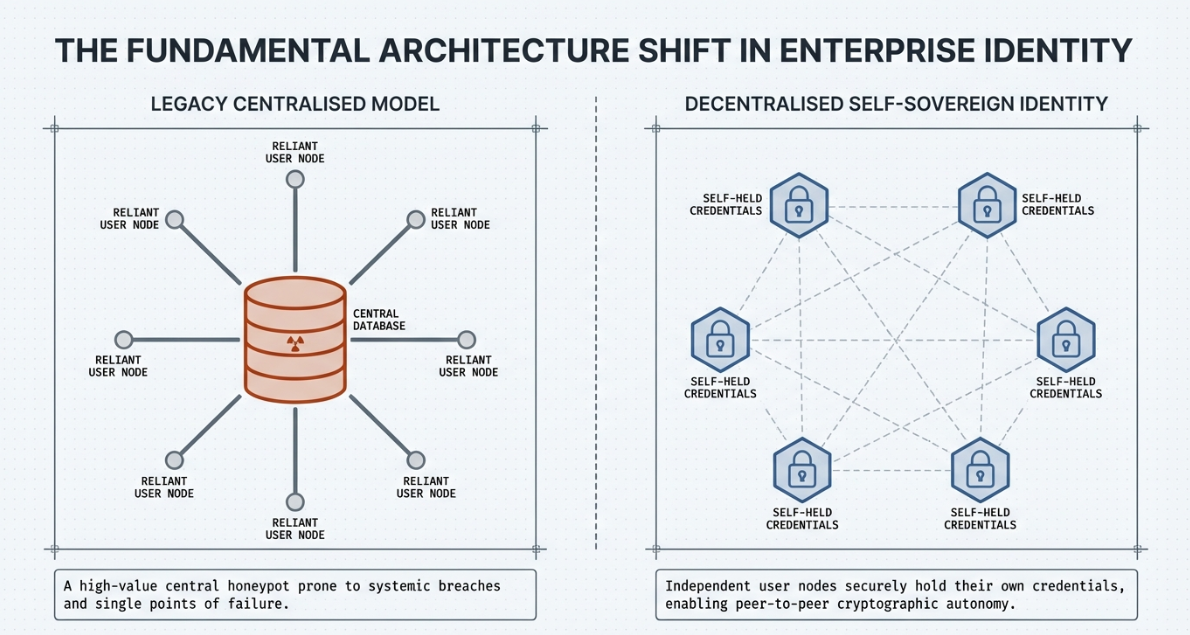
Traditional IDS setups rely on central servers, which creates single points of failure. However, decentralized environments demand a stronger alternative.
Decentralized Intrusion Detection Systems (DIDS) solve this problem by distributing detection logic and storage across multiple nodes.
Each node participates in threat detection. When one node identifies suspicious activity, it shares the information with the network. The community verifies the data using consensus mechanisms, and once validated, rewards follow.
Consequently, the network reduces false positives, improves learning efficiency, and strengthens resilience.
Through CyberNFT integration, every validated contribution is logged on-chain in real time. Contributors gain immediate recognition and economic incentives, which keeps the entire ecosystem actively protected.
Incentive-Driven Threat Reporting Through CyberNFTs
Traditional security frameworks rarely motivate users to report bugs unless a dedicated bounty program exists. The CyberNFT model solves this instantly. It treats every meaningful security action—reporting, auditing, testing, code review—as a micro-task with instant tokenized rewards.
For example, imagine a node detecting unusual smart-contract activity. Instead of forwarding alerts to a centralized admin, the node submits an on-chain threat report. After community validation, the network issues a CyberNFT that proves their contribution and unlocks additional utility such as staking, access tiers, or marketplace value.
SecureDApp’s Solidity Shield aligns perfectly with this model. It scans and audits smart contracts using AI and community evaluation to uncover backdoors or logic flaws. Its ML engine boosts audit accuracy, while the reward mechanism encourages ongoing participation from developers and ethical hackers.
How SecureDApp Enables Scalable, Incentivized Protection
SecureDApp provides a growing suite of Web3 security tools that support ML-driven and community-driven protection models. Two flagship solutions anchor this vision:
- Secure Watch: Real-time threat monitoring across DeFi protocols and dApps. It detects anomalies using ML models and community intelligence.
- Solidity Shield: Automated smart-contract audits powered by ML, code analysis, and community-verified reporting. Its reward-based system matches the CyberNFT incentive approach.
Together, these tools transform developers, validators, and end users from passive observers into active defenders. Consequently, security evolves into a shared responsibility rather than an isolated function handled by only security teams.
To explore blockchain security fundamentals in more depth, review our internal guide on how decentralized applications reshape cybersecurity.
Future Potential: A Global, Self-Healing Security Grid
The CyberNFT-powered DIDS model holds massive long-term potential. As more contributors join these networks, they could eventually form a self-healing global defense grid.
A single threat detected in one corner of the world could immediately trigger alerts across all interconnected networks. Contributors would earn rewards instantly for neutralizing, patching, or reporting the issue.
This future not only strengthens security but also builds deeper trust. Networks that adopt this model demonstrate transparency, accountability, and technical maturity—qualities that attract both users and investors.
Additionally, the emergence of cross-chain CyberNFTs may enable collaboration across blockchains, creating a broader and more unified global security ecosystem.
Conclusion
Web3’s rapid evolution demands a security model that grows just as fast. The framework of CyberNFTs + Decentralized Intrusion Detection + ML-driven rewards represents more than a technological breakthrough—it signals a philosophical shift. It replaces closed, reactionary security with a transparent, community-powered, incentive-driven model.
As decentralized systems continue expanding, relying on tools like Secure Watch and Solidity Shield becomes essential. The age of reactive defense has ended. The future belongs to proactive, incentivized, decentralized guardians—armed with intelligence, transparency, and purpose.