
Introduction
Blockchain applications are becoming more sophisticated in 2026, but so are the cyber threats targeting them. As decentralized finance (DeFi), tokenized assets, and Web3 platforms continue to expand, security must be integrated into every stage of development- not treated as an afterthought.
In this SBSI Series blog, Comprehensive Blockchain Application Security: Insights from Utkarsh Bhargava, we explore the key lessons from SecureDApp’s Bharat Security Initiative Webinar 6. From threat modeling and DevSecOps to governance security and continuous monitoring, these practical insights help developers and organizations build resilient blockchain applications that can withstand today’s evolving threat landscape.
Why threat modeling is your first, most powerful defense
Bhargava began with a simple proposition. Threat modeling is not optional. It is the activity that turns vague security hopes into concrete defensive controls. By mapping data flows, trust boundaries, and critical assets such as wallets and key management, teams can identify likely attack paths before a single line of code is written. This is the same approach OWASP and other industry frameworks recommend to integrate security into the software development life cycle rather than bolting it on at the end. Making threat modeling part of every design review forces everyone to think like an attacker and reduces the costly surprises that show up during audits or in production incidents.
Holistic security beyond smart contracts
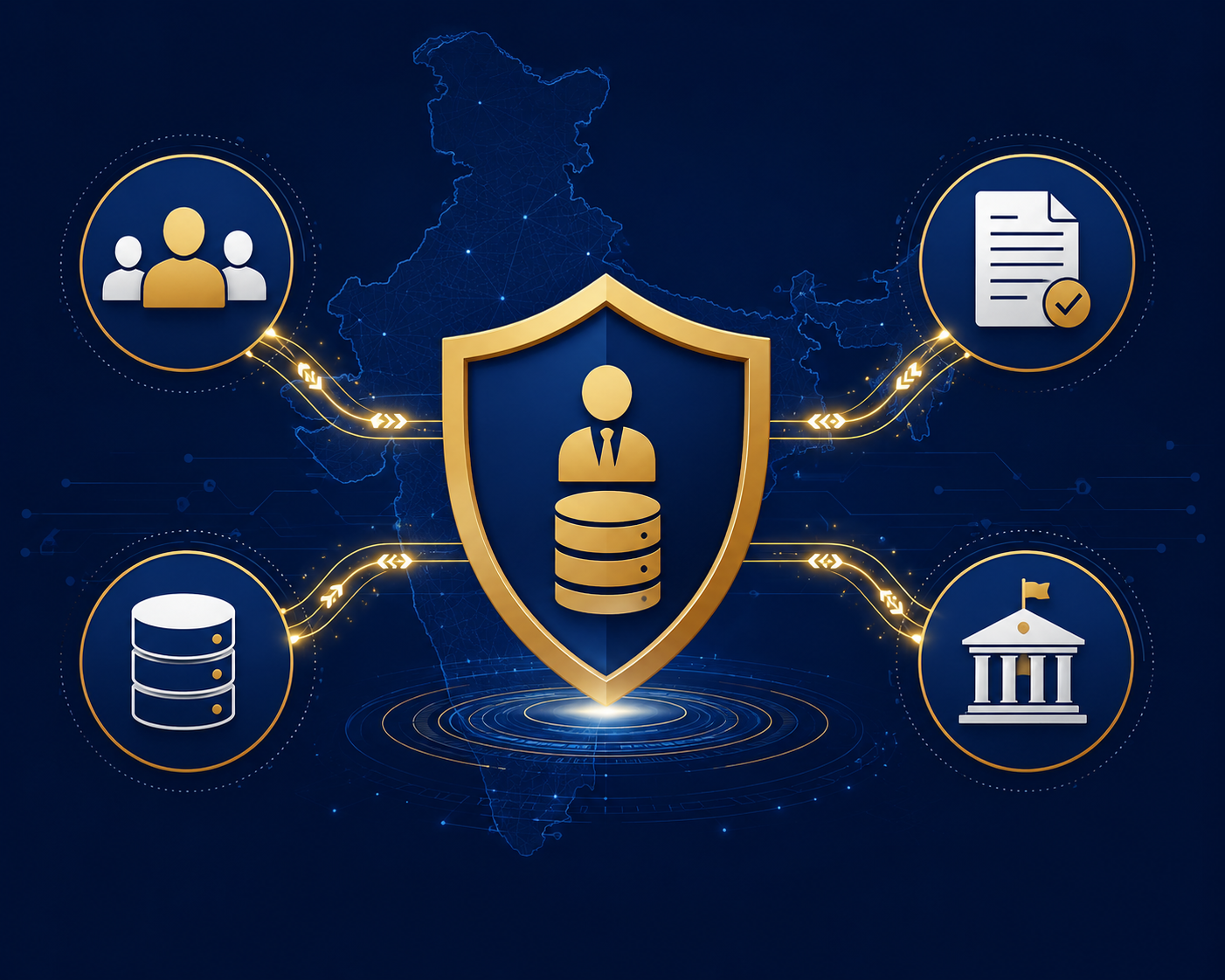
A recurring theme in the webinar was that smart contract correctness matters, but it is only one slab of the security stack. Smart contracts interact with oracles, off chain services, front end interfaces, cloud infrastructure, and privileged operational keys. Any of these components can undermine a formally correct contract. Bhargava emphasized that a systemic approach combines formal verification and rigorous audits with encryption, access controls, secure APIs, and operational controls. The World Economic Forum has also highlighted the multi faceted risks of smart contracts and the need for layered defenses.
DevSecOps for blockchain teams
Shift left, automate, and enforce security gates. Bhargava showed how integrating static analyzers and vulnerability scanners into CI CD pipelines prevents many issues from reaching production. Tools like Slither and Mythril are examples of scanners that can be embedded into automated builds to fail commits that introduce known risky patterns. Containerized build environments and Infrastructure as Code create reproducible pipelines that reduce human error while allowing embedded security tooling to enforce policy automatically. This continuous security posture means you catch vulnerabilities the moment they enter the code base rather than discovering them during a post hoc audit.
Common blind spots to watch
Cross chain bridges and multi chain integrations remain a major attack vector. Bridge failures have led to large losses in the past so Bhargava advised conservative design, limited trust assumptions, and incremental exposure until a bridge is battle tested. Governance token mechanics are another weak point, since flash loan exploits can be used to manipulate votes. Designing safeguards such as time locks, snapshot voting, or staking requirements mitigates hostile takeovers. Privileged admin keys and multisig arrangements are single points of failure unless they are properly managed with hardware wallets, strict operational procedures, and timelocks. These blind spots are not theoretical; they have driven many of the headline exploits in recent years and demand disciplined threat modeling and monitoring.
Data privacy, regulation, and blockchain
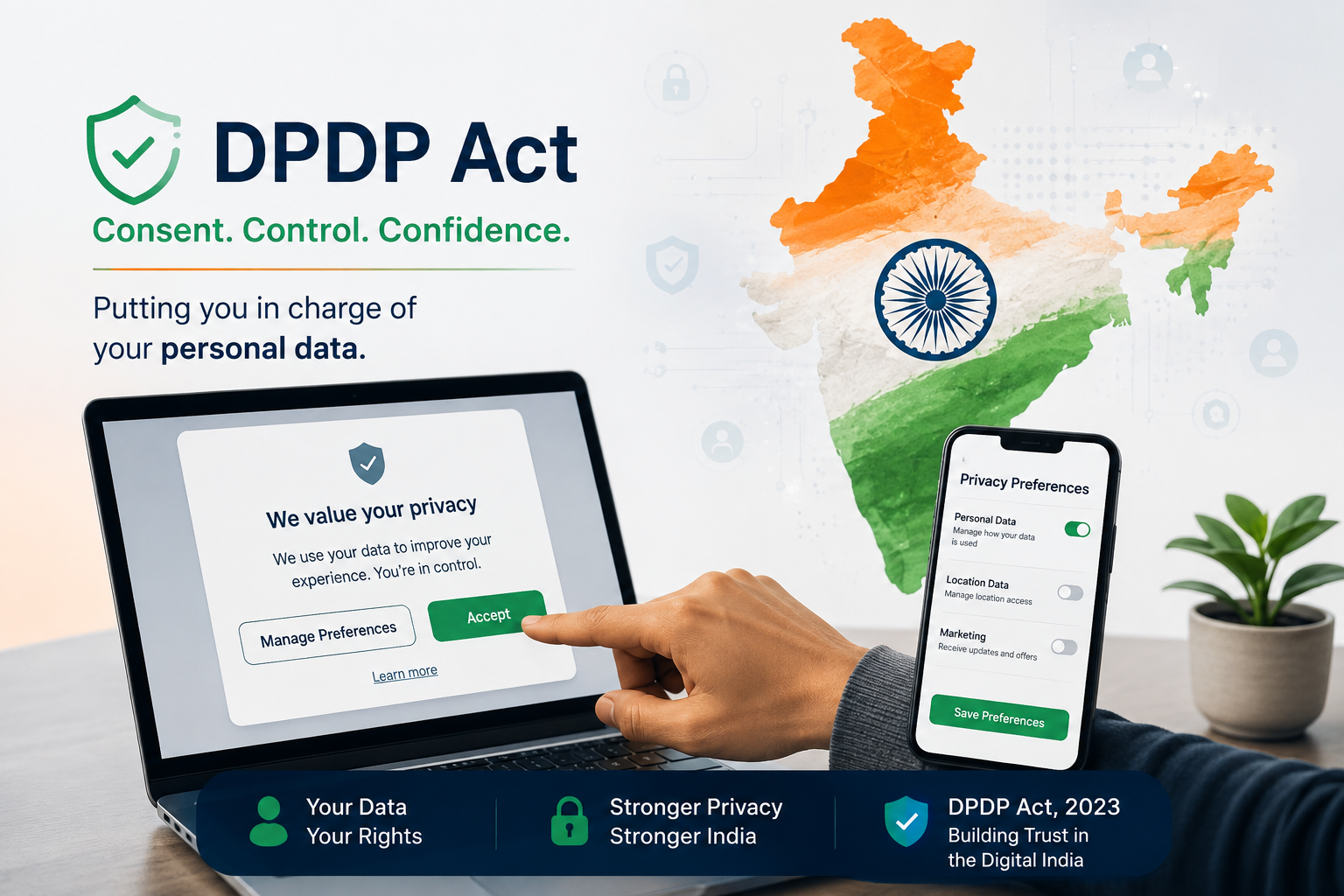
Public blockchains are immutable, which creates tension with data protection regimes that require deletion or erasure. Bhargava recommended keeping sensitive personal data off chain, or encrypting any on chain references and managing keys so that functional erasure or selective disclosure remains possible. Projects in India should watch the evolving DPDP rules and align designs to consent and minimal data collection principles. The GDPR conversation about the right to be forgotten highlights the need for hybrid architectures and privacy preserving techniques like zero knowledge proofs when identities or sensitive data are involved.
Tools and operational controls that matter
Bhargava stressed that no single tool is a silver bullet. Instead use a layered toolbox that covers static analysis, formal verification, container image scanning, dependency checks, and real time monitoring. For on chain detection and alerts, enterprise platforms now provide pattern recognition that spots unusual flows before they become full blown incidents. Chainalysis Hexagate is an example of a platform built to detect suspicious activity in real time and to support proactive defenses. For teams seeking practical, developer friendly security additions, SecureDApp offers solutions that fit into development and post deployment workflows. Solidity Shield provides AI augmented contract scanning and audit support to detect over 150 classes of vulnerabilities, while Secure Watch delivers continuous on chain monitoring and alerting to help detect anomalous behavior early. These tools can complement your DevSecOps process without being intrusive.
Practical checklist for teams after the webinar
1. Adopt threat modeling as a mandatory step for every new feature Integrate automated static analysis into CI CD pipelines so commits fail when they introduce critical finding.
2. Use hardware backed key management and enforce timelocks on privileged operations.
3. Limit cross chain exposure and instrument bridges with real time monitoring and rate limits.
4. Design governance token mechanics with distribution and anti manipulation controls.
5. Keep personal data off chain or encrypted and prepare for regulatory requests by design.
Bringing SBSI teachings together
SecureDApp’s Bharat Security Initiative continues to deliver pragmatic learning for India’s builders. This webinar builds on earlier SBSI transcripts and sessions that covered fundamentals of secure smart contract design and incident response. If you want a refresher, check our internal SBSI transcript hub for past sessions and step through the series to see how threat modeling and operational controls were introduced and evolved across webinars. The previous transcripts lay a foundation that makes Utkarsh Bhargava’s system level message easier to implement in real projects.
Concusion
Comprehensive Blockchain Application Security : Insights from Utkarsh Bhargava is a clear call to treat blockchain security as software and operations security combined. Threat modeling is the best return on investment for teams that want to reduce risk early. Combine that discipline with automated CI CD security gates, rigorous key management, live monitoring, and thoughtful governance design and you will sharply improve your chances of staying safe in production. To get started, explore automated contract scanning with Solidity Shield and add post deployment monitoring with Secure Watch to your security stack. For industry frameworks that support threat modeling practices visit the OWASP Threat Modeling pages and for enterprise scale monitoring consider platforms like Chainalysis Hexagate to detect real time threats.
This blog is grounded in the SBSI Webinar 6 transcript and industry sources. If you want, I can convert this into a formatted post ready for your site and drop in screenshots or a short checklist graphic to help teams onboard these practices faster.
FAQs
1. Why is threat modeling important in blockchain application security?
Threat modeling helps developers identify potential attack paths before development begins, reducing security risks and improving the overall resilience of blockchain applications.
2. What are the biggest security risks for blockchain applications in 2026?
Common risks include smart contract vulnerabilities, cross-chain bridge exploits, compromised private keys, governance attacks, oracle manipulation, and supply chain security issues.
3. How does DevSecOps improve blockchain security?
DevSecOps integrates automated security testing throughout the development lifecycle, allowing teams to detect vulnerabilities early and release more secure blockchain applications.
4. Why is continuous blockchain monitoring necessary after deployment?
Even audited applications can face new attack methods. Continuous monitoring detects suspicious on-chain activity in real time, helping teams respond quickly before significant damage occurs.
5. What are the essential security practices for blockchain development teams?
Teams should perform threat modeling, conduct regular smart contract audits, secure private keys, automate security testing, monitor blockchain activity continuously, and stay compliant with evolving regulations to maintain a strong security posture.