
Introduction
In recent years, blockchain technology has expanded far beyond cryptocurrencies and entered sectors such as supply chain, finance, and healthcare. As we move into the second half of 2025, the shift has become even more evident. Blockchain is no longer a futuristic idea—it’s actively transforming how we manage patient data, digital identities, and public health systems.
So, what changes should we expect this year and beyond? Let’s explore how blockchain technology is reshaping core healthcare functions and redefining the way we interact with medical systems worldwide.
The Rise of Blockchain Technology in Healthcare
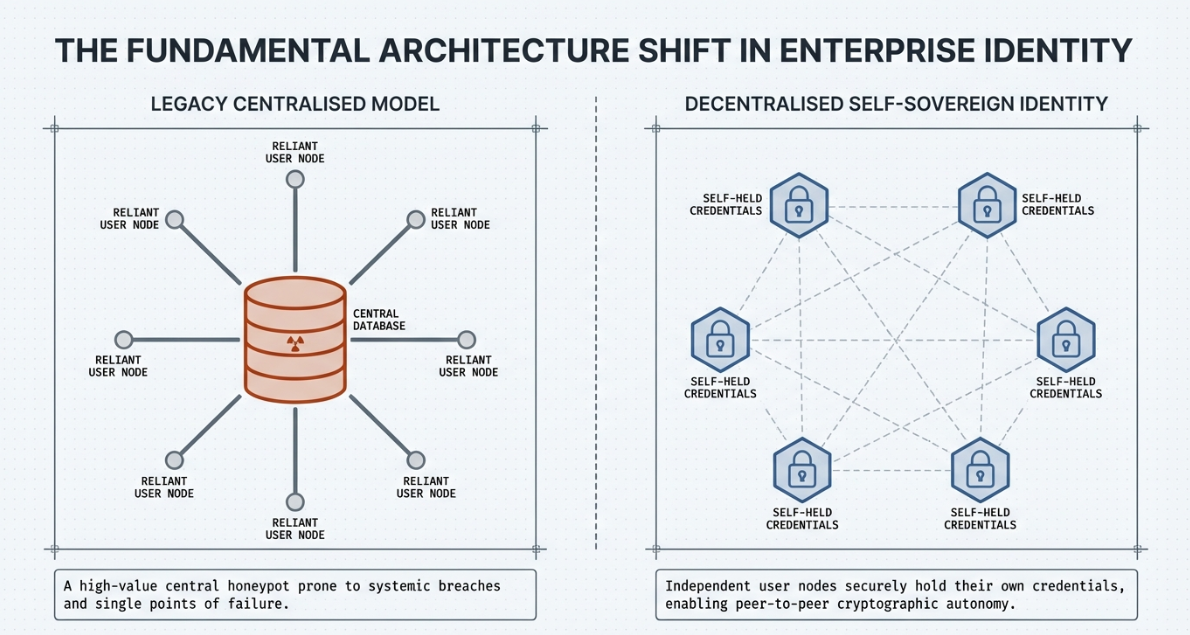
To understand where we’re heading, we must first recognize how far the industry has come. Blockchain offers a decentralized, secure, and transparent system for storing information. Unlike traditional databases, it removes the need for a central authority. Consequently, healthcare systems can address long-standing challenges such as data breaches, fragmented patient records, inefficient billing, and limited interoperability.
Moreover, industry reports indicate that the global blockchain healthcare market may exceed $3.3 billion by the end of 2025, a clear sign of growing adoption and trust.
1. Patient Identity Management: Solving the Puzzle of Medical Records
Managing patient identity across different healthcare systems has always been a significant challenge. Hospitals often store separate versions of the same patient’s data, which causes misdiagnosis risks, repeated tests, and administrative delays.
In 2025, healthcare providers are increasingly adopting blockchain to create decentralized patient identity systems. These digital IDs allow patients to own, update, and share their health information securely. Instead of relying on a single EMR provider, patients gain full control over their records.
Key Benefits:
- Self-sovereign identity: Patients decide who can access their information.
- Tamper-proof records: The blockchain ensures that no one can alter stored data.
- Faster onboarding: Hospitals can instantly verify a patient’s information with consent.
Organizations like SecureDApp and other Web3 innovators are piloting identity solutions, especially in regions that still depend on paper-based health records.
2. Smart Contracts for Insurance and Billing
Billing inefficiencies continue to burden healthcare systems. Processes such as insurance claim approvals, pre-authorizations, and co-pay validations often take far too long. Smart contracts—self-executing agreements on blockchain—are fundamentally improving these processes in 2025.
With blockchain in place:
- Claims process instantly once treatment criteria match.
- Automated payments reduce disputes between insurers and hospitals.
- Transparent transaction trails make fraud detection easier.
Additionally, when hospitals integrate smart contracts with Electronic Health Records (EHRs), they achieve faster claim cycles—often up to 40% quicker—and significantly better patient satisfaction.
3. Drug Traceability and Counterfeit Prevention
Counterfeit drugs continue to cost the global pharmaceutical industry billions. Beyond financial losses, fake products put patients at serious risk. Blockchain has become a crucial tool for securing the pharma supply chain in 2025.
Each stage—from manufacturing to delivery—enters the blockchain ledger. As a result, patients and pharmacists can scan a QR code to verify a drug’s origin, batch information, and movement across the supply chain.
Major advantages include:
- Real-time authenticity checks
- Faster recalls during contamination events
- Simplified cross-border regulatory compliance
Countries such as India, the U.S., and several EU nations are already rolling out blockchain-based drug tracking systems to meet evolving safety standards.
4. Public Health Surveillance and Pandemic Management
The COVID-19 pandemic revealed how fragmented and slow public health reporting can be. In 2025, blockchain technology is helping public health agencies build more coordinated and reliable systems.
Here’s how blockchain strengthens public health efforts:
- Decentralized applications enable real-time case reporting and contact tracing.
- Vaccination records stored on blockchain remain secure and verifiable anywhere.
- Distributed analytics systems identify early warning signs of emerging outbreaks.
Several African nations, for example, are deploying blockchain-powered systems to track malaria, HIV, and COVID-19 more efficiently. This upgrade helps them respond faster and allocate resources more effectively.
5. Empowering Clinical Research and Trials
Clinical research often struggles with data manipulation, low participation, and reporting delays. Blockchain is making clinical trials more transparent and efficient in 2025.
Key innovations include:
- Immutable logs for trial data
- Tokenized rewards that boost participant diversity
- Secure sharing of genomic data for personalized medicine
New platforms allow patients to contribute data anonymously and earn ethical, token-based incentives. This model encourages participation while protecting privacy.
Challenges and Considerations in 2025
Despite its rapid growth, blockchain adoption in healthcare still faces several challenges:
- Interoperability: Connecting blockchain networks with existing hospital systems remains complex.
- Regulatory uncertainty: Each country interprets data privacy and blockchain laws differently.
- Technical literacy: Healthcare workers and patients need proper training to use new tools confidently.
Fortunately, governments and blockchain leaders are collaborating on pilot programs, standards, and frameworks to resolve these obstacles.
The Road Ahead: Blockchain’s Role in Health Equity
Looking forward, blockchain has enormous potential to improve global health equity. It can offer digital IDs in rural regions, streamline healthcare subsidies, and improve the reliability of public health programs.
Initiatives like India’s Ayushman Bharat Digital Mission and WHO’s Smart Health Cards are already exploring how blockchain can empower underserved populations and accelerate global health transformation.
Final Thoughts
Healthcare is reaching a major turning point, and blockchain is driving the shift toward a smarter, safer, and more patient-driven future. From reimagining digital identities to improving clinical trials and strengthening pandemic preparedness, the trends of 2025 show that blockchain’s impact will continue to grow.
As innovators, policymakers, and healthcare providers work together, we move closer to a world where trust, transparency, and accessibility define every healthcare interaction—not as ideals, but as everyday realities.
Blockchain in healthcare isn’t just a prediction anymore—it’s a movement already in motion.
About SecureDApp
At SecureDApp, we build blockchain-first solutions that secure digital ecosystems across industries. Our upcoming healthcare modules aim to support patients, hospitals, and public health agencies with secure, scalable, and interoperable blockchain frameworks.