
Cybersecurity threats continue to evolve in 2026, making it increasingly difficult for small and medium-sized businesses (SMBs) to defend against ransomware, phishing campaigns, cloud security risks, supply chain attacks, and emerging Web3 vulnerabilities. Unlike large enterprises, many SMBs operate with limited cybersecurity budgets and smaller IT teams, making it challenging to implement enterprise-grade security strategies while maintaining regulatory compliance.
As businesses adopt cloud platforms, blockchain technologies, and decentralized applications (dApps), they require security solutions that combine traditional cybersecurity with specialized Web3 protection. This growing need has increased demand for virtual Chief Information Security Officer (vCISO) services, continuous threat monitoring, security assessments, and blockchain-focused risk management.
Ofofo addresses these challenges by providing an integrated cybersecurity marketplace and vCISO platform that helps SMBs access trusted security services, compliance expertise, and professional guidance. Through its partnership with SecureDApp, Ofofo also delivers advanced blockchain and Web3 security solutions, enabling organizations to strengthen their cybersecurity posture while confidently embracing digital innovation.
This is where Ofofo steps in.
Ofofo is a specialized cybersecurity marketplace and virtual CISO (vCISO) platform built to help SMBs strengthen their security posture. To expand its capabilities even further, Ofofo has partnered with SecureDApp, a leader in Web3 and blockchain security known for its high-quality smart contract audits and decentralized security tools.
Through this partnership, SMBs, especially those operating in Web3, can finally access affordable, enterprise-grade security solutions.
Ofofo.io: A One-Stop Cybersecurity Marketplace for SMBs
Unlike large enterprises, most SMBs cannot afford dedicated SOC teams, high-end cybersecurity tools, or in-house CISOs. Ofofo solves this challenge by offering a centralized marketplace where small businesses can discover, compare, and purchase cybersecurity solutions that fit their needs and budget.
Key Features of Ofofo.io
- Cybersecurity Services
From penetration testing to cloud security assessments, Ofofo provides services that help businesses identify risks before attackers exploit them. - vCISO Platform
SMBs can hire experienced cybersecurity professionals at a fraction of the cost of a full-time CISO. These experts help companies stay compliant and resilient. - Compliance Tools
For organizations navigating frameworks like ISO 27001, PCI DSS, HIPAA, or GDPR, Ofofo simplifies compliance with easy-to-use management tools. - Cybersecurity Vendor Marketplace
Businesses can connect with verified vendors offering solutions such as email security, cybersecurity training, phishing protection, and more.
Through these features, Ofofo makes strong cybersecurity both accessible and affordable for SMBs.
SecureDApp: Web3 Security Experts
As blockchain adoption grows, Web3 SMBs face emerging threats that traditional cybersecurity tools often overlook. SecureDApp brings deep expertise in blockchain, smart contract, and decentralized application security, significantly elevating the value Ofofo delivers to its users.
SecureDApp’s Web3 Security Offerings
- Web3 Security Audits
SecureDApp performs smart contract audits that protect businesses from vulnerabilities and multi-million-dollar exploits. - Decentralized Security Protocols
Their frameworks safeguard SMBs against threats targeting dApps, wallets, and decentralized ecosystems. - Continuous Threat Monitoring
Real-time monitoring helps detect and prevent blockchain-specific attacks before they cause damage. - Blockchain-Based Security Tools
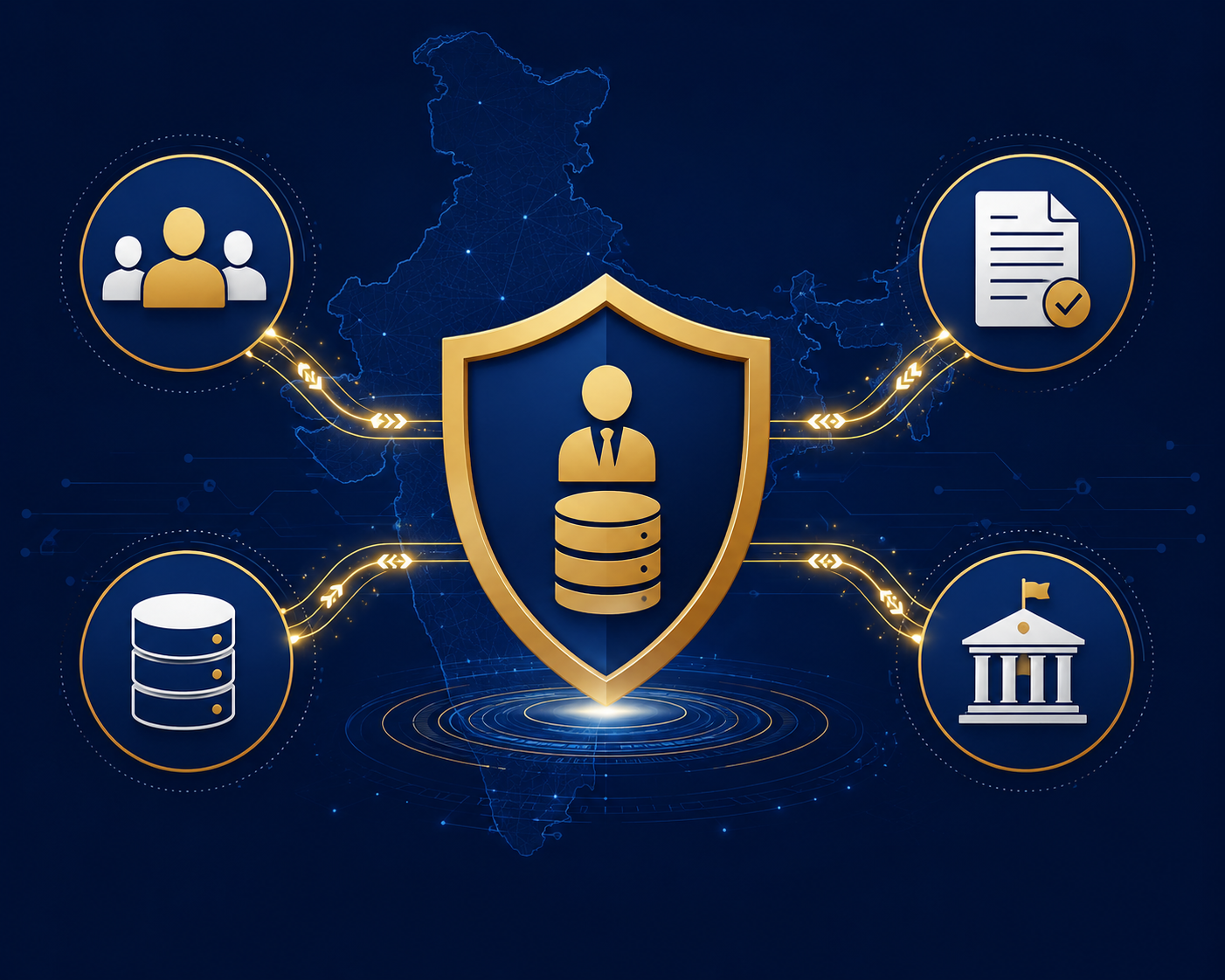
SecureDApp enhances the overall architecture by adding strong layers of blockchain-native protection.
With these capabilities, Web3 SMBs can confidently innovate without fearing security compromises.
Why SMBs Need Strong Cybersecurity More Than Ever
Cybercriminals increasingly target small businesses because they assume SMBs lack proper defences, and they’re often right. A single ransomware attack or data breach can lead to:
- severe financial losses
- reputational damage
- loss of customer trust
- regulatory penalties
Unfortunately, many SMBs recognize the importance of cybersecurity only after an attack takes place.
The Ofofo × SecureDApp collaboration aims to break this pattern by giving SMBs early access to powerful, affordable, and easy-to-use security solutions.
Conclusion: A New Standard for SMB Cybersecurity
The partnership between Ofofo and SecureDApp marks a major leap forward for SMB cybersecurity and blockchain protection. As cyber threats grow more advanced, businesses need security solutions that are both effective and accessible. Together, Ofofo and SecureDApp deliver exactly that, combining traditional cybersecurity, vCISO expertise, and next-gen blockchain security under one comprehensive ecosystem.
By empowering SMBs with the right tools and knowledge, this collaboration is helping create a safer digital environment where small businesses can grow with confidence.
FAQs
1. What is Ofofo, and how does it help small businesses?
Ofofo is a cybersecurity marketplace and virtual Chief Information Security Officer (vCISO) platform that helps small and medium-sized businesses access cybersecurity services, compliance support, security assessments, and expert guidance without the cost of maintaining a full in-house security team.
2. What is a virtual CISO (vCISO)?
A virtual Chief Information Security Officer (vCISO) is an experienced cybersecurity professional who provides strategic security leadership, risk management, compliance guidance, and cybersecurity planning on a flexible basis. This allows organizations to benefit from executive-level security expertise without hiring a full-time CISO.
3. Why do SMBs need cybersecurity in 2026?
SMBs are increasingly targeted by ransomware, phishing attacks, business email compromise, supply chain attacks, cloud security threats, and Web3-related cyber risks. Strong cybersecurity helps protect sensitive business data, customer information, financial assets, and regulatory compliance while reducing operational disruptions.
4. How does SecureDApp improve Web3 security?
SecureDApp provides blockchain security services such as smart contract audits, decentralized application (dApp) security assessments, blockchain infrastructure reviews, vulnerability testing, and continuous threat monitoring. These services help organizations identify security risks before they impact digital assets or blockchain applications.
5. What cybersecurity trends should SMBs watch in 2026?
Important cybersecurity trends include AI-powered threat detection, zero-trust security architectures, cloud security optimization, supply chain risk management, Web3 security, continuous compliance monitoring, identity and access management (IAM), and proactive vulnerability management for both traditional and blockchain-based systems.