
Since its launch in 2009, Bitcoin has transformed the idea of digital money. It also opened the doors for blockchain technology to grow across many industries. Bitcoin remains the foundation on which today’s decentralized ecosystem has evolved. This article explains the deep connection between Bitcoin and blockchain and how Bitcoin continues to shape the digital landscape.
Bitcoin as the Starting Point for Blockchain Innovation
Bitcoin was introduced by the anonymous creator Satoshi Nakamoto in the white paper Bitcoin: A Peer-to-Peer Electronic Cash System. It became the first real use case of blockchain. Bitcoin is a decentralized digital currency that runs on a peer-to-peer network. It enables secure and transparent transactions without banks or central authorities.
Its underlying blockchain is a distributed ledger that records every transaction. This ledger is open, verifiable, and tamper-proof. It is the core technology that keeps the Bitcoin network running smoothly.
Why Blockchain Matters in Bitcoin
Blockchain acts as the backbone of Bitcoin. It stores transactions in blocks, and each block links to the previous one. This creates a chain that cannot be changed later. This design protects the network from fraud and ensures that all users can trust the system.
Because of this immutability, users do not worry about double-spending or hidden changes. The blockchain makes every transaction traceable and secure.
Decentralization and Trustlessness
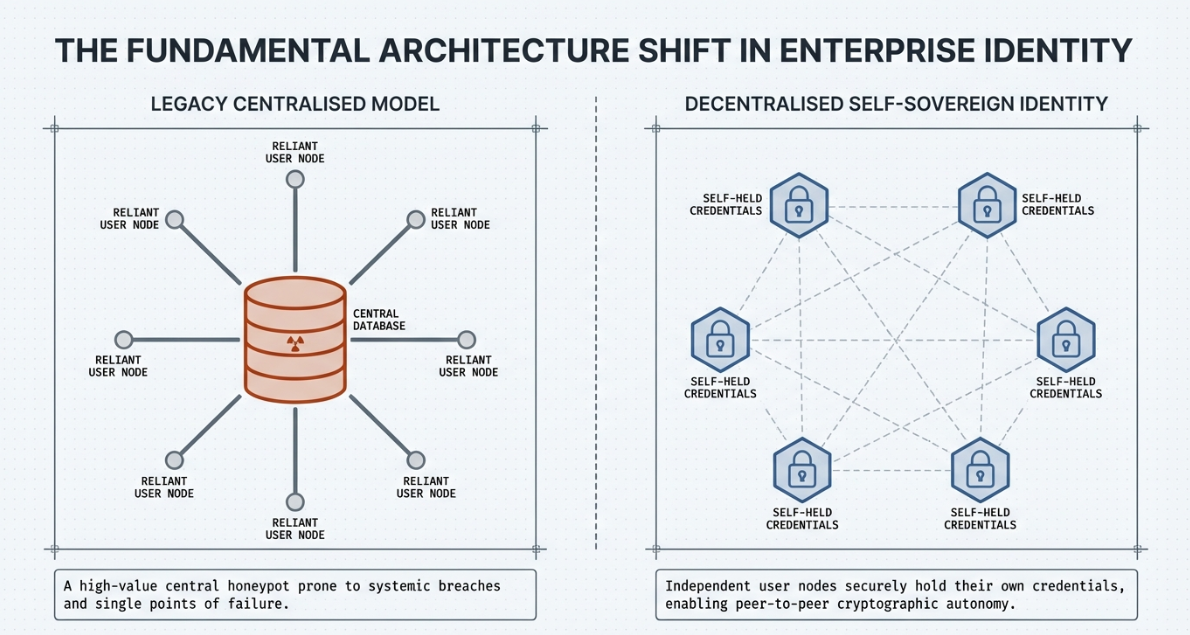
Both Bitcoin and blockchain depend on decentralization. Thousands of independent nodes maintain the network. No single person, company, or government controls it. This makes Bitcoin resistant to censorship and manipulation.
Users can transact directly with each other. They don’t need a middleman, which creates a trustless environment where code and consensus rules maintain fairness
Bitcoin’s Influence on Blockchain Development
Although Bitcoin is the most popular use of blockchain, its impact goes far beyond being a digital currency. Bitcoin sparked a wave of innovation. It led to the creation of blockchain platforms and applications across many sectors.
Industries like finance, supply chain, healthcare, and voting now explore blockchain solutions. The concepts introduced by Bitcoin, such as decentralization and transparency, continue to drive new ideas and systems.
How Bitcoin Shaped the Cryptocurrency Market
Bitcoin’s success inspired developers to create thousands of new cryptocurrencies, known as altcoins. These coins explore new features, such as decentralized finance (DeFi), smart contracts, and non-fungible tokens (NFTs).
Even with the growth of altcoins, Bitcoin remains the largest and most trusted cryptocurrency. The rise of these projects shows how flexible and powerful blockchain technology can be.
Conclusion
Bitcoin and blockchain share a strong and inseparable relationship. Bitcoin was the first major application of blockchain, but its influence now spreads far beyond digital payments. With a growing global community of developers, entrepreneurs, and users, the future of Bitcoin and blockchain looks promising. Their combined potential continues to push innovation and reshape the global financial system.
Blog By — Okechukwu Chimaobi
LinkedIn