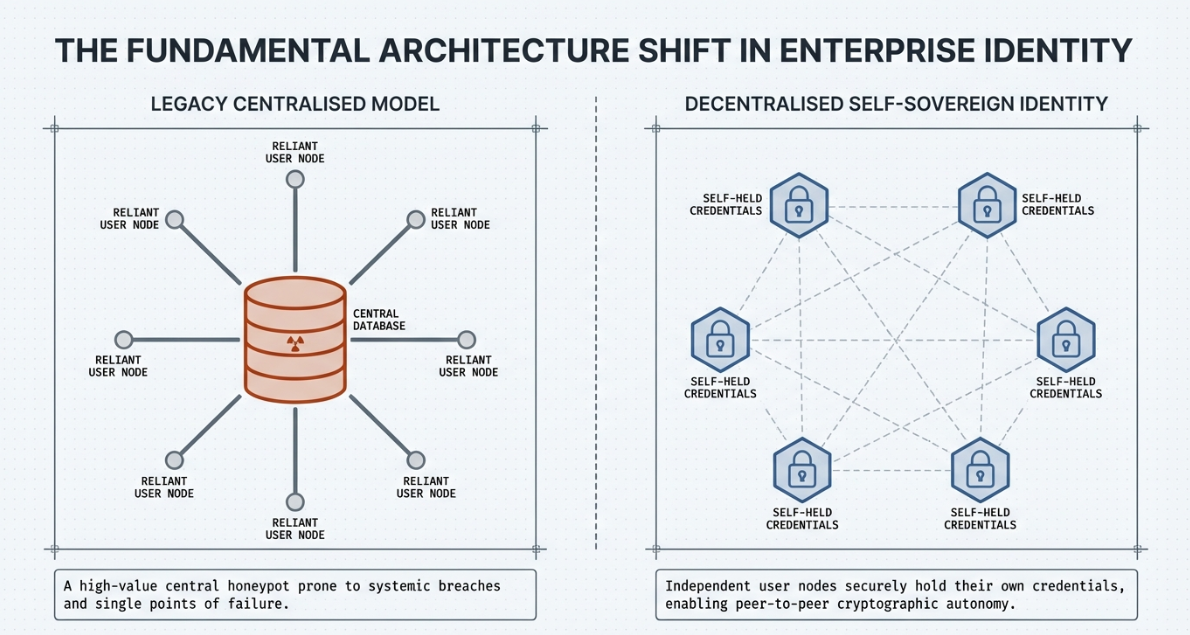

The blockchain landscape has transformed dramatically over the past few years. What started as a revolutionary technology for secure transactions has become a complex ecosystem worth trillions of dollars. But with this growth comes an uncomfortable truth: threats are evolving just as quickly. Traditional security measures struggle to keep pace. By the time most organizations detect a breach, significant damage has already occurred. This is where real-time blockchain threat monitoring changes everything. When powered by artificial intelligence, it creates a protective shield that adapts, learns, and responds at the speed of digital transactions.
Understanding Real-Time Blockchain Threat Monitoring
Real-time blockchain threat monitoring represents a fundamental shift in how we protect digital assets. Instead of reviewing logs after an incident, this approach analyzes every transaction as it happens. The system examines patterns, identifies anomalies, and flags suspicious activities within milliseconds. Think of it as having a vigilant guardian that never sleeps. While traditional security reviews historical data, real-time monitoring lives in the present moment. Every wallet interaction, smart contract execution, and token transfer gets scrutinized instantly.
The blockchain’s transparent nature actually works in our favor here. Every transaction leaves a permanent record. AI systems can leverage this transparency to build comprehensive threat profiles. They learn what normal activity looks like and immediately spot deviations. But speed alone isn’t enough. The real power comes from combining velocity with intelligence. Modern threat monitoring doesn’t just detect problems quickly. It understands context, predicts potential attacks, and even prevents them before they execute.
The Growing Threat Landscape in Blockchain
Blockchain threats have become increasingly sophisticated. Hackers no longer rely on brute force attacks. They exploit smart contract vulnerabilities, manipulate consensus mechanisms, and orchestrate complex social engineering schemes. Consider the scale of the problem. In 2024 alone, blockchain-related security incidents resulted in losses exceeding $2 billion. These weren’t simple password breaches. They involved carefully planned attacks that exploited weaknesses most organizations didn’t know existed.
Phishing attacks targeting blockchain users have grown exponentially. Attackers create convincing replicas of legitimate platforms, tricking users into revealing private keys. Once compromised, recovery becomes nearly impossible due to blockchain’s immutable nature. Smart contract vulnerabilities present another critical challenge. A single line of flawed code can expose millions of dollars to theft. Traditional code reviews often miss these subtle errors. By the time they’re discovered, it’s usually too late.
Rug pulls and exit scams continue to plague decentralized finance. Project creators accumulate investor funds, then vanish overnight. These scams often involve sophisticated marketing and seemingly legitimate roadmaps that fool even experienced investors. Front-running attacks exploit the transparent nature of blockchain transactions. Bots monitor pending transactions and execute their own trades first. This manipulation costs traders billions annually and undermines market integrity.
How AI Transforms Blockchain Security
Artificial intelligence brings unprecedented capabilities to blockchain security. Machine learning algorithms can process millions of transactions simultaneously, identifying patterns invisible to human analysts. This computational power transforms security from reactive to proactive. AI systems learn continuously from every interaction. They build detailed behavioral profiles of normal network activity. When something deviates from established patterns, the system immediately recognizes it. This learning never stops, adapting to new threat types as they emerge.
Natural language processing helps AI understand social engineering attempts. It analyzes communication patterns, identifies phishing language, and warns users before they interact with malicious actors. This linguistic analysis happens in real-time across multiple platforms. Predictive analytics represents perhaps AI’s most powerful contribution. By analyzing historical attack data, AI can forecast where threats are likely to emerge. Security teams can strengthen defenses before attacks even begin.
Deep learning models excel at detecting sophisticated fraud schemes. They recognize complex relationships between seemingly unrelated transactions. Patterns that would take human analysts weeks to uncover become apparent in seconds. Computer vision capabilities extend monitoring to visual elements. AI can detect fake websites, identify counterfeit tokens, and spot manipulated images used in scams. This multi-sensory approach creates comprehensive protection.
Core Components of AI-Powered Threat Monitoring
Effective real-time blockchain threat monitoring requires several interconnected components working harmoniously. Each element plays a crucial role in creating comprehensive security coverage. Transaction analysis forms the foundation. AI systems examine every blockchain transaction instantly. They evaluate transaction values, wallet addresses, gas fees, and timing patterns. Suspicious combinations trigger immediate alerts.
Smart contract auditing happens continuously rather than just at deployment. AI monitors contract behavior post-launch, detecting unexpected functions or unauthorized modifications. This ongoing surveillance catches vulnerabilities missed during initial reviews. Wallet behavior analysis tracks individual address activities. The system learns spending patterns, interaction frequencies, and typical transaction amounts. Sudden changes in behavior indicate potential compromise.
Network topology mapping visualizes relationships between addresses. AI identifies clusters of related wallets and traces fund flows across multiple transactions. This capability proves invaluable for investigating money laundering schemes. Threat intelligence integration pulls data from multiple sources. The system aggregates information from security databases, incident reports, and dark web monitoring. This collective knowledge enhances detection accuracy. Automated response mechanisms enable immediate action when threats emerge. Systems can pause suspicious transactions, freeze compromised accounts, or trigger multi-factor authentication challenges. These instant responses often prevent losses entirely.
Real-Time Detection Mechanisms
Speed defines effective threat monitoring. Real-time detection mechanisms must operate within incredibly tight time windows. Every millisecond counts when protecting valuable digital assets. Stream processing technology enables continuous data analysis. Unlike batch processing that reviews data periodically, streaming evaluates information as it arrives. This approach eliminates dangerous gaps in security coverage.
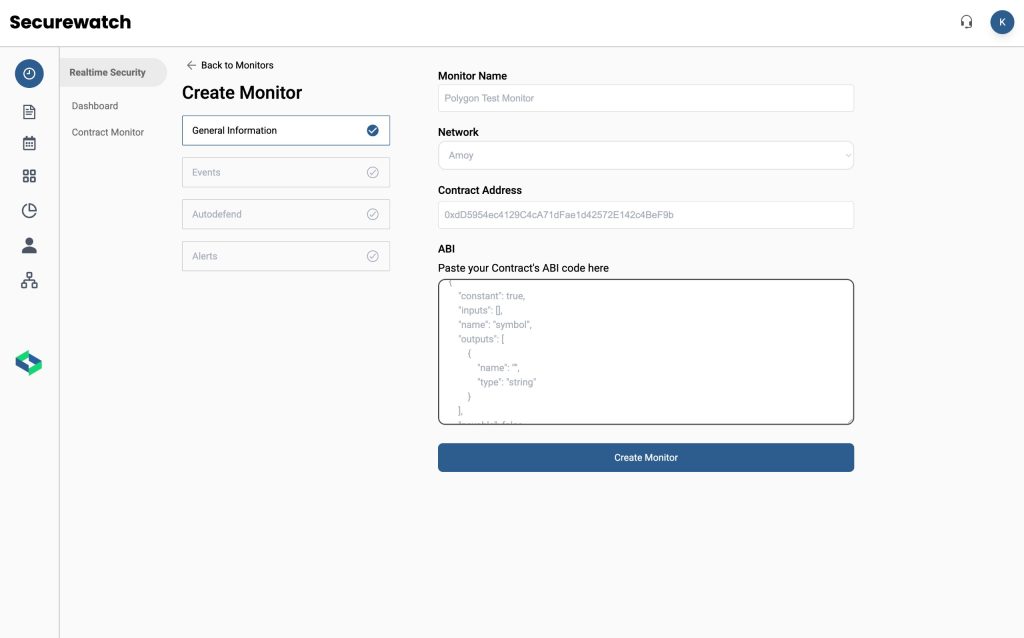
Anomaly detection algorithms form the heart of real-time monitoring. These systems establish baseline behaviors for every wallet and contract. Deviations from normal patterns trigger graduated responses based on severity. Behavioral biometrics add another detection layer. AI learns how legitimate users interact with platforms. Typing patterns, navigation behaviors, and transaction habits create unique profiles. When someone else accesses an account, the system notices immediately.
Cross-chain analysis tracks assets as they move between different blockchains. Sophisticated attackers often use bridge protocols to obscure stolen funds. AI follows these movements across networks, maintaining visibility throughout. Velocity checks monitor transaction frequencies and amounts. If a wallet suddenly processes hundreds of transactions or moves unusually large sums, the system flags it. These patterns often indicate automated attacks or account takeovers. Pattern recognition identifies known attack signatures. The AI maintains libraries of common exploit techniques. When it sees similar patterns emerging, it can stop attacks before they complete.
Machine Learning Models in Action
Different machine learning models serve specific security purposes. Selecting the right model for each task maximizes detection accuracy and minimizes false positives. Supervised learning models excel at identifying known threat types. Trained on labeled datasets of legitimate and malicious transactions, they recognize similar patterns in new data. These models form the first line of defense.
Unsupervised learning discovers unknown threats. Without requiring pre-labeled data, these algorithms detect unusual patterns that might represent novel attack vectors. This capability proves crucial as attackers develop new techniques. Reinforcement learning optimizes security responses over time. The system receives feedback on its decisions, learning which actions successfully prevent threats. This continuous improvement enhances effectiveness without human intervention.
Neural networks handle complex pattern recognition tasks. Deep learning architectures process multiple data dimensions simultaneously, identifying subtle correlations that simpler models miss. This sophistication catches advanced persistent threats. Ensemble methods combine multiple models for robust detection. By aggregating predictions from several algorithms, the system achieves higher accuracy than any single model. This approach reduces both false positives and false negatives. Transfer learning accelerates model deployment. Pre-trained models developed for general blockchain analysis can be fine-tuned for specific networks. This saves significant training time while maintaining high performance.
Benefits of Real-Time Blockchain Threat Monitoring
Organizations implementing real-time blockchain threat monitoring experience transformative security improvements. The benefits extend far beyond simple threat detection. Financial losses decrease dramatically. By catching threats instantly, systems prevent the majority of attempted thefts. Even when attacks partially succeed, rapid detection limits damage exposure. This protection directly impacts the bottom line. Regulatory compliance becomes easier. Many jurisdictions now require robust security measures for blockchain operations. Real-time monitoring demonstrates due diligence and helps organizations meet compliance standards. Audit trails generated automatically simplify regulatory reporting.
User trust strengthens significantly. When customers know their assets have advanced protection, they engage more confidently. This trust translates into higher platform adoption and increased transaction volumes. Operational efficiency improves across security teams. Automated monitoring handles routine surveillance, freeing analysts to focus on complex investigations. This optimization reduces staffing costs while improving overall security posture.
Incident response accelerates dramatically. When threats emerge, security teams receive detailed context immediately. They understand attack vectors, affected systems, and recommended actions within seconds. This speed minimizes confusion and enables decisive responses. Competitive advantages emerge naturally. Organizations with superior security attract more users and partners. In competitive markets, robust threat monitoring becomes a differentiating feature that drives business growth.
Implementation Challenges and Solutions
Deploying AI-powered threat monitoring presents several significant challenges. Understanding these obstacles helps organizations prepare effective strategies. Data quality issues often undermine AI effectiveness. Blockchain data, while transparent, can be noisy and inconsistent. Organizations must implement robust data cleaning processes. At SecuredApp, we’ve developed preprocessing pipelines that normalize data across multiple blockchain networks.
Integration complexity challenges many implementation teams. Existing security infrastructure must connect seamlessly with new AI systems. This requires careful architectural planning and potentially significant system modifications. Modular approaches help minimize disruption during deployment. False positive management remains an ongoing concern. Overly sensitive systems generate excessive alerts, causing alarm fatigue among security teams. Proper tuning balances detection sensitivity with practical alert volumes. Continuous refinement improves this balance over time.
Computational requirements can be substantial. Real-time analysis of high-volume blockchains demands significant processing power. Cloud-based solutions offer scalability, but organizations must carefully manage costs. Efficient algorithms and optimized infrastructure help control expenses. Privacy considerations require careful attention. While blockchain data is public, user information must remain protected. AI systems must comply with data protection regulations while still providing effective monitoring. Anonymization techniques help balance these competing needs.
Skill gaps present adoption barriers. Many organizations lack personnel with both blockchain and AI expertise. Training existing staff, hiring specialists, or partnering with security providers can address this challenge. SecuredApp offers comprehensive support services to bridge these knowledge gaps.
SecuredApp’s Approach to Threat Monitoring
SecuredApp has developed sophisticated solutions specifically for real-time blockchain threat monitoring. Our platform combines cutting-edge AI with deep blockchain expertise to deliver comprehensive protection. Our multi-layer detection architecture analyzes blockchain activity from multiple perspectives simultaneously. Transaction-level monitoring catches individual suspicious activities. Network-level analysis identifies coordinated attack patterns. Smart contract surveillance prevents code exploitation.
Customizable risk scoring adapts to each organization’s unique needs. Different blockchain applications face different threat profiles. Our system allows organizations to weight various risk factors according to their specific circumstances. This flexibility ensures relevant and actionable alerts. Automated investigation tools accelerate threat analysis. When suspicious activity emerges, our platform automatically gathers related information. Security teams receive complete incident packages including transaction histories, wallet relationships, and similar past incidents.
Real-time alerting mechanisms deliver notifications through multiple channels. Critical threats trigger immediate alerts via email, SMS, and integrated security platforms. Priority levels ensure teams respond appropriately to each situation. Comprehensive reporting capabilities support both operational and strategic decisions. Detailed incident reports document every threat detection and response. Executive dashboards provide high-level security metrics for leadership review. Integration with existing security infrastructure ensures seamless operations. SecuredApp connects with SIEM systems, incident response platforms, and threat intelligence feeds. This interoperability maximizes the value of existing security investments.
Best Practices for Effective Monitoring
Success with real-time blockchain threat monitoring requires more than just deploying technology. Organizations must follow proven practices to maximize protection. Establish clear security policies before implementation. Define acceptable use parameters, response protocols, and escalation procedures. These policies guide both automated systems and human responders during incidents.
Tune detection parameters carefully for your specific environment. Generic settings rarely provide optimal results. Analyze your normal activity patterns and adjust thresholds accordingly. Plan for iterative refinement as you learn what works best. Maintain updated threat intelligence feeds. The security landscape evolves constantly. Regular intelligence updates ensure your AI models recognize the latest attack techniques. Consider subscribing to multiple intelligence sources for comprehensive coverage.
Train security teams on AI-assisted workflows. Human analysts must understand how to interpret AI-generated alerts and leverage automated investigation tools. Regular training sessions keep skills current as systems evolve. Conduct regular testing and simulation exercises. Periodic penetration testing validates monitoring effectiveness. Simulated attacks help teams practice response procedures in controlled environments.
Document all security incidents thoroughly. Detailed records support continuous improvement efforts. Analyze past incidents to identify patterns and strengthen defenses against similar future attacks. Review and update monitoring strategies quarterly. As your blockchain operations grow and change, security approaches must adapt. Regular strategic reviews ensure monitoring remains aligned with business objectives.
The Future of Blockchain Security
Real-time blockchain threat monitoring continues evolving rapidly. Several emerging trends will shape security practices in coming years. Quantum computing presents both opportunities and threats. While quantum computers could break current encryption methods, they’ll also enable more powerful threat detection. Organizations must prepare for this quantum future now. Decentralized security protocols will become more prevalent. Rather than relying on centralized monitoring services, blockchain networks will integrate security directly into their protocols. This distributed approach could revolutionize threat detection.
AI agents will become more autonomous. Future systems may handle complete incident responses without human intervention. These intelligent agents will negotiate with attackers, isolate threats, and restore normal operations independently. Cross-chain security standards will emerge. As blockchain interoperability increases, unified security frameworks will become essential. Industry collaboration will produce standardized threat detection and response protocols. Privacy-preserving security techniques will advance. Zero-knowledge proofs and homomorphic encryption will enable threat monitoring without exposing sensitive transaction details. This privacy protection will become increasingly important. Regulatory frameworks will mature significantly. Governments worldwide are developing blockchain security standards. Compliance with these emerging regulations will drive adoption of sophisticated monitoring solutions.
Making the Decision to Implement
Organizations considering real-time blockchain threat monitoring should evaluate several key factors. This decision represents a significant investment in security infrastructure. Assess your current threat exposure honestly. Consider the value of assets under protection, historical incident frequency, and potential loss scenarios. Organizations with high exposure benefit most from advanced monitoring. Evaluate your existing security capabilities. Identify gaps that AI-powered monitoring could fill. Consider whether internal teams have bandwidth to manage additional systems or if managed services make more sense.
Calculate the cost-benefit ratio carefully. Compare monitoring implementation and operational costs against potential losses from security incidents. Factor in indirect costs like reputational damage and regulatory penalties. Consider scalability requirements for your operations. As blockchain activities grow, security must scale accordingly. Choose solutions that can accommodate future expansion without requiring complete replacement. Review vendor capabilities thoroughly. Different providers offer varying levels of sophistication and support. SecureDApp specializes in comprehensive blockchain security with proven expertise across multiple networks. Plan implementation timelines realistically. Effective deployment requires careful planning, testing, and tuning. Rushing implementation often leads to suboptimal results. Budget adequate time for proper setup and optimization.
Conclusion
Real-time blockchain threat monitoring powered by artificial intelligence represents the future of digital asset security. As blockchain adoption accelerates, sophisticated protection becomes non-negotiable. The question isn’t whether to implement real-time monitoring, but when and how. Organizations that act proactively protect themselves better than those who wait for incidents to force action. SecureDApp stands ready to help organizations navigate this security landscape. Our expertise in both blockchain technology and artificial intelligence positions us uniquely to deliver effective protection. The time to strengthen your blockchain security is now.
Traditional security reviews data after events occur, often discovering breaches days or weeks late. AI-powered real-time monitoring analyzes every transaction instantly as it happens. The system uses machine learning to detect patterns humans would miss and responds within milliseconds. This proactive approach prevents most threats before they cause damage, rather than simply documenting attacks after the fact.
How accurate is AI in detecting blockchain threats?
Modern AI systems achieve detection accuracy rates exceeding 95% when properly trained and tuned. However, accuracy depends heavily on implementation quality, training data volume, and ongoing optimization. False positives decrease significantly as systems learn from operational experience. Organizations should expect an initial tuning period before achieving optimal performance. Regular updates and maintenance ensure accuracy remains high as new threat types emerge.
Yes, advanced monitoring systems support multiple blockchain networks simultaneously. SecureDApp’s platform monitors activity across Ethereum, Bitcoin, Binance Smart Chain, Solana, and other major networks. Cross-chain analysis tracks asset movements between networks, which proves crucial since sophisticated attackers often use multiple chains. Unified dashboards provide comprehensive visibility regardless of which blockchains your organization uses.
Detection triggers an immediate, graduated response based on threat severity. For low-risk anomalies, the system logs activity for analyst review. Medium-risk threats generate real-time alerts to security teams with investigation details. High-risk threats can trigger automated responses like transaction pauses, account freezes, or authentication challenges. Organizations customize these response workflows based on their specific security policies and risk tolerance.
Implementation timelines vary based on environment complexity and organizational readiness. Basic monitoring for a single blockchain network can be operational within 2-3 weeks. Comprehensive deployments covering multiple networks with custom integrations typically require 6-8 weeks. This includes initial setup, integration with existing systems, configuration tuning, team training, and validation testing. SecureDApp’s implementation team works closely with organizations to minimize disruption and accelerate time-to-value.