
Introduction
Navigating the world of cryptocurrency can feel like a thrilling adventure, but with great digital assets comes great responsibility. As we move into 2025, the landscape of crypto is evolving faster than ever, with new opportunities and new threats emerging every day. For beginners, understanding how to keep your funds secure is the single most important lesson. This Beginner’s Guide to Crypto Wallet Safety in 2025 is your essential roadmap to protecting your digital wealth from the common pitfalls and sophisticated attacks that plague the space.
What Is a Crypto Wallet and Why Is Security Crucial?
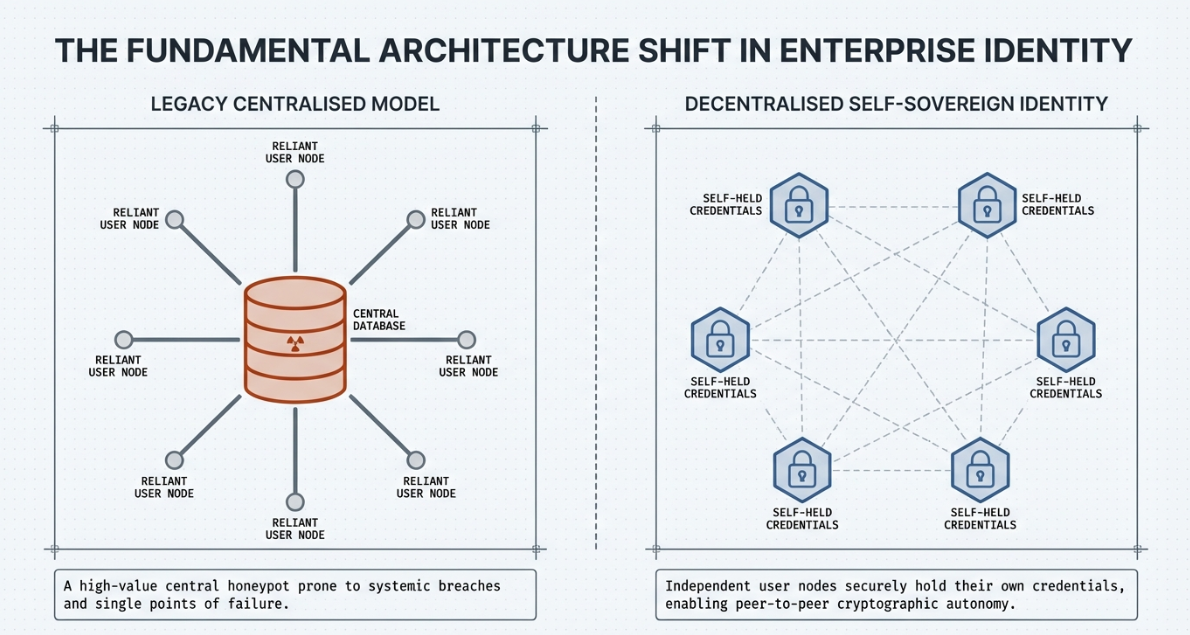
A crypto wallet isn’t a physical container for your coins. Instead, think of it as a digital tool that holds the private keys you need to access and manage your cryptocurrency on the blockchain. Your public key is like your bank account number, safe to share so others can send you crypto. Your private key, however, is your password the cryptographic signature that authorizes transactions. Lose your private key or have it stolen, and you can lose all your funds, with no bank or central authority to help you recover them. This is why securing your wallet is paramount. Without proper safety measures, your digital assets are a tempting target for hackers.
The Two Main Types of Wallets: Hot vs. Cold
Understanding the two fundamental types of crypto wallets is the first step to a sound security strategy.
– Hot Wallets: These wallets are connected to the internet. They’re convenient for day-to-day transactions and small amounts of crypto, but their online nature makes them more vulnerable to hacks and cyber threats. Examples include mobile wallets and browser extensions.
– Cold Wallets: These wallets store your private keys offline, completely disconnected from the internet. This air-gapped approach makes them the most secure option for long-term storage of significant crypto holdings. Hardware wallets, which resemble a USB drive, are the most popular form of cold storage.
The general rule of thumb is: keep the crypto you actively trade or use in a hot wallet, and move the bulk of your investment to a cold wallet for safe, long-term storage.
Essential Security Practices for Every Crypto Holder
Regardless of the type of wallet you use, these universal practices will significantly bolster your defenses.
– Secure Your Seed Phrase: Your seed phrase, or recovery phrase, is a series of 12-24 words that acts as the master key to your wallet. Anyone with this phrase can restore your wallet and access your funds. The golden rule: never store it digitally. Don’t take a screenshot, save it to a cloud service, or email it to yourself. Instead, write it down on a piece of paper and store it in multiple secure, physical locations, like a fireproof safe.
– Enable Two-Factor Authentication (2FA): Where possible, enable 2FA on all your crypto accounts, including exchanges and wallets. This adds an extra layer of security, requiring a second verification code from an app like Google Authenticator or a physical security key in addition to your password.
-Use Strong, Unique Passwords: Use a different, complex password for every crypto-related service. A password manager is an invaluable tool for this.
-Be Hyper-Vigilant Against Phishing: Phishing scams are the most common way hackers steal crypto. Always double-check URLs, verify the sender of emails, and never click on suspicious links. Be wary of messages on social media or in Discord servers that ask you to click a link or enter your seed phrase for an airdrop or special offer. Remember, no legitimate service will ever ask for your private key or seed phrase.
Securing Your Wallet in a Web3 World
As decentralized applications (dApps) and smart contracts become more prevalent, new security considerations arise. Interacting with these platforms requires signing transactions, which can expose you to new kinds of threats. For instance, a malicious smart contract could trick you into approving a transaction that drains your entire wallet.
This is where a deeper level of security becomes necessary. Services like Solidity Shield are leading the charge in this new era of digital security. Solidity Shield offers smart contract auditing, a crucial service that meticulously scans code for vulnerabilities before a project is launched. By getting a contract audited, you can reduce the risk of exploits and ensure the code is safe for interaction.
Staying Ahead of Blockchain Threats
The blockchain, while incredibly secure at its core, is not immune to threats. The sheer volume of transactions and the decentralized nature of the ecosystem can make it difficult to detect malicious activity in real time. This is why many experienced crypto users and projects turn to specialized blockchain security tools.
One such tool is Secure Watch. This platform uses AI and machine learning to provide real-time threat detection for blockchain projects, identifying suspicious on-chain activity and anomalies that could indicate an ongoing attack or a potential threat. For a business or a large-scale DeFi project, this kind of continuous monitoring is a necessity. For the individual, awareness of these threats and the tools designed to combat them is part of being a responsible crypto user.
Conclusion
Ultimately, the strongest security is a combination of technology and vigilance. Your wallet is only as secure as the person operating it. The biggest threat to your funds isn’t a hacker, but often a simple mistake clicking a bad link, revealing your seed phrase, or using a weak password.
Stay informed, be cautious, and always prioritize security above convenience. By following these guidelines and leveraging the advanced security tools available, you can confidently navigate the exciting, yet risky, world of cryptocurrency in 2025. For more in-depth knowledge on the future of crypto, check out our insights on the evolving Web3 ecosystem.