
The internet has undergone remarkable transformations over the past three decades, evolving from static web pages to highly interactive platforms and now toward decentralized, intelligent digital ecosystems. In 2026, technologies such as blockchain, artificial intelligence (AI), decentralized identity (DID), tokenization, and smart contracts are accelerating the transition from Web 2.0 to Web 3.0. This new generation of the internet aims to give users greater control over their data, digital assets, and online identities while reducing dependence on centralized platforms.
Understanding the evolution from Web 1.0 to Web 2.0 and now Web 3.0 helps businesses, developers, and everyday users prepare for the future of the internet. Each generation has introduced new capabilities, from simply consuming information to creating content and now participating in decentralized digital economies powered by blockchain and AI.
In this guide, we’ll explore the key differences between Web 1.0, Web 2.0, and Web 3.0, examine their defining technologies, advantages, and challenges, and discuss how Web3 is shaping the future of digital experiences.
Web 1.0: The Read-Only Web (1990s – Early 2000s)
Web 1.0 represents the internet’s early days, characterized by static content and limited interactivity. Think of it as a massive online library full of information but with minimal ways for users to contribute or interact.
Key Features:
- Static Content: Websites were primarily HTML pages, offering limited functionality. Users could only consume information.
- Dial-Up Access: Slow connections hindered user experience and adoption.
- Limited Content Creation: Only developers or tech-savvy individuals could publish online content.
Impact:
Web 1.0 laid the foundation for the modern internet by enabling global information sharing. However, its read-only nature limited interaction, collaboration, and the growth of user-generated content.
Web 2.0: The Participative Social Web (Early 2000s – Present)
With Web 2.0, the internet became interactive, collaborative, and social. Users could now create, share, and engage with content like never before. Social media platforms, blogs, and wikis transformed the web into a participatory ecosystem.
Key Features:
- User-Generated Content: Platforms like YouTube, Facebook, and Wikipedia empowered users to create and share content.
- Dynamic Websites: Features such as comments, forums, and social feeds encouraged interaction.
- Improved Accessibility: Widespread broadband internet increased connection speeds, enriching the user experience.
Impact:
Web 2.0 democratized content creation and communication. It enabled collaboration at scale but also introduced challenges like centralized control by major tech companies, data privacy concerns, and misinformation.
Web 3.0: The Read-Write-Execute Web (Present and Beyond)
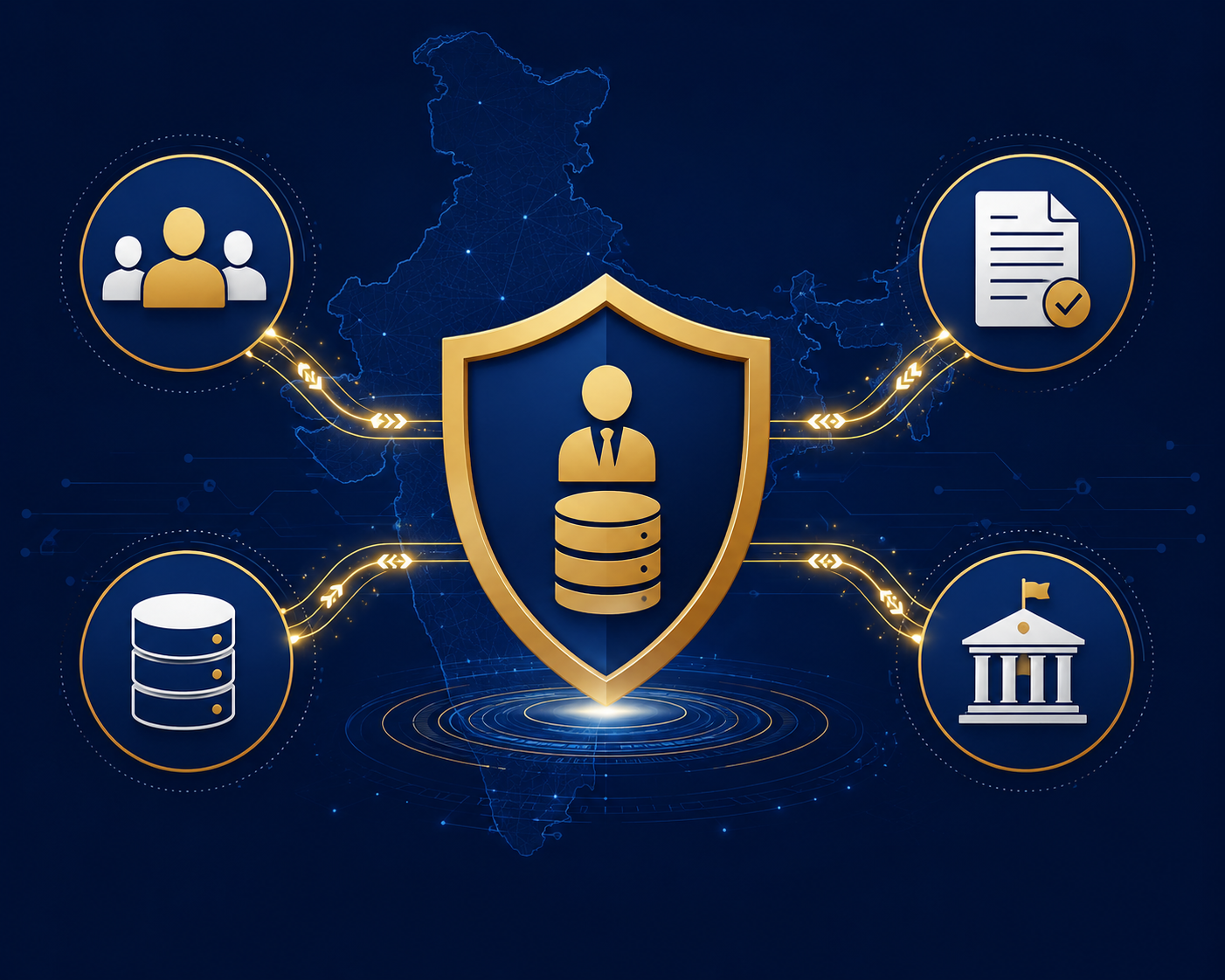
Web 3.0 is the next phase of the internet, focused on decentralization, intelligence, and user ownership. It combines technologies like blockchain, artificial intelligence, and the semantic web to create a more open and equitable digital landscape.
Key Features:
- Decentralization: Reduces reliance on centralized entities, empowering users with control over their data.
- Semantic Web: Information is machine-readable, enabling context-aware and intelligent data processing.
- Artificial Intelligence: AI personalizes user experiences, automates tasks, and creates intelligent web agents.
Impact:
Web 3.0 promises a more equitable, connected, and personalized internet. However, challenges such as blockchain security, scalability, and social fragmentation must be carefully addressed.
Why Web 3.0 is an Upgrade Over Web 2.0
- Decentralization: Web 3.0 distributes control across networks of nodes, removing single points of failure and giving users ownership of their data.
- Blockchain Integration: Enables transparent, secure, and immutable systems, facilitating trustless peer-to-peer interactions.
- Interoperability: Seamless communication between different platforms allows data and services to integrate effortlessly.
- User-Centric Experience: Individuals control their digital identities and personal information, with opportunities to monetize their data.
- Enhanced Privacy & Security: Cryptography and decentralization protect users from breaches, surveillance, and unauthorized access.
The Road Ahead: Building a Web for Everyone
The journey from Web 1.0 to Web 3.0 reflects the internet’s evolution from read-only to read-write-execute, empowering users to actively shape the online world. Web 3.0 promises greater user sovereignty, security, and interoperability, but adoption requires addressing challenges like scalability, regulatory frameworks, and ongoing technological development.
By fostering collaboration among developers, businesses, and regulators, we can build an internet that is inclusive, secure, and user-owned, enabling innovation while respecting privacy and personal data rights.
Conclusion
Web 3.0 represents a significant shift toward decentralization, intelligence, and user empowerment. While challenges remain, its potential to reshape the internet for the better, empowering individuals, enabling secure transactions, and promoting innovation is undeniable. As this new era unfolds, Web 3.0 may finally fulfill the vision of an internet that is truly of, by, and for the users.
Frequently Asked Questions
1. What is the biggest difference between Web 2.0 and Web 3.0?
The biggest difference is ownership and decentralization. Web 2.0 platforms are typically controlled by centralized organizations that manage user data and services, whereas Web 3.0 leverages blockchain technology to give users greater control over their digital identities, assets, and data through decentralized applications (dApps) and smart contracts.
2. Does Web 3.0 completely replace Web 2.0?
No. Web 3.0 is expected to complement rather than completely replace Web 2.0. Many businesses will adopt hybrid models that combine traditional cloud infrastructure with blockchain-based services, allowing users to benefit from both centralized convenience and decentralized ownership.
3. What technologies power Web 3.0?
Web 3.0 is built on several emerging technologies, including blockchain, smart contracts, decentralized storage, decentralized identity (DID), artificial intelligence (AI), machine learning, tokenization, and cryptographic security. Together, these technologies enable more transparent, secure, and user-centric digital experiences.
4. What are the biggest challenges facing Web 3.0 adoption?
Some of the major challenges include blockchain scalability, regulatory uncertainty, user experience, interoperability between blockchain networks, cybersecurity threats, and educating users about decentralized technologies. Addressing these challenges will be essential for mainstream adoption.
5. Why is blockchain security important in Web 3.0?
Web 3.0 applications rely heavily on smart contracts and decentralized protocols that manage digital assets and sensitive transactions. Security audits, continuous threat monitoring, secure key management, and regular smart contract testing help protect users and reduce the risk of exploits, fraud, and financial losses.