
Introduction
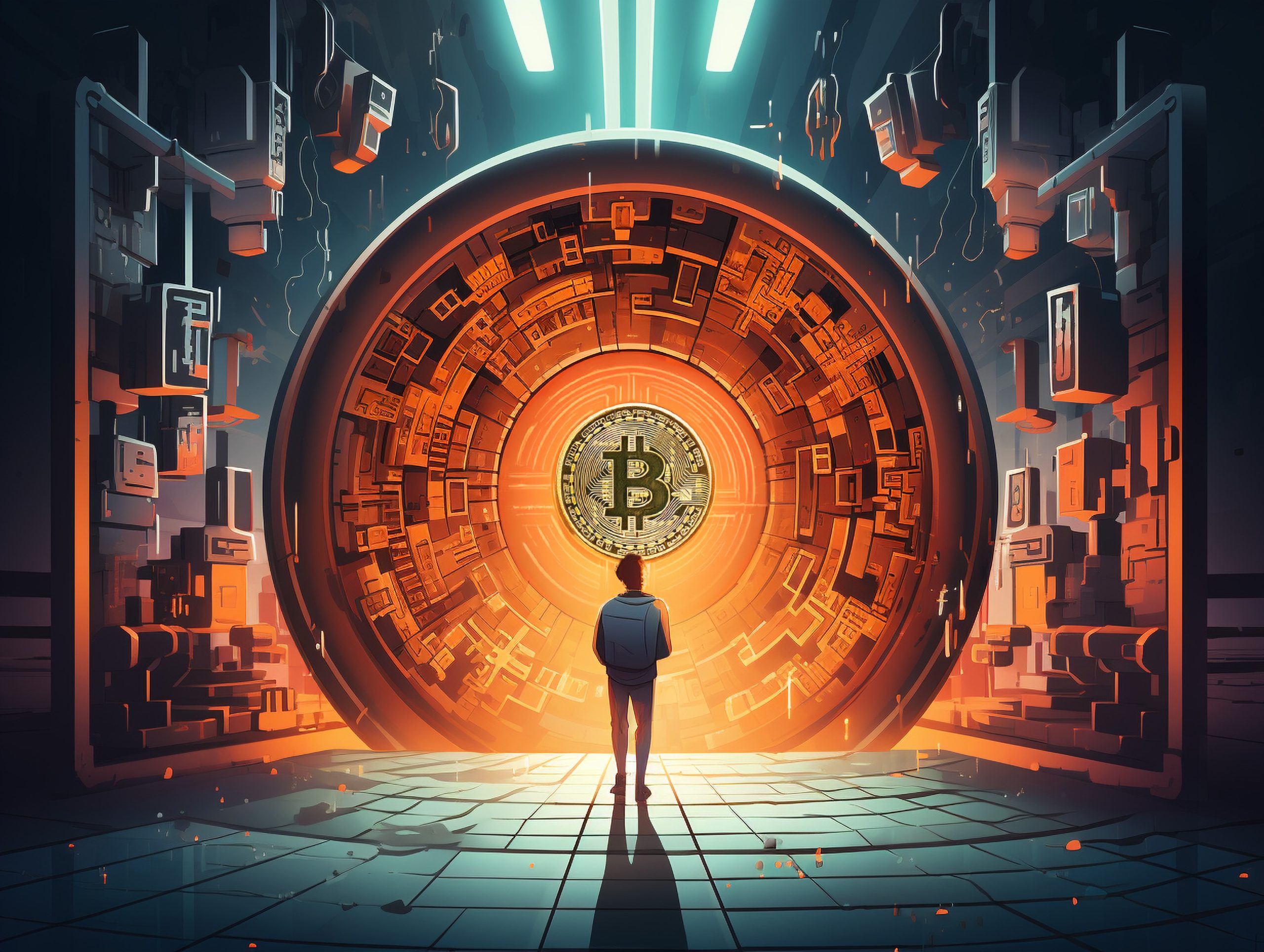
Real-world asset (RWA) tokenization has become one of the fastest-growing applications of blockchain technology in 2026. By converting physical and traditional financial assets into blockchain-based digital tokens, businesses and investors can unlock greater liquidity, improve transparency, reduce settlement times, and enable fractional ownership on a global scale. From real estate and private credit to commodities, investment funds, and fine art, tokenization is reshaping how assets are issued, managed, and traded.
As institutional adoption accelerates and blockchain infrastructure continues to mature, tokenized assets are becoming an important part of the digital economy. Smart contracts automate ownership transfers, compliance processes, and revenue distribution while reducing reliance on intermediaries. However, securing tokenized ecosystems remains essential, making smart contract audits, continuous monitoring, and blockchain security critical components of every successful tokenization project.
This guide explores the leading use cases of real-world asset tokenization, the benefits driving enterprise adoption, and how SecureDApp’s security solutions, including Securewatch, Solidity Shield, and Audit Express, help organizations build secure, compliant, and scalable tokenized asset platforms.
What Is Real-World Asset Tokenization
Real-world asset tokenization refers to the process of representing ownership or value of real, tangible assets as digital tokens on a blockchain. These tokens can be transferred, traded, or fractionalized, which allows investors to access markets that were previously limited or restricted.
In addition, tokenization uses smart contracts to automate ownership verification, revenue distribution, and compliance. This reduces the need for intermediaries and increases efficiency, liquidity, and transparency across all transactions.
Top Use Cases of Real-World Asset Tokenization
1. Real Estate
Real estate is one of the most impactful areas for tokenization. Traditionally, real estate investments require high capital and involve many intermediaries. However, tokenization simplifies this by offering:
- Fractional Ownership: Investors can purchase a share of a property instead of buying the whole asset.
- Increased Liquidity: Tokenized real estate can trade on secondary markets, making assets more liquid.
- Global Participation: International investors can access real estate opportunities without geographic barriers.
- Automated Revenue Distribution: Smart contracts automatically distribute rental income and gains to token holders.
SecureDApp enhances this ecosystem. Securewatch delivers real-time monitoring of smart contracts, while Audit Express ensures that tokenized real estate platforms remain secure and compliant.
2. Fine Art and Collectibles
Tokenization has modernized the fine art and collectibles market. As a result, investors benefit from:
- Democratized Access: People can invest in high-value art without needing large capital.
- Proof of Authenticity: Blockchain records verify provenance and ownership.
- Improved Liquidity: Art tokens trade easily on digital marketplaces.
To support this sector, SecureDApp’s Solidity Shield protects smart contracts from vulnerabilities, reducing risk and preventing unauthorized access.
3. Supply Chain and Logistics
Tokenization also improves transparency and traceability in supply chains. Key advantages include:
- Real-Time Tracking: Companies can monitor goods throughout the supply chain.
- Smart Contract Automation: Payments and transactions happen automatically, reducing errors.
- Verified Ownership and Provenance: Blockchain creates a clear record of each product’s journey.
Securewatch ensures that all smart contracts linked to supply chain tokenization remain secure and tamper-proof.
4. Financial Assets and Securities
Financial institutions increasingly turn to tokenization to modernize traditional instruments. This shift offers:
- Faster Settlements: Blockchain eliminates delays caused by intermediaries.
- Fractional Ownership: Investors can buy smaller portions of bonds, stocks, or funds.
- Enhanced Transparency: Immutable records reduce fraud and build trust.
SecureDApp’s Audit Express supports financial institutions by detecting vulnerabilities and ensuring regulatory compliance.
5. Commodities (Gold, Oil, Agriculture
Commodity tokenization has opened new avenues for investors. Major benefits include:
- Easy Transferability: Assets move digitally without physical transportation.
- Higher Liquidity: Fractional tokens allow small-scale investments in high-value commodities.
- Better Transparency: Blockchain ensures clear ownership and transaction history.
To maintain security, Solidity Shield protects smart contracts associated with commodity tokenization.
The Future of Real-World Asset Tokenization
The adoption of tokenized RWAs continues to accelerate as industries recognize blockchain’s advantages. Even though challenges like regulations, security risks, and market awareness exist, organizations are actively working to overcome them.
How SecureDApp Strengthens RWA Tokenization Security
SecureDApp provides advanced solutions designed specifically for tokenized assets:
- Securewatch: Detects anomalies, prevents unauthorized access, and monitors smart contract activity.
- Solidity Shield: Safeguards smart contracts from exploits and vulnerabilities.
- Audit Express: Delivers detailed audits that ensure compliance and prevent financial losses.
Together, these products offer a comprehensive defense system for businesses entering the tokenized asset space.
Conclusion
Real-world asset tokenization is reshaping global markets by making investments more accessible, efficient, and transparent. From real estate and fine art to supply chains, commodities, and financial instruments, blockchain technology is opening new economic opportunities. Yet, as adoption grows, security becomes even more critical.
SecureDApp’s Securewatch, Solidity Shield, and Audit Express empower businesses to build safe and trustworthy tokenized ecosystems. With continuous innovation and supportive regulations, tokenized RWAs will soon become a core foundation of the global digital economy.
FAQs
1. What is real-world asset (RWA) tokenization?
Real-world asset (RWA) tokenization is the process of representing ownership of physical or traditional financial assets as digital tokens on a blockchain. These assets may include real estate, commodities, private equity, bonds, artwork, and investment funds, allowing them to be traded more efficiently while improving transparency and accessibility.
2. What are the benefits of tokenizing real-world assets?
Tokenization offers several advantages, including fractional ownership, improved liquidity, faster settlements, lower transaction costs, enhanced transparency, automated smart contract execution, and greater access to global investment opportunities.
3. Which industries are adopting RWA tokenization in 2026?
Real-world asset tokenization is expanding across multiple sectors, including real estate, financial services, commodities, private credit, investment funds, supply chain management, luxury assets, fine art, renewable energy, and infrastructure projects as organizations seek more efficient ways to manage and transfer ownership.
4. Why is security important for tokenized assets?
Since tokenized assets rely on smart contracts and blockchain infrastructure, vulnerabilities can expose investors and organizations to financial losses. Security measures such as smart contract audits, continuous monitoring, vulnerability assessments, and compliance reviews help protect tokenized ecosystems from cyber threats and operational risks.
5. What is the future of real-world asset tokenization?
The future of RWA tokenization is expected to include broader institutional adoption, increased tokenization of treasury products and private markets, improved cross-chain interoperability, AI-powered compliance automation, and stronger regulatory frameworks that support secure and scalable digital asset ecosystems.