
Introduction to Blockchain Technology
Modern supply chains are becoming increasingly complex as businesses manage global sourcing, manufacturing, logistics, and customer expectations. In 2026, blockchain technology has emerged as a powerful solution for improving supply chain transparency, traceability, and operational efficiency. By creating a secure and tamper-resistant digital ledger, blockchain enables organizations to track products in real time, verify transactions, and build greater trust among suppliers, manufacturers, distributors, and consumers.
When combined with technologies such as the Internet of Things (IoT), artificial intelligence (AI), and smart contracts, blockchain helps automate workflows, reduce fraud, improve inventory management, and enhance compliance with evolving regulations. From food safety and pharmaceuticals to retail and manufacturing, businesses are increasingly adopting blockchain to create more resilient, data-driven, and transparent supply chains.
This guide explores how blockchain technology is transforming supply chain management, its key benefits, implementation challenges, real-world applications, and the future trends shaping the next generation of global supply chains.
Evolution of Supply Chain Management
Traditionally, supply chain management focused on sourcing, production, and distribution. However, these models often lacked transparency and real-time tracking, which led to frequent delays and inefficiencies.
Common challenges in conventional supply chains include:
- Limited Transparency: Difficulty tracking products from origin to destination.
- Counterfeit Goods: Vulnerability to fake items entering the supply chain.
- Data Silos: Fragmented systems that prevent complete, end-to-end visibility.
Because of these issues, businesses struggle to optimize operations. Therefore, enhancing transparency, reducing fraud, and removing data silos are essential for improving supply chain efficiency and customer satisfaction.
Integration of Blockchain in Supply Chains
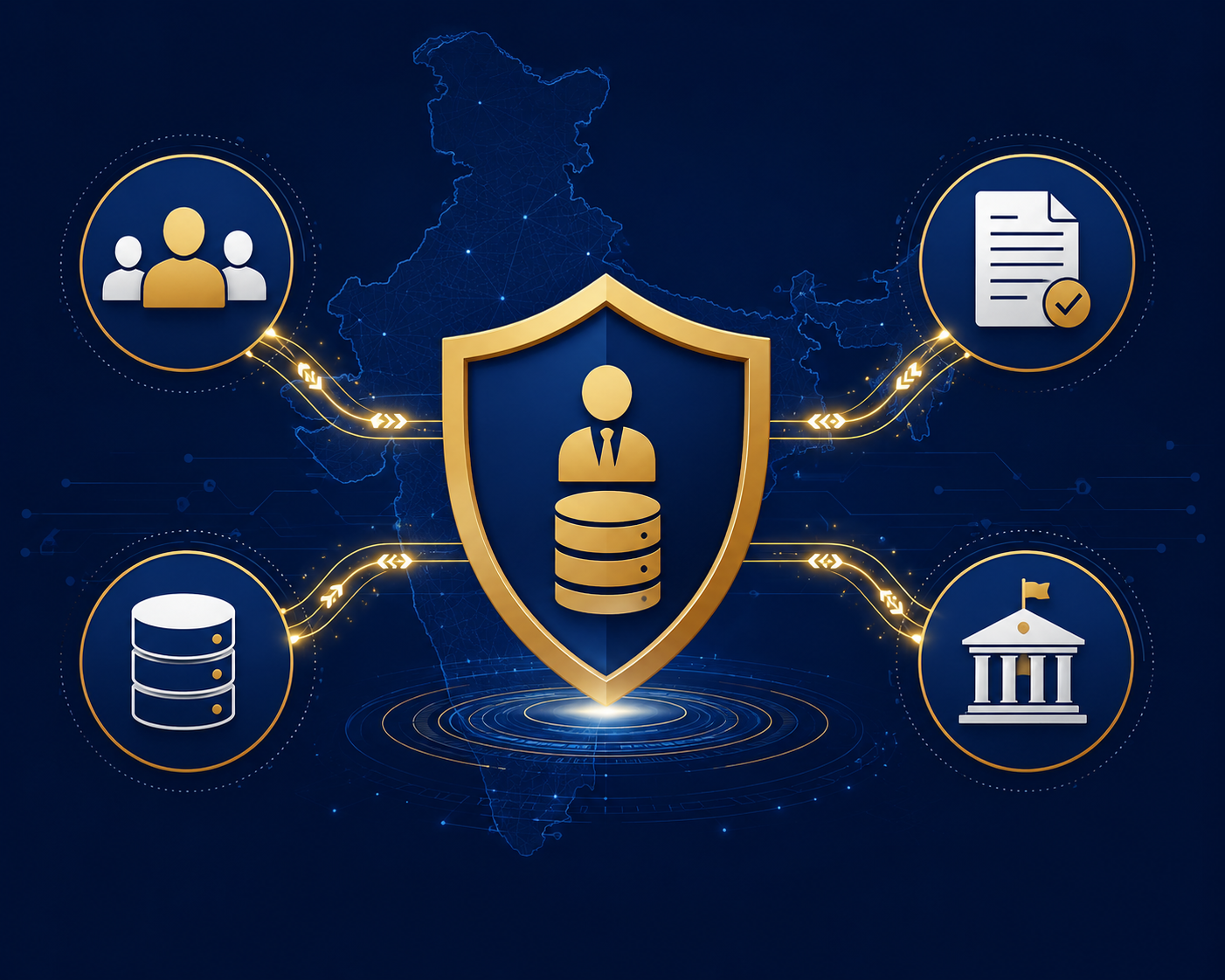
Blockchain significantly improves transparency and traceability by securely recording transactions in an immutable ledger. Each block stores timestamps, transaction details, and participant identities, ensuring a verifiable history as the product moves through the supply chain.
Key blockchain advantages include:
- Provenance Tracking: Ability to trace a product’s entire journey.
- Secure Data Sharing: Encrypted and tamper-proof transactions.
- Real-Time Visibility: Instant updates on product location and condition.
By adopting blockchain, companies can redesign their operations to enhance accountability, safety, and efficiency throughout the value chain.
Benefits of Blockchain Technology in Supply Chain Management
Blockchain makes it easier to track and verify every transaction. It improves visibility, strengthens authentication, and reduces fraud. As a result, stakeholders gain more confidence in the system, leading to better collaboration and reduced unethical activity.
Challenges and Barriers to Adoption
Despite its advantages, blockchain adoption faces several barriers:
- Regulatory and Compliance Issues: Different regions follow different data-privacy and security rules, making implementation complex.
- Integration with Legacy Systems: Older systems lack interoperability, and migrating large datasets can be difficult and expensive.
These challenges must be addressed to enable wider use of blockchain-based solutions.
Case Studies of Successful Implementation
Several real-world implementations highlight the value of blockchain in supply chain management. For example:
- IBM Food Trust improves transparency and traceability across global food supply chains.
- Maersk’s TradeLens streamlines global trade by digitizing and securing documentation using blockchain.
These cases show that strong collaboration among stakeholders is essential for accuracy, transparency, and trust. Organizations can learn from these models to achieve better results in future blockchain projects.
Future Trends and Opportunities
The future of supply chain management lies in combining blockchain with advanced technologies such as IoT and AI. Together, they improve visibility, streamline operations, and enable predictive analytics for smarter decision-making.
Emerging trends include:
- Automation through Smart Contracts: Reduces manual work and accelerates processes.
- Asset Tokenization: Enables fractional ownership and opens new investment opportunities.
- Enhanced Encryption: Strengthens data protection and prevents unauthorized access.
- Decentralized Autonomous Organizations (DAOs): Encourage transparent, community-driven governance models.
These innovations pave the way for more resilient and intelligent supply chains.
Conclusion and Recommendations
In conclusion, blockchain creates new opportunities for supply chains to become more transparent, efficient, and trustworthy. However, organizations must overcome integration and regulatory challenges to unlock its full potential.
Businesses planning to adopt blockchain should:
- Conduct a detailed feasibility study.
- Consult domain experts.
- Build ecosystem partnerships.
- Prioritize data security and privacy.
- Stay updated on regulatory developments.
With careful planning and collaboration, blockchain can significantly transform modern supply chain systems.
FAQs
1. How does blockchain improve supply chain transparency?
Blockchain records every transaction in a shared, tamper-resistant ledger, allowing all authorized participants to view the movement of goods from production to delivery. This improves traceability, reduces fraud, and helps businesses quickly identify issues such as product recalls or counterfeit goods.
2. Which industries benefit the most from blockchain-based supply chains?
Industries including food and agriculture, pharmaceuticals, manufacturing, retail, automotive, logistics, and luxury goods benefit significantly from blockchain technology. These sectors rely on accurate product tracking, regulatory compliance, and supply chain transparency to improve operational efficiency and customer trust.
3. Can blockchain work with AI and IoT in supply chain management?
Yes. Blockchain works effectively alongside AI and IoT technologies. IoT devices collect real-time data such as product location, temperature, and condition, while blockchain securely records that information. AI analyzes the data to optimize logistics, forecast demand, detect anomalies, and automate operational decisions.
4. What are the biggest challenges of implementing blockchain in supply chains?
Organizations often face challenges such as integrating blockchain with legacy systems, ensuring interoperability between different platforms, meeting regulatory requirements, managing implementation costs, and encouraging collaboration among multiple supply chain partners.
5. What are the future trends in blockchain supply chain management for 2026?
Key trends include AI-powered supply chain automation, digital product passports, Real-World Asset (RWA) tokenization, sustainable supply chain tracking, carbon emissions monitoring, enhanced cross-border trade solutions, and wider adoption of smart contracts for automated logistics and compliance.