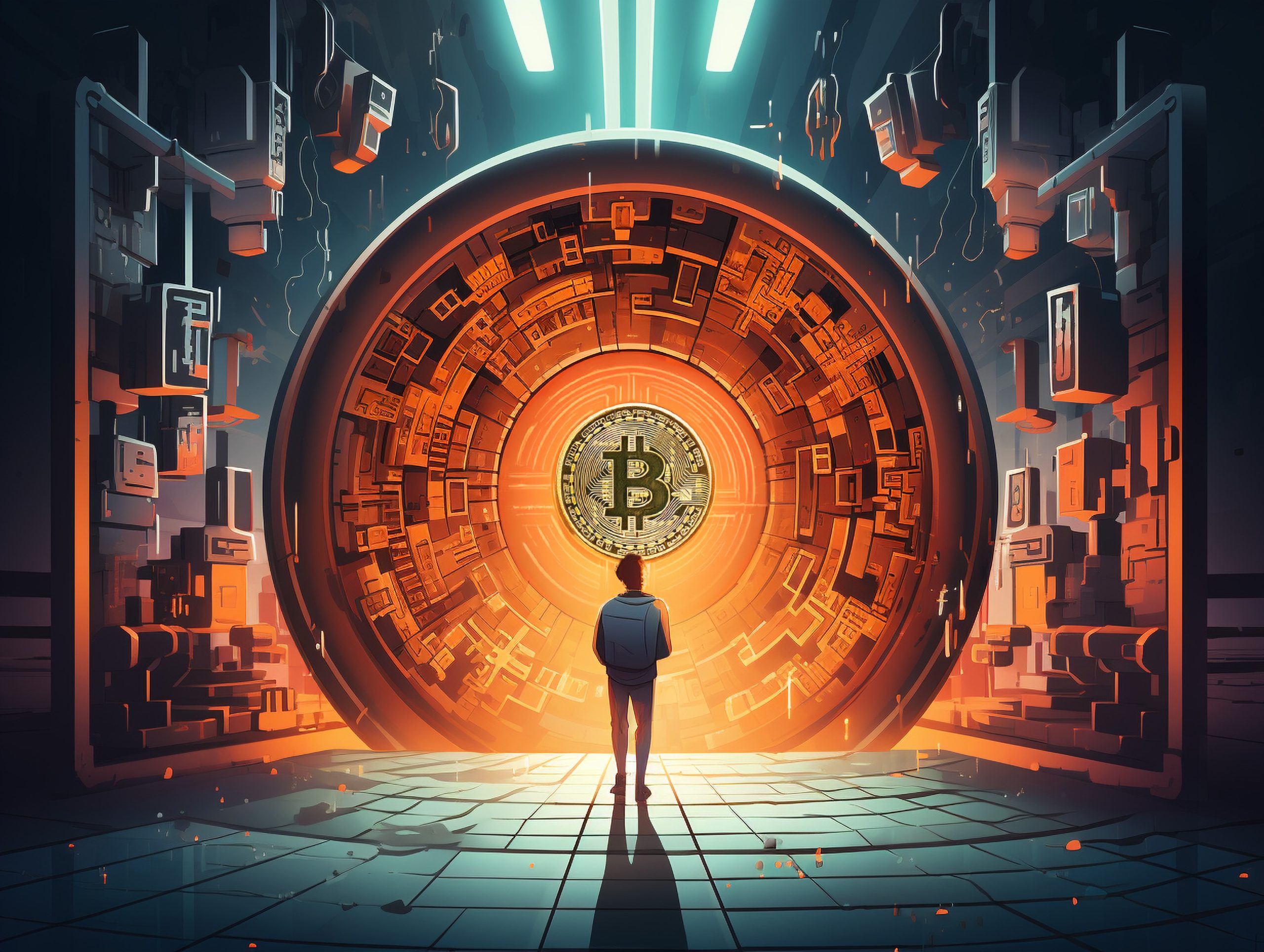

Blockchain technology has evolved far beyond its origins as the foundation of Bitcoin. In 2026, it powers decentralized finance (DeFi), smart contracts, tokenized real-world assets (RWAs), digital identity solutions, and enterprise applications across industries. Organizations worldwide are leveraging blockchain to improve transparency, automate business processes, reduce operational costs, and strengthen security through decentralized systems.
At the heart of this transformation are three key innovations: blockchain, which provides a secure and transparent digital ledger; smart contracts, which automate agreements without intermediaries; and tokenization, which enables both digital and physical assets to be represented on blockchain networks. Together, these technologies are reshaping finance, healthcare, supply chains, real estate, gaming, and many other sectors.
Understanding how blockchain, smart contracts, and tokenization have evolved over time provides valuable insight into today’s Web3 ecosystem and the future of digital innovation. This timeline explores the major milestones that have transformed blockchain from an experimental technology into a foundational pillar of the global digital economy.
I. Blockchain: The Foundation
Bitcoin and the Blockchain (2008–2009)
Blockchain technology began in 2008 with Satoshi Nakamoto’s Bitcoin whitepaper. Bitcoin introduced a decentralized digital currency that used blockchain to record transactions securely. This eliminated the need for any central authority.
Early Adoption and Experimentation (2009–2013)
During the early years, Bitcoin attracted developers, researchers, and tech communities. As conversations grew, many began to explore blockchain’s potential beyond cryptocurrency. This period marked the first wave of experiments and open discussions.
The Rise of Altcoins and Blockchain 2.0 (2014–2016)
As Bitcoin gained popularity, several alternative cryptocurrencies emerged. Each one offered unique features and different use cases. Meanwhile, Blockchain 2.0 introduced decentralized applications (dApps) and smart contracts, expanding blockchain’s capabilities.
Mainstream Adoption and Regulatory Interest (2017–Present)
From 2017 onward, global interest surged. Governments, enterprises, and financial institutions started exploring blockchain solutions. Today, industries such as finance, supply chain, and healthcare use blockchain to improve transparency, efficiency, and trust.
II. Smart Contracts: Automating Agreements
The Concept of Smart Contracts (1994–2013)
The idea of smart contracts dates back to the 1990s, thanks to Nick Szabo. However, the concept remained theoretical for years. This changed with Ethereum’s arrival in 2013, which brought smart contracts to life.
Ethereum and the Rise of Contract Platforms (2013–2015)
Ethereum launched in 2015 with the first strong framework for building and executing smart contracts. Its programming language, Solidity, empowered developers to create decentralized applications with ease.
Expanding Use Cases and Growing Adoption (2016–Present)
Over time, smart contracts found applications in sectors such as DeFi, supply chain management, and real estate. Other platforms like Cardano, Tezos, and EOS also entered the space, offering different approaches to smart contract execution.
III. Tokenization: Digitizing Assets
The Emergence of Tokenization (2014–2016)
Tokenization began gaining traction with the rise of ICOs and the flexibility offered by Ethereum. It allowed companies to represent real-world assets as digital tokens on a blockchain.
Security Tokens and Regulated Tokenization (2017–2019)
As regulators reviewed ICO practices, a more compliant solution emerged: security token offerings (STOs). This shift enabled businesses to tokenize assets such as equities and real estate while staying aligned with regulations.
NFTs and Digital Ownership (2020–Present)
The introduction of NFTs changed digital ownership forever. Artists, collectors, and creators could now trade unique digital assets such as artwork and virtual real estate. As a result, NFTs became one of the fastest-growing segments of the blockchain ecosystem.
Tokenization in Real-World Assets and DeFi (2021–Present)
Recently, tokenization expanded into sectors such as commodities, carbon credits, and physical real estate. At the same time, DeFi platforms introduced tokenized financial instruments that support lending, borrowing, and yield generation.
IV. The Future: Challenges and Opportunities
Scalability and Performance
As adoption increases, blockchain networks face performance challenges. To address this, developers are introducing sharding, Layer-2 solutions, and improved consensus mechanisms. These innovations aim to reduce congestion and increase transaction speeds.
Interoperability and Cross-Chain Communication
With so many blockchain platforms emerging, seamless communication has become essential. Therefore, cross-chain bridges and interoperability protocols are being developed to connect different networks.
Regulatory Clarity and Compliance
Some countries have created clear regulatory frameworks, but many are still evaluating their approach. Achieving consistent global standards will play a crucial role in mass adoption and enterprise participation.
Sustainability and Energy Efficiency
The high energy consumption of Proof-of-Work systems has raised environmental concerns. As a result, the industry is shifting toward greener alternatives like Proof-of-Stake and renewable-powered blockchain networks.
Adoption Across Traditional Industries
As the technology matures, traditional sectors are beginning to adopt blockchain. Finance, healthcare, supply chain, and even government systems are exploring blockchain to increase transparency and operational efficiency.
Conclusion
Blockchain, smart contracts, and tokenization have grown from experimental ideas into real-world solutions. They continue to reshape industries, enhance digital ownership, and redefine how value moves across systems. Although challenges still exist, the future holds significant opportunities for innovation and global transformation.
FAQs
1. What is the relationship between blockchain, smart contracts, and tokenization?
Blockchain serves as the secure and decentralized infrastructure for recording transactions. Smart contracts are self-executing programs that run on blockchain networks, while tokenization uses blockchain to represent digital or real-world assets as transferable tokens. Together, these technologies enable secure, transparent, and automated digital ecosystems.
2. Why is tokenization becoming more important in 2026?
Tokenization has expanded beyond cryptocurrencies and NFTs to include real-world assets such as real estate, government bonds, commodities, carbon credits, and private equity. By improving liquidity, enabling fractional ownership, and streamlining asset transfers, tokenization is becoming a key driver of blockchain adoption across traditional industries.
3. How do smart contracts improve business operations?
Smart contracts automatically execute predefined agreements once specific conditions are met. This reduces manual processing, minimizes errors, lowers operational costs, and increases transparency. Industries including finance, insurance, healthcare, logistics, and supply chain management are increasingly adopting smart contracts to automate complex workflows.
4. Can blockchain be used without cryptocurrencies?
Yes. While blockchain was originally introduced through Bitcoin, many organizations now use blockchain technology without relying on cryptocurrencies. Enterprise blockchain solutions support applications such as supply chain tracking, digital identity verification, healthcare record management, document authentication, and secure data sharing.
5. What are the biggest trends shaping blockchain technology in 2026?
Some of the most significant blockchain trends in 2026 include Real-World Asset (RWA) tokenization, enterprise blockchain adoption, Layer-2 scaling solutions, cross-chain interoperability, decentralized identity, AI-powered blockchain applications, and the continued growth of decentralized finance (DeFi). These innovations are expanding blockchain’s role across both Web3 and traditional industries.