
Introduction
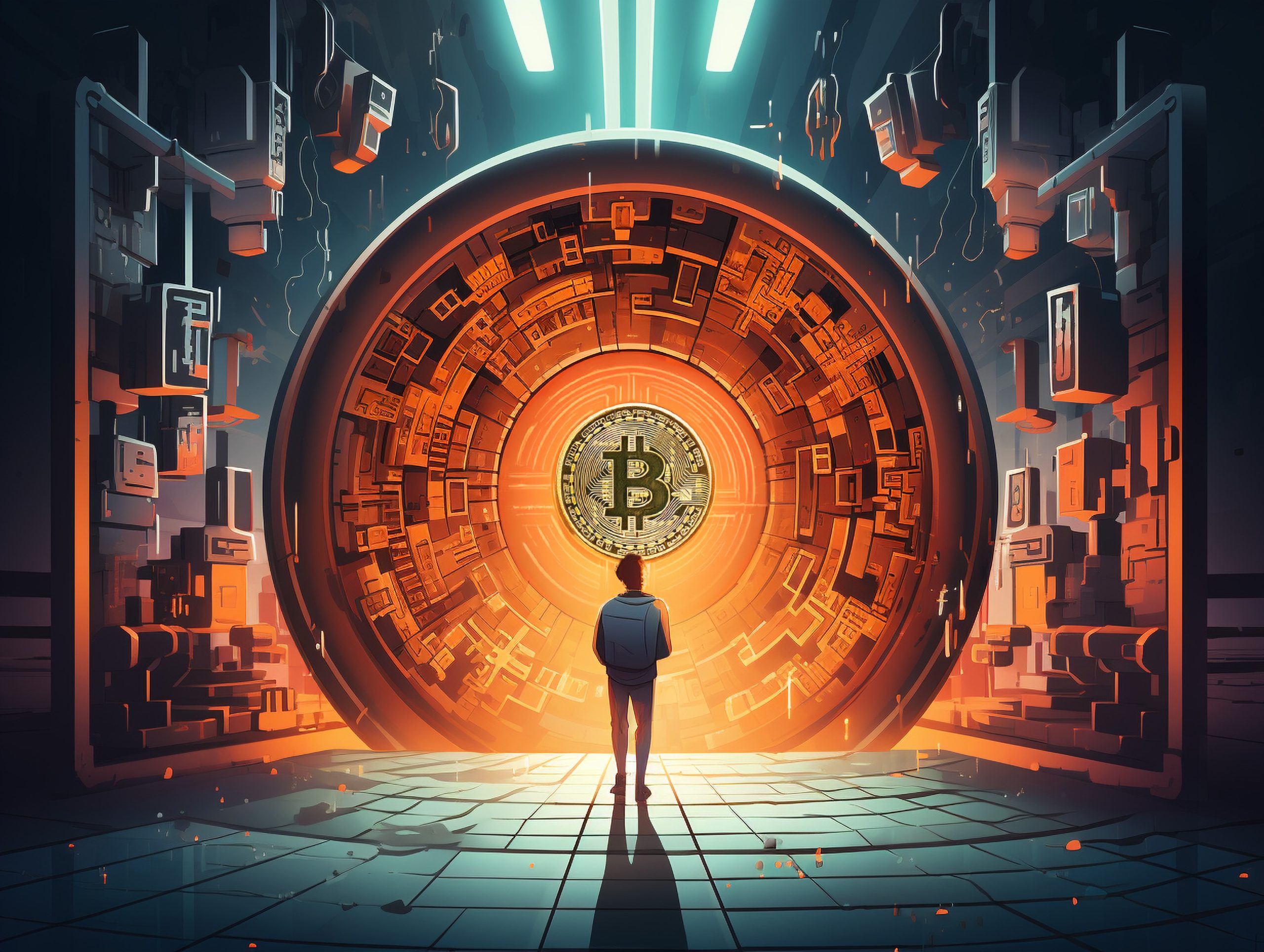
Fractional ownership is reshaping how people invest in high-value assets in 2026. While the concept has existed for decades in real estate, fine art, luxury collectibles, and private equity, blockchain technology has made it significantly more accessible, transparent, and efficient. Through tokenization, real-world assets (RWAs) can now be divided into digital tokens that represent fractional ownership, allowing investors worldwide to participate with much lower capital requirements.
As institutional adoption of tokenized assets accelerates and regulatory frameworks continue to mature, blockchain-powered fractional ownership is becoming a key driver of the digital asset economy. Smart contracts automate ownership transfers, revenue distribution, and governance, while blockchain ensures transparency and security throughout the asset lifecycle. Whether it’s real estate, commodities, intellectual property, or renewable energy projects, fractional ownership is opening new investment opportunities for both retail and institutional investors.
Understanding Fractional Ownership on Blockchain
Blockchain-based fractional ownership works by tokenizing physical assets. Each token represents a fraction of ownership and may include rights such as income sharing, appreciation, or usage based on the smart contract.
Key Features
Tokenization
Tokenization converts real assets into digital tokens. These tokens represent fractions of ownership and remain safely stored and traded on the blockchain.
Smart Contracts
Smart contracts automate processes such as revenue distribution, voting, and transfers. They reduce the need for middlemen and lower operational costs.
Decentralized Ledger
A blockchain ledger records every transaction. Because the ledger is immutable, it ensures transparency, security, and trust.
Interoperability
Tokenized assets can move across different blockchains. This cross-chain ability creates smoother transactions and a wider market.
Benefits of Fractional Ownership Using Blockchain
1. Lower Barriers to Entry
In traditional markets, buying assets like real estate or fine art requires large capital. Blockchain, however, allows users to invest with much smaller amounts. Instead of buying an entire building or painting, users simply buy tokens that represent fractions. As a result, wealth-building opportunities open up for everyday investors.
2. Enhanced Liquidity
Many markets, such as real estate or art, remain illiquid. Tokenized assets, however, can be traded on secondary markets at any time. This flexibility gives investors faster access to capital and supports more dynamic trading environments.
3. Transparency and Security
Blockchain records every transaction publicly and permanently. This prevents disputes and ensures a clear history of ownership. Additionally, smart contracts enforce rules automatically, which reduces manual work and lowers costs.
4. Automated Revenue Distribution
Smart contracts can distribute rental income, royalties, or dividends automatically. For example, a real estate token holder receives rental income directly in their wallet. Because the process is automated, payouts happen on time without human intervention.
5. Global Accessibility
Blockchain removes geographical restrictions. Investors from anywhere in the world can buy fractional tokens without facing cross-border payment issues. This wider reach increases the investor pool and boosts asset demand.
Use Cases of Blockchain-Based Fractional Ownership
1. Real Estate
Tokenizing property allows owners to offer small ownership shares globally. Investors earn returns through appreciation and rental income.
Example:
A $1 million apartment can be divided into 10,000 tokens worth $100 each. An investor with 500 tokens owns 5% of the property and receives proportional rental income.
2. Fine Art
The fine art market often lacks liquidity. Tokenization enables shared ownership and returns from appreciation or exhibitions.
Example:
A $10 million painting can be divided into 1 million tokens. Token holders gain value as the artwork appreciates or is displayed globally.
3. Luxury Goods
Tokenization supports shared ownership of items like yachts, luxury cars, or rare watches. Investors earn revenue from rentals or events.
4. Commodities
Gold, silver, and oil can be represented as digital tokens. Investors buy fractions without needing physical storage.
5. Intellectual Property Rights
Creators can tokenize music, films, or patents. Investors share future revenue while creators keep ownership and control.
Challenges and Regulatory Considerations
1. Legal Compliance
Countries follow different rules for tokenized assets. Businesses must follow AML, KYC, and securities laws, which makes global expansion complex.
2. Market Adoption
Many institutional investors move slowly due to unclear regulations and technical hurdles. Adoption will grow as governments create clearer rules.
3. Smart Contract Security
Smart contract bugs can lead to losses. Therefore, platforms must run strict audits and enforce strong security practices.
4. Valuation and Pricing Challenges
Rare or illiquid assets are hard to value. Transparent and consistent valuation methods are necessary to maintain investor confidence.
How SecureDApp Enhances Fractional Ownership
SecureDApp supports safe, compliant, and scalable fractional ownership platforms through its complete suite of tools.
1. Securewatch
Securewatch monitors transactions in real time and detects suspicious behavior. It helps maintain ownership integrity and prevents fraud.
2. Solidity Shield
Solidity Shield audits smart contracts and eliminates vulnerabilities. It ensures that contracts work as intended and meet industry security standards.
3. Audit Express
Audit Express delivers fast but reliable audits. It helps platforms stay compliant with global security norms while accelerating launch timelines.
4. Regulatory Compliance Framework
SecureDApp includes a global compliance framework. This helps platforms meet international regulations and expand safely across regions.
Conclusion
Blockchain-based fractional ownership is transforming how the world invests in real assets. It reduces investment barriers, increases liquidity, and automates revenue distribution. However, platforms must also address compliance, valuation, and smart contract security to unlock the full potential of this model.
SecureDApp plays a crucial role by offering real-time monitoring, advanced audits, and strong regulatory support. As blockchain adoption grows, fractional ownership will continue to unlock inclusive, secure, and efficient investment opportunities worldwide.
FAQs
1: What is blockchain-based fractional ownership?
Blockchain-based fractional ownership is the process of dividing a physical or financial asset into digital blockchain tokens. Each token represents a percentage of ownership, allowing multiple investors to own shares of assets such as real estate, artwork, gold, or intellectual property while benefiting from blockchain transparency and security.
2: Who can invest in blockchain-based fractional ownership?
Blockchain-based fractional ownership is designed to make investing more accessible to a wider audience. Depending on local regulations and the platform’s compliance requirements, retail investors, accredited investors, institutions, and even global participants can purchase fractional ownership in tokenized assets. Many platforms also integrate KYC/AML verification to ensure regulatory compliance while providing secure access to investment opportunities. As tokenization adoption grows in 2026, more investors are gaining access to asset classes that were once limited to high-net-worth individuals and large institutions.
3: Is blockchain fractional ownership secure?
Yes, provided the platform follows industry best practices. Security depends on audited smart contracts, secure custody of the underlying asset, multi-signature wallet protection, identity verification where required, and continuous on-chain monitoring. Independent smart contract audits and real-time threat detection significantly reduce security risks.
4: How does fractional ownership improve investment liquidity?
Traditional assets like real estate or artwork often take months to sell. Tokenization enables ownership shares to be traded on supported digital marketplaces, allowing investors to buy or sell fractional interests more efficiently and access liquidity without selling the entire asset.
5: What role does SecureDApp play in blockchain fractional ownership?
SecureDApp helps organizations build secure and compliant tokenization platforms through smart contract auditing, real-time blockchain monitoring, vulnerability assessments, compliance support, and continuous security testing. These solutions help protect tokenized assets while improving investor trust and regulatory readiness.