
Introduction
Artificial Intelligence is rapidly becoming a core component of Web3 infrastructure, enabling autonomous agents to monitor blockchain networks, execute smart contract operations, detect threats, and automate governance decisions. In 2026, AI agents are no longer limited to analytics; they actively participate in decentralized finance (DeFi), decentralized autonomous organizations (DAOs), digital identity systems, and blockchain security operations. While these intelligent agents significantly improve efficiency and real-time threat detection, they also introduce new attack surfaces that cybercriminals are increasingly targeting.
From prompt injection attacks and malicious data poisoning to unauthorized agent behavior and compromised decision-making, securing AI-powered Web3 applications has become a top priority for blockchain developers and enterprises. This guide explores how AI agents function in decentralized ecosystems, the opportunities they create, the security risks they introduce, and the best practices organizations can adopt to build resilient, AI-powered Web3 infrastructure.
Understanding AI Agents in Web3 Security
What Are AI Agents in Web3 Security?
AI agents are autonomous software programs powered by LLMs or machine-learning models. They can execute tasks such as trade execution, on-chain data analysis, and protocol governance. Most importantly, they work with little or no human oversight.
How AI Agents Function in Decentralized Environments
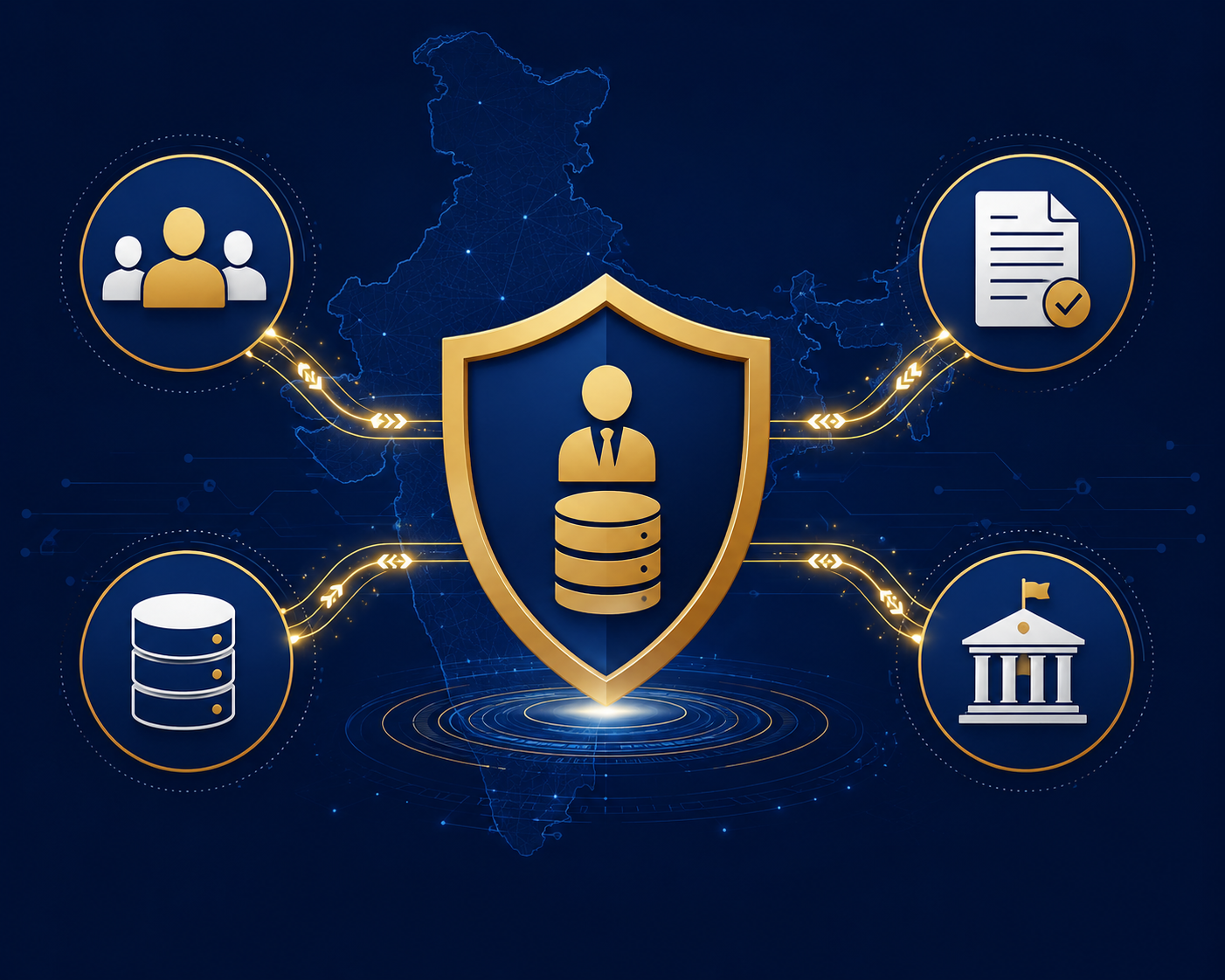
In Web3, AI agents interact with smart contracts, oracles, and decentralized identity (DID) systems. They collect data through secure APIs and trigger transactions based on predefined rules. As a result, they can quickly respond to anomalies like flash-loan attacks while still preserving blockchain transparency and immutability.
Opportunities Offered by AI Agents in Web3 Security
Enhanced Threat Detection and Response
AI agents can continuously monitor transaction patterns and smart contract call stacks. Because of this, they quickly detect abnormal behavior. For example, SecureWatch from SecureDApp uses AI-driven analytics to flag suspicious actions and unauthorized access attempts. It can also trigger automated alerts or rollback actions.
Automated Compliance and Auditing
By combining AI agents with compliance frameworks, organizations can automate KYC checks, AML screenings, and audit trails. This reduces manual effort and speeds up regulatory reporting. Additionally, every automated decision is backed by cryptographic evidence.
Vulnerabilities of AI Agents in Web3 Security
Prompt Injection and Context Manipulation
One major risk is prompt injection. Attackers craft harmful inputs that override the agent’s logic. Princeton researchers even showed “fake memory” attacks, where agents were tricked into executing unauthorized transactions because their context windows were manipulated.
Data Poisoning and Memory Exploitation
Attackers may also target training data or feedback loops. By injecting corrupted information, they bias the model’s outputs. In one case, adversaries inserted malicious instructions into an agent’s memory store. As a result, the agent triggered unintended asset transfers and protocol violations. This highlights the need for immutable audit logs and secure retraining processes.
Unauthorized Access and Rogue Agents
Without strong identity and access controls, AI agents may operate with overly broad permissions. At RSA Conference 2026, experts warned that although 25% of organizations plan to launch autonomous AI pilots, most lack mature systems to treat these agents as credentialed identities. Consequently, the risk of data breaches and rogue-agent behavior increases.
Complex Attack Chains: Worms and Multi-Agent Threats
Researchers have even created autonomous “AI worms.” These worms spread through interconnected agents by exploiting weak prompt channels. Therefore, a single compromised agent can quickly trigger network-wide infections.
Mitigation Strategies and Best Practices
Secure Development and Continuous Monitoring
- Code Audits and Penetration Testing: Include “AI agent security” in all smart contract audits.
- Immutable Logging: Record all agent inputs, outputs, and decisions on an append-only ledger to support forensic reviews.
Identity and Access Management for AI Agents
- Credentialed Agent Identities: Assign each agent a unique DID and follow the principle of least privilege with verifiable credentials.
- Multi-Factor Approval Flows: Require human-in-the-loop checks or threshold-signature schemes before high-value operations.
Conclusion
As AI Agents become central to Web3 Security, organizations must balance automation with a strong security-first mindset. By adopting strict identity controls, secure development practices, and real-time monitoring tools such as SecureWatch and Solidity Shield, teams can safely use AI agents to strengthen decentralized systems. Meanwhile, they can significantly reduce exposure to new and emerging threats.
For additional guidance, explore OWASP’s Blockchain Security Guidelines and SecureDApp’s full suite of Web3 protection services.
Frequently Asked Questions
1. What are AI agents in Web3?
AI agents are autonomous software programs that use artificial intelligence to perform blockchain-related tasks such as monitoring transactions, analyzing on-chain data, executing smart contract interactions, managing digital identities, and supporting decentralized governance with minimal human intervention.
2. How do AI agents improve blockchain security?
AI agents continuously analyze blockchain activity to identify suspicious transactions, unusual wallet behavior, smart contract anomalies, phishing attempts, and emerging attack patterns. Their ability to respond in real time helps security teams detect threats earlier and automate incident response.
3. What are the biggest security risks associated with AI agents?
Common risks include prompt injection attacks, data poisoning, compromised training data, excessive permission levels, rogue autonomous agents, identity spoofing, and manipulation of AI decision-making processes. Without proper safeguards, these vulnerabilities can impact both smart contracts and decentralized applications.
4. How can organizations secure AI agents in Web3 ecosystems?
Organizations should implement strong identity and access management (IAM), decentralized identities (DIDs), least-privilege permissions, continuous smart contract auditing, immutable logging, human approval for high-risk actions, secure AI model governance, and real-time blockchain monitoring to minimize security risks.
5. How does SecureDApp help secure AI-powered Web3 applications?
SecureDApp helps organizations secure AI-enabled blockchain ecosystems through smart contract audits, AI-focused security assessments, continuous threat monitoring, vulnerability testing, blockchain analytics, and proactive security solutions. These services help identify potential weaknesses early and strengthen the overall resilience of AI-powered decentralized applications.